
How Far Should a Generator Be From Your House to Be Safe?
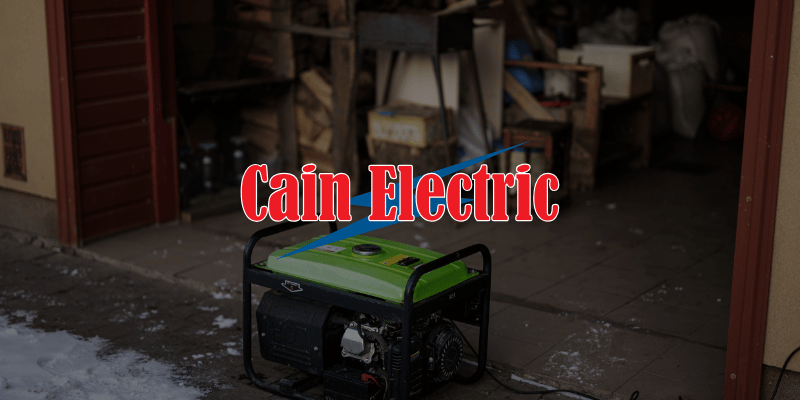
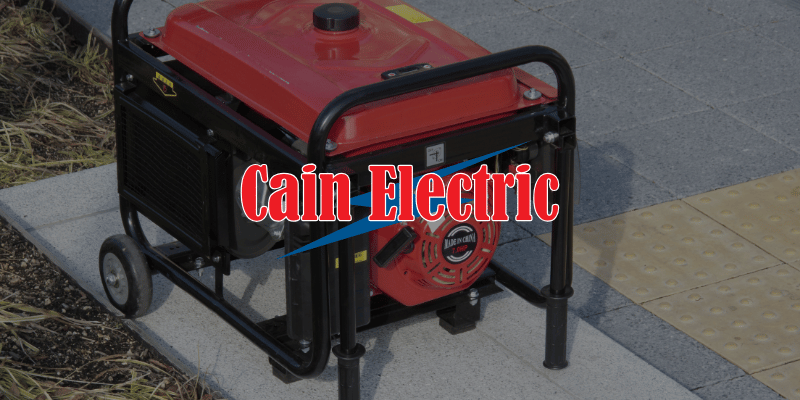
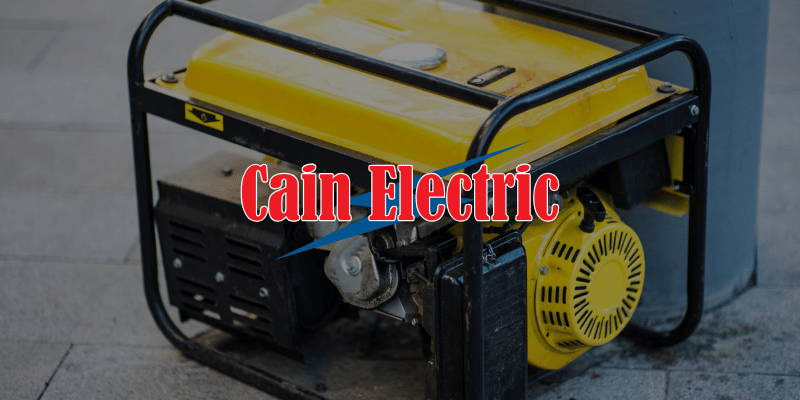
Short answer: at least 20 feet. The U.S. Consumer Product Safety Commission (CPSC) says to run a portable generator outside only, at least 20 feet from your house, with the exhaust pointed away from doors and windows. Never run one in a garage, basement, shed, porch or carport. A home standby generator has its own set distances from the maker.
Those rules come from the CPSC's winter weather safety tips. At Cain Electric in Gray Summit, we install whole-home backup generators for homes across the St. Louis area. Here's what to know before the next ice storm knocks out your power.
Why does a portable generator need to be 20 feet away?
A portable generator needs space because its exhaust is full of carbon monoxide (CO). CO is a gas you can't see or smell, and it can kill. The CPSC says one portable generator can make as much CO as hundreds of cars (CPSC Carbon Monoxide Information Center).
In the U.S., nearly 100 people die each year from CO made by portable generators, according to the CPSC's 2026 release.
Is it safe to run a generator in the garage with the door open?
No. A garage is never a safe spot, even with the big door wide open. The CPSC says opening doors or windows will not let out enough air to stop CO from building up. The gas can also seep from the garage into the house.
The same goes for these spots:
- Inside the house or basement
- In the garage, door open or shut
- In a shed or crawlspace
- On a porch or in a carport. The CPSC says these are too close to the home.
How do you set up a portable generator the safe way?
Set the generator outside, 20 feet or more from the house, with the exhaust facing away. Then follow these steps from the CPSC:
- Point the exhaust away from your home and from the doors of any other building.
- Close windows and vents that are near the generator or in the path of its exhaust.
- Put in CO alarms in your home. Linked alarms are best, so when one sounds, they all sound.
- Test your CO and smoke alarms once a month.
- Shop for a generator with a CO shut-off feature. It turns the engine off if CO builds up.
Never plug a portable generator into a wall outlet to power the house. That can send power back down the line to the street and hurt a lineman. A generator interlock kit or transfer switch is the safe way to hook one up.
How close can a whole-home standby generator be to the house?
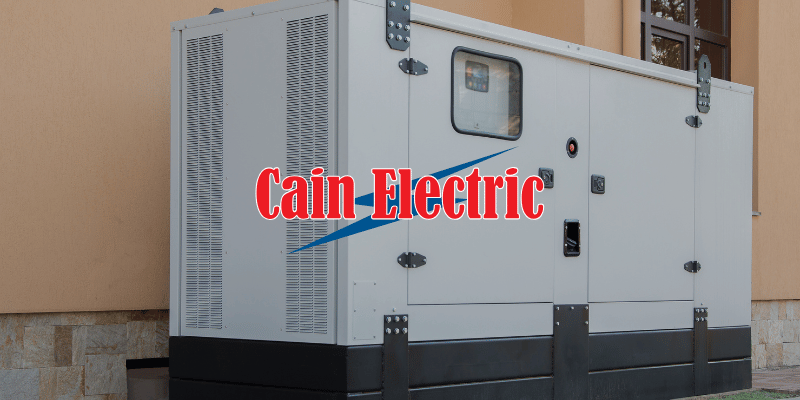
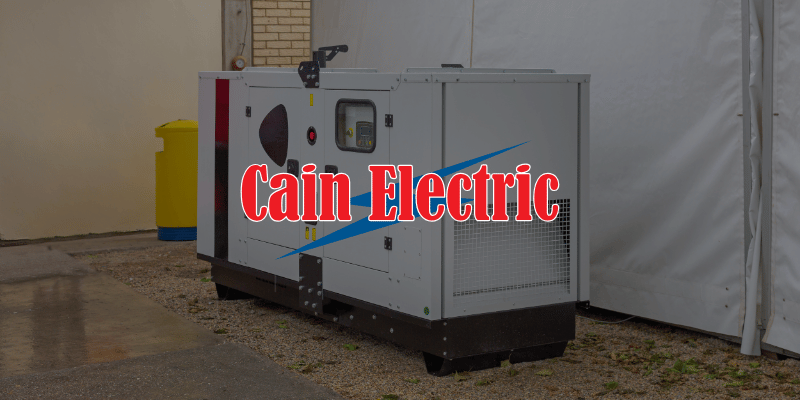
A home standby generator can sit much closer than a portable one, because it is built and tested for a set spot outside. Generac, one of the big standby generator makers, lists these clearances for its models marked with the SwRI test logo (Generac support):
| Space around a standby generator | Distance |
|---|---|
| Back of the unit to the house wall | 18 inches |
| From windows, doors, vents and window wells | 5 feet |
| Front and both ends (including bushes) | 3 feet |
| Open space above the unit | 5 feet |
Models without that logo need more room. Every maker's install guide is a little different, and your city or county code comes first. Generac also says a unit set at the code distance may still need to go farther out if CO could get inside.
That's why the spot matters. When we put in a standby generator, we pick the place based on the maker's guide, your local code, and where your windows, doors and vents are.
FAQ
Can I run a generator on my covered porch if it's open on the sides? No. The CPSC says a porch or carport is too close to the home. Keep it out in the open, at least 20 feet away.
Is 10 feet far enough for a portable generator? No. The CPSC's guide is at least 20 feet from the house, with the exhaust pointed away from doors and windows.
Do I need CO alarms if I have a standby generator? Yes. CO alarms are smart in any home that has a generator, even one that sits outside. Our post on how often to replace smoke detectors covers CO alarms too.
What's the difference between a portable and a standby generator? A portable one you roll out and start by hand. A standby one sits outside on a pad and turns on by itself when the power goes out. Our post on whole-home vs portable generators compares the two.
Tired of dragging out a generator in the cold?
A whole-home generator stays in one safe spot and comes on by itself when the power goes out. Cain Electric installs and services them in Gray Summit, Washington, Eureka, Chesterfield and across the St. Louis area. Learn more about our whole-home backup generators or call (314) 607-8687 for a free estimate.