Why Your Lights Dim When the AC Turns On in Summer
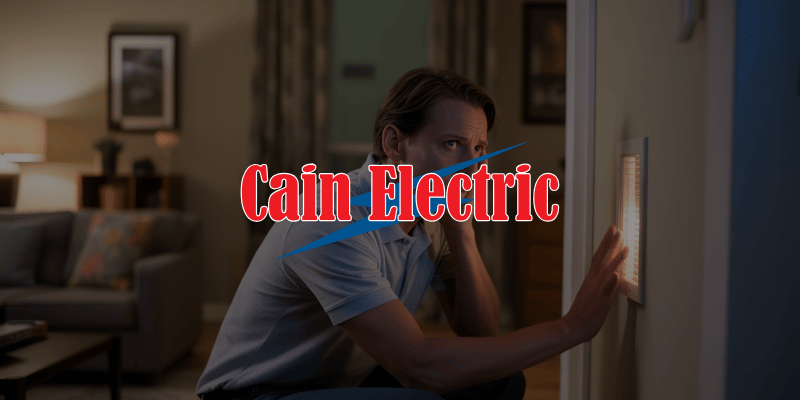
If your lights dim for a second when the air conditioner kicks on, you are not imagining it.
This is a common complaint in Missouri homes, especially once summer heat arrives and HVAC systems start cycling harder.
Sometimes a brief dip is normal.
Sometimes it is your electrical system warning you that something is undersized, aging, or loose.
The key is knowing the difference.
Why Lights Dim When the AC Starts
Your air conditioner draws a large amount of power at startup.
That startup demand is called inrush current.
For a brief moment, the system needs more electricity than it uses during normal operation. When that happens, lights on nearby circuits may dim slightly for a second.
In many homes, especially older ones, that short dip is more noticeable because the electrical system has less room for heavy loads.
When Slight Dimming Can Be Normal
A small, momentary dimming effect may be normal if:
- It lasts less than a second
- It only happens when a large motor starts
- It has not been getting worse over time
- There are no buzzing sounds, hot breakers, or tripped circuits
Even then, "normal" does not always mean "ideal."
If your home is older or already near its electrical limit, that quick dimming may still be a sign that your system would benefit from evaluation.
When It Is Not Normal
You should pay closer attention if:
- The lights dim heavily
- The dimming lasts more than a second or two
- Multiple rooms are affected every time
- Breakers trip during hot weather
- You hear buzzing at the panel or outdoor unit
- The problem has become more noticeable over the last season
Those symptoms can point to a larger issue than normal motor startup.
If you are seeing several of these warning signs, start with a professional residential electrical inspection:
https://www.cainelectricstl.com/residential-electrician/
Common Causes of Excessive Dimming
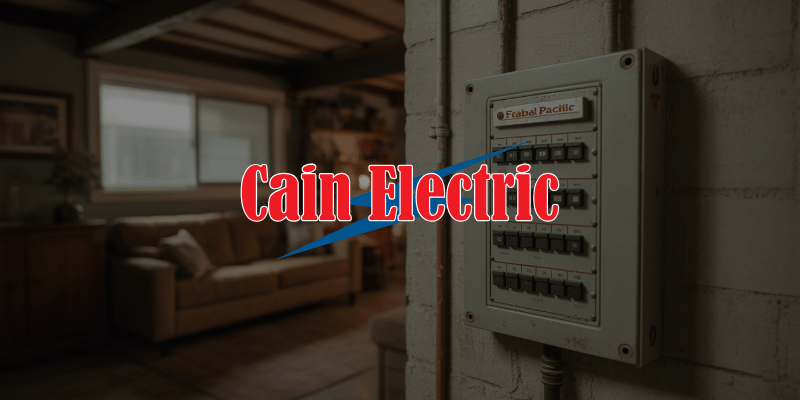
1. Your Electrical Panel Is Near Capacity
Many older homes in Missouri still operate with 100 amp service.
That may have been enough years ago, but modern homes often add:
- Larger AC equipment
- Updated kitchens
- Home offices
- Basement finishes
- EV chargers
When the panel is already carrying a heavy load, AC startup can expose that lack of capacity.
If your home is already showing other signs of strain, a panel evaluation may make sense:
https://www.cainelectricstl.com/blog/how-much-does-an-electrical-panel-upgrade-cost-in-missouri-what-franklin-county-homeowners-can-expect/
2. Loose or Aging Electrical Connections
Loose connections at the panel, meter base, disconnect, or even within branch circuits can cause noticeable voltage drop.
This is one issue you do not want to ignore.
Loose electrical connections can create heat, arcing, and long-term damage.
3. The AC Unit Is Working Too Hard
Sometimes the issue is not the house wiring. It is the air conditioner itself.
A struggling compressor, failing capacitor, or aging condenser can pull harder at startup than it should.
When that happens, the electrical system feels the strain.
An electrician and HVAC technician may both need to be involved if the source is not obvious.
4. Undersized Service or Circuit Infrastructure
In some homes, the service entrance, panel, or feeder setup simply is not ideal for current demand.
That does not always mean a full replacement is needed, but it does mean the system should be evaluated before the problem gets worse.
What Else to Watch For
If lights dim when the AC starts and you also notice:
- Flickering during microwave or dryer use
- Warm outlets or switches
- Breakers that trip on hot days
- Buzzing or crackling sounds
- Outdoor outlets acting strangely after storms
you may be dealing with a bigger electrical reliability issue.
Storm exposure can also weaken components over time:
https://www.cainelectricstl.com/storm-damage-repair/
Can This Damage Appliances?
Occasional slight dimming does not usually damage appliances by itself.
But repeated voltage drop, loose connections, or an overworked panel can contribute to wear on electronics and motors over time.
That matters more if your home already contains sensitive equipment such as:
- Variable-speed HVAC systems
- Home office electronics
- Smart appliances
- Network equipment
Whole-home surge protection can help protect against some electrical events, but it does not fix low capacity or bad connections.
What an Electrician Will Check
When Cain Electric evaluates this problem, the goal is to determine whether the dimming is within normal range or a sign of a system issue.
That may include checking:
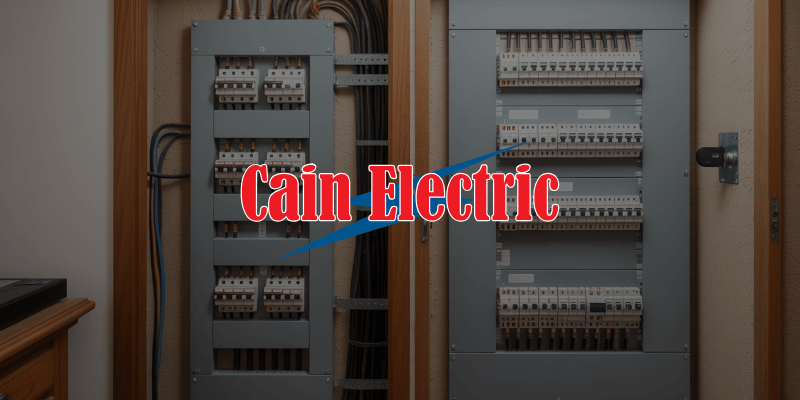
- Main panel condition
- Breaker sizing and labeling
- Service capacity
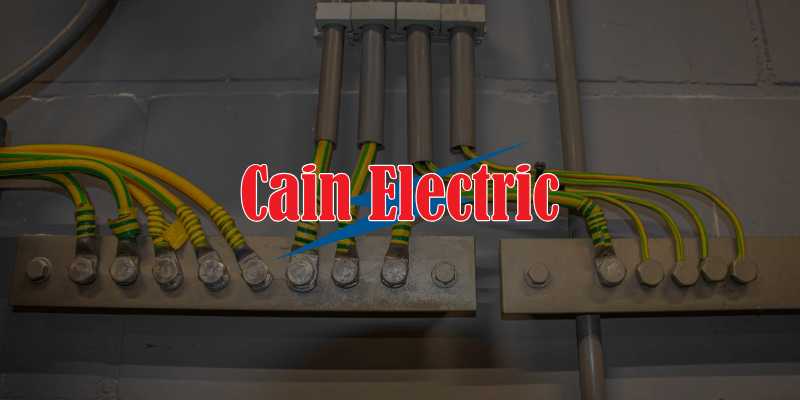
- Grounding and bonding
- Signs of heat or loose terminations
- General load on the system
If needed, we can also identify whether the AC startup behavior suggests an HVAC-side issue.
Do Not Wait for a Full Failure
Many homeowners put this off because the AC still runs.
That is understandable.
But electrical issues rarely improve on their own.
If the dimming is getting worse each summer, that trend matters.
The safest approach is to inspect the system before you end up with a failed breaker, damaged equipment, or a no-cooling call during the hottest week of the year.
When to Call Cain Electric
If your lights dim when the AC turns on and you are not sure whether it is normal, we can evaluate the panel, service, and visible electrical conditions to identify the cause.
Homeowners in Pacific, Eureka, Union, Gray Summit, and nearby Missouri communities can schedule an evaluation here:
https://www.cainelectricstl.com/contact/
Brief dimming may be harmless.
Persistent or worsening dimming deserves a closer look.