
How to Prepare Your Home's Electrical System for Finishing a Basement
Finishing a basement is one of the most common ways homeowners add usable space without changing the footprint of the house.
It is also one of the most common times electrical issues get discovered halfway through construction.
That usually happens because the basement design moved ahead before anyone looked closely at the panel, circuits, lighting plan, or future load.
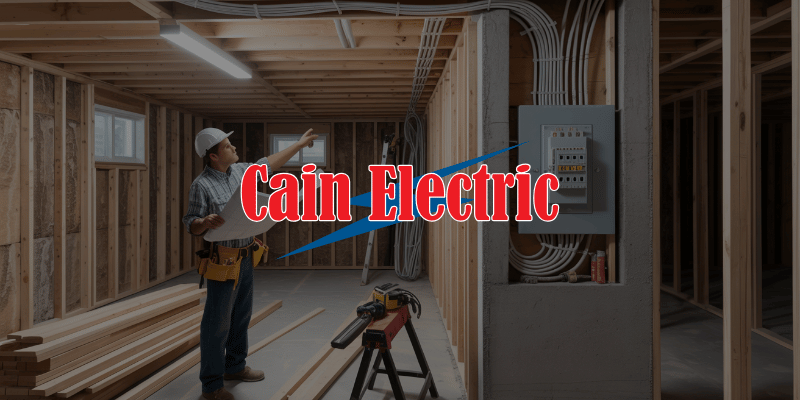
If you want the project to go smoothly, the electrical planning should happen before framing is complete and well before drywall.
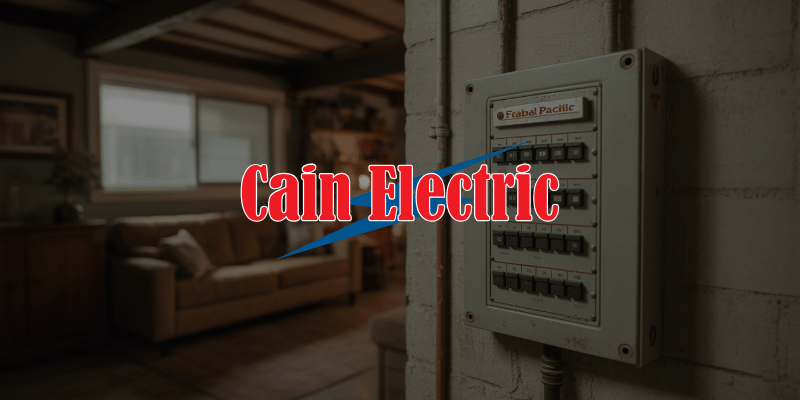
Start With the Main Panel
The first question is simple:
Can your existing panel support the basement you want to build?
A finished basement may add:
- General lighting
- Receptacle circuits
- Bathroom circuits
- Sump pump considerations
- Office or entertainment equipment
- Mini fridge or wet bar loads
- Space heaters or supplemental HVAC components
That is a meaningful increase in demand.
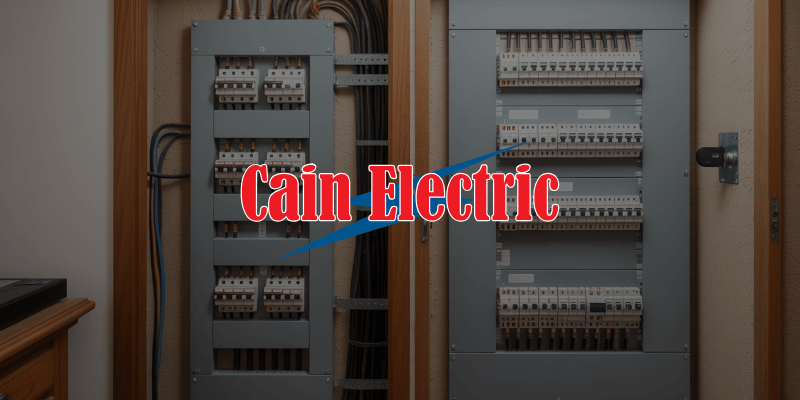
If your home already has a crowded panel or older 100 amp service, the basement project may be the moment when a broader upgrade becomes necessary:
https://www.cainelectricstl.com/blog/how-much-does-an-electrical-panel-upgrade-cost-in-missouri-what-franklin-county-homeowners-can-expect/
Think About How the Basement Will Actually Be Used
Not all finished basements need the same electrical layout.
A basement used as a TV room needs something different from one used as:
- A guest suite
- A home office
- A gym
- A kids' playroom
- A bar or entertaining space
The electrical plan should be based on the real use of the room, not just a generic layout.
Plan Circuits Early
One mistake homeowners make is assuming the basement can simply tie into whatever circuits are nearby.
Sometimes that works for limited loads.
Often it does not.
Depending on the design, you may need new circuits for:
- General receptacles
- Dedicated office or media equipment
- Bathroom loads
- Bar or kitchenette appliances
- HVAC or dehumidification equipment
Planning these circuits early avoids messy adjustments later.
Basement Bathrooms Need Special Attention
If the basement includes a bathroom, the electrical planning gets more specific.
That may involve:
- GFCI protection
- Dedicated loads for certain equipment
- Proper exhaust fan wiring
- Lighting and mirror planning
Bathrooms are small spaces, but they come with real electrical requirements and should not be treated as an afterthought.
Do Not Underestimate Lighting Design
Basements live or die by lighting.
Because natural light is often limited, a poor lighting plan can make a finished basement feel dark even when the construction itself is good.
A better basement plan usually considers:
- Recessed lighting placement
- Switch locations
- Stair lighting
- Accent or task lighting
- Zoning different activity areas
The electrical layout should support the room experience, not just provide the minimum number of fixtures.
Outlets Need to Match the Layout
Outlet planning should follow furniture layout and real use patterns.
Think about where you will actually need power for:
- TVs
- Routers
- Desks
- Lamps
- Treadmills or fitness equipment
- Charging devices
If you are guessing on outlet locations, you are probably not done planning yet.
Sump Pumps, Utility Areas, and Mechanical Equipment Still Matter
Even if most of the basement becomes living space, do not forget the unfinished or utility areas.
Many Missouri basements still need to account for:
- Sump pumps
- Water heaters
- Furnaces
- Laundry equipment
- Water treatment systems
Those systems affect circuit planning and access.
If your basement includes water-related equipment or a utility area redesign, broader home-system coordination may matter:
https://www.cainelectricstl.com/water-filter/
Future Projects Should Be Part of the Conversation
A basement finish rarely exists in isolation.
If you are also considering:
- A kitchen remodel
- A hot tub
- An EV charger
- Solar
- A generator
those projects should be mentioned during the basement electrical planning stage.
It is much smarter to plan for combined demand than to discover six months later that the panel is full again.
Common Basement Electrical Mistakes
We regularly see issues such as:
- Too few circuits
- Poor outlet placement
- Not enough lighting
- No planning for office or entertainment loads
- Ignoring panel capacity
- Treating the basement like a low-demand area when it is not
These mistakes create frustration after the remodel is already finished.
Why This Planning Should Happen Before Construction Gets Too Far
Electrical changes are easier, cleaner, and less expensive before the basement is fully built out.
Once framing, insulation, drywall, and finishes are in place, changes become more disruptive.
That is why the best time for the electrical conversation is at the beginning.
If your basement finish is moving from idea to actual project, Cain Electric can evaluate the panel, identify circuit needs, and help you plan the electrical side before construction gets boxed in.
Homeowners in Pacific, Eureka, Union, Gray Summit, and surrounding Missouri communities can contact us here:
https://www.cainelectricstl.com/contact/
The basement should feel like an intentional extension of the home.
That starts with an electrical plan built for how the space will really be used.