
Reverse Osmosis vs Whole-Home Water Filtration: Which One Solves the Right Problem?
Many homeowners start shopping for cleaner water before they know what kind of system actually fits the problem.
That is how people end up comparing reverse osmosis and whole-home water filtration as if they are interchangeable.
They are not.
Both can improve water quality, but they solve different problems and work at different scales.
The Basic Difference
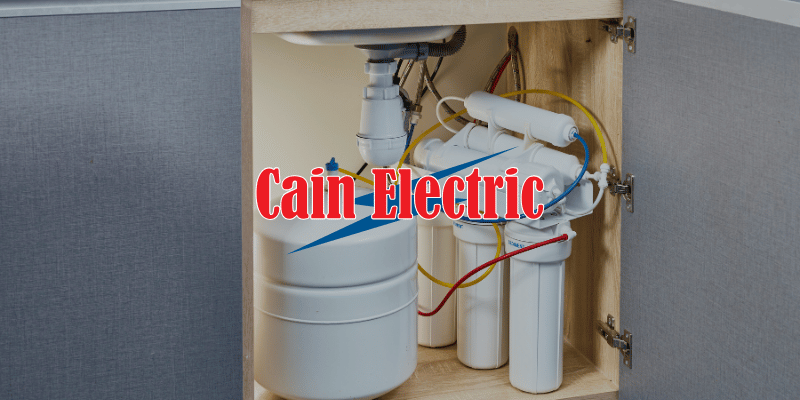
Reverse osmosis is usually a point-of-use system.
It is often installed at one sink and is mainly focused on improving drinking and cooking water at that location.
A whole-home water filtration system treats water as it enters the house, which means it can affect every tap, shower, and appliance in the home.
That is the big distinction:
- Reverse osmosis helps at a specific faucet
- Whole-home filtration helps throughout the house
If you are evaluating broader water quality solutions for the house, Cain Electric's service page is the best starting point:
https://www.cainelectricstl.com/water-filter/
When Reverse Osmosis Makes Sense
Reverse osmosis is often a strong fit when the main goal is better drinking water quality at one location.
Homeowners often choose it when they want to reduce concerns about:
- Taste and odor
- Certain dissolved contaminants
- Drinking water quality from a kitchen sink tap
It is usually a targeted solution, not a whole-house one.
That means your shower water, laundry water, and water feeding other fixtures are not being treated in the same way.
When Whole-Home Filtration Makes Sense
Whole-home filtration is the better conversation when the problem affects the house broadly.
That may include:
- Chlorine smell from multiple taps
- General water quality concerns throughout the home
- Sediment issues
- Hard water-related concerns when paired with the right equipment
- Protecting appliances and plumbing fixtures
A whole-home system is about what enters the house overall, not just what comes out of one kitchen faucet.
They Can Work Together
This is the part many homeowners miss.
You do not always need to choose one or the other.
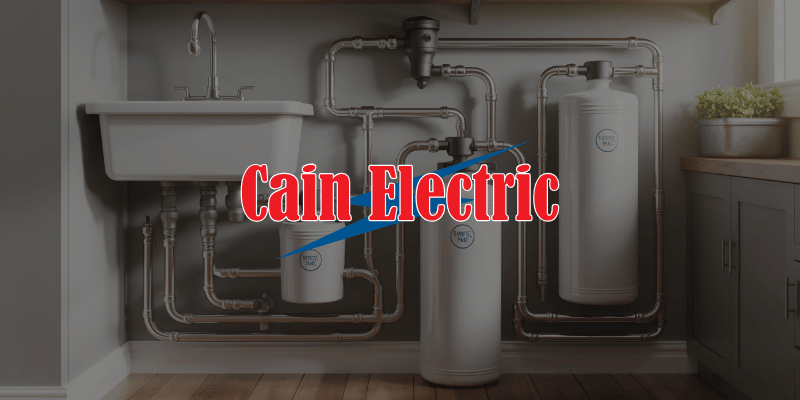
In some homes, the best setup is:
- Whole-home filtration for broader treatment
- Reverse osmosis at the kitchen sink for drinking water
That combination can make sense when homeowners want cleaner water throughout the home and an extra level of treatment at one primary point of use.
What Problem Are You Actually Trying to Solve?
Before comparing systems, ask:
- Is the issue mainly with drinking water taste or confidence?
- Is the concern present at every fixture in the house?
- Are you trying to protect appliances too?
- Are you dealing with visible sediment, odor, or general quality concerns?
The right system depends on the real problem, not the most popular label online.
Whole-Home Systems Affect More Than Drinking Water
If the concern includes bathing, laundry, appliance longevity, or water quality from every tap, reverse osmosis alone will not solve it.
That is where whole-home equipment has the advantage.
A properly selected whole-home system can support:
- Better water at showers and sinks
- Reduced exposure to certain unwanted substances throughout the home
- Less stress on some appliances and plumbing components
If you have already been researching common water quality issues, these related topics may help:
https://www.cainelectricstl.com/blog/how-to-remove-chlorine-and-lead-from-your-drinking-water/
https://www.cainelectricstl.com/blog/is-a-whole-house-water-filter-worth-it-top-benefits-for-homeowners/
Reverse Osmosis Has a Narrower Job
That narrower job is not a weakness.
It is just important to understand what you are buying.
Reverse osmosis is often chosen because homeowners want a dedicated drinking water solution.
If that is the actual goal, it can be a strong fit.
It becomes the wrong choice only when someone expects one under-sink system to solve every water concern in the house.
Installation and Maintenance Matter Too
No matter which route you choose, the system still needs to be:
- Sized correctly
- Installed correctly
- Maintained consistently
Filter changes, system performance, and overall configuration all affect how useful the equipment is over time.
That is another reason not to choose purely by product label or online advertising.
The Best Choice Depends on the House
There is no universal answer because different households prioritize different outcomes.
For one family, better kitchen drinking water is the main goal.
For another, the issue is broader and affects every faucet, shower, and appliance.
That is why an in-home conversation about the problem usually leads to a better recommendation than shopping from a generic checklist.
Which One Solves the Right Problem for You?
If your concern is focused on drinking water at one location, reverse osmosis may be enough.
If your concern involves water quality throughout the home, whole-home filtration is usually the better place to start.
And in some cases, the right answer is both.
Cain Electric helps homeowners in Pacific, Eureka, Union, Gray Summit, and surrounding Missouri communities choose water filtration solutions based on the problem they are actually trying to solve.
Schedule a consultation here:
https://www.cainelectricstl.com/contact/
The best water treatment system is not the one with the most marketing around it.
It is the one that matches the actual problem in your home.