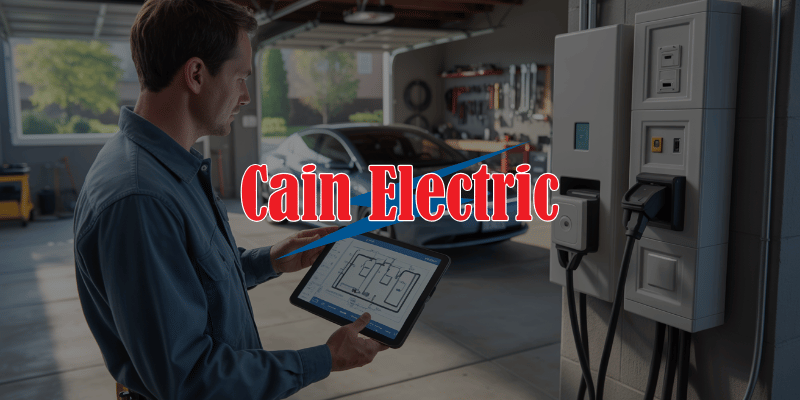
What Happens During an EV Charger Site Visit at Your Home?
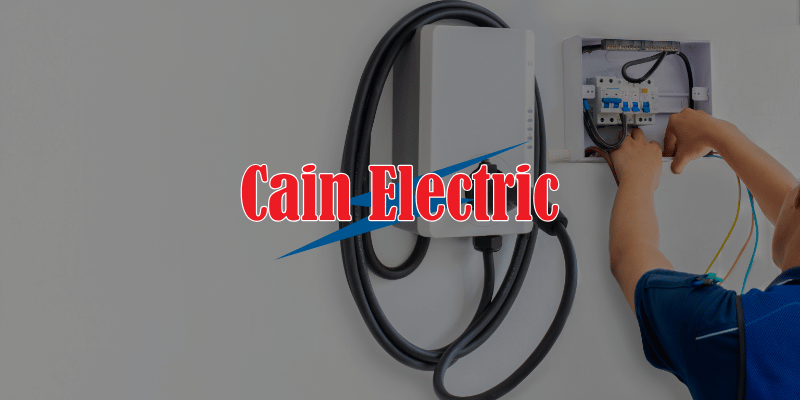
If you are thinking about installing a home EV charger, the site visit is where the project becomes real.
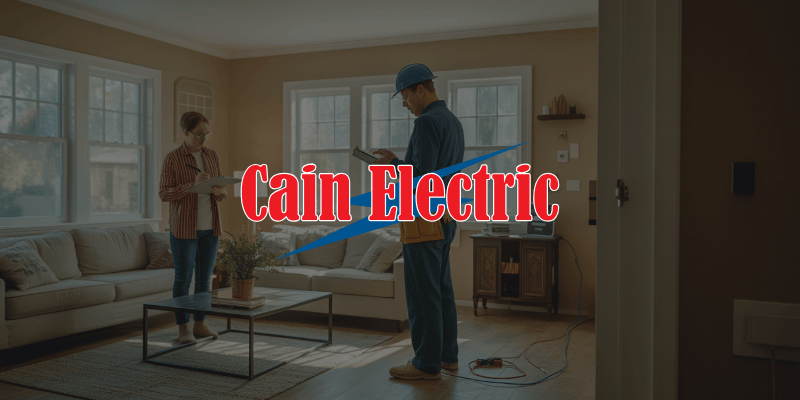
This is the step where a licensed electrician looks beyond the vehicle and charger brand and evaluates whether your home can support safe, code-compliant charging.
It is also where pricing becomes more accurate.
A proper site visit answers the questions that online estimates cannot.
Why the Site Visit Matters
Two homes can own the same EV and choose the same charger, yet have very different installation requirements.
That is because the cost and scope depend on things like:
- Panel capacity
- Breaker space
- Distance from panel to charger location
- Garage or exterior mounting conditions
- Permit requirements
- Existing wiring condition
The site visit is what turns guesswork into a real installation plan.
If you are still comparing home charging options, Cain Electric's EV charger service page is a good starting point:
https://www.cainelectricstl.com/electric-car-charger-installation/
Step One: Panel and Service Evaluation
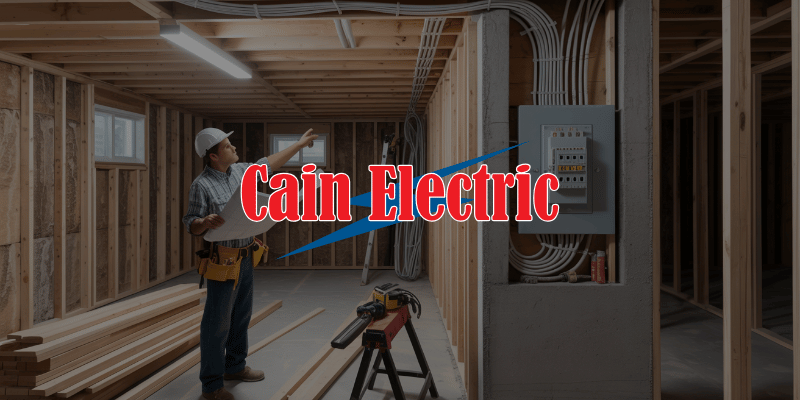
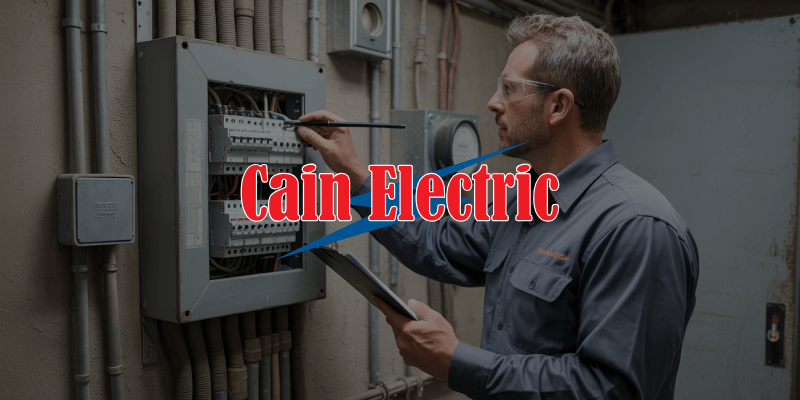
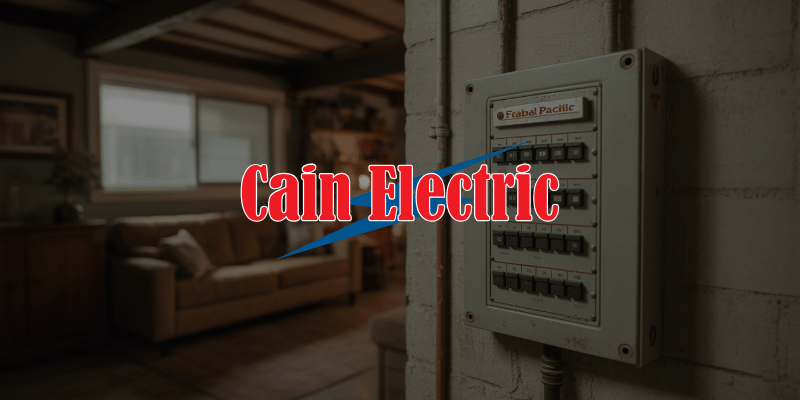
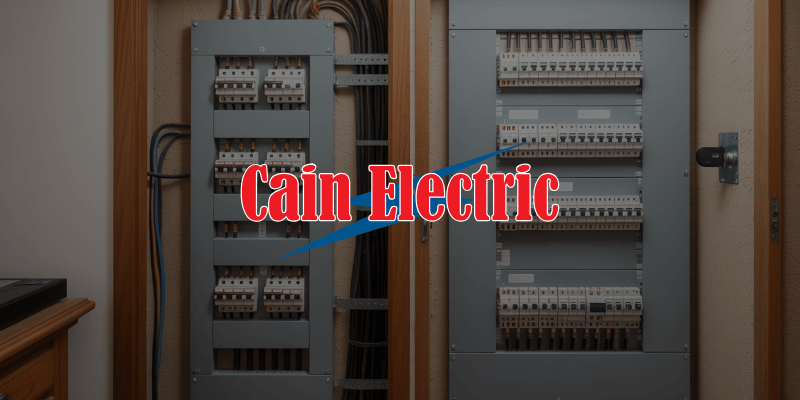
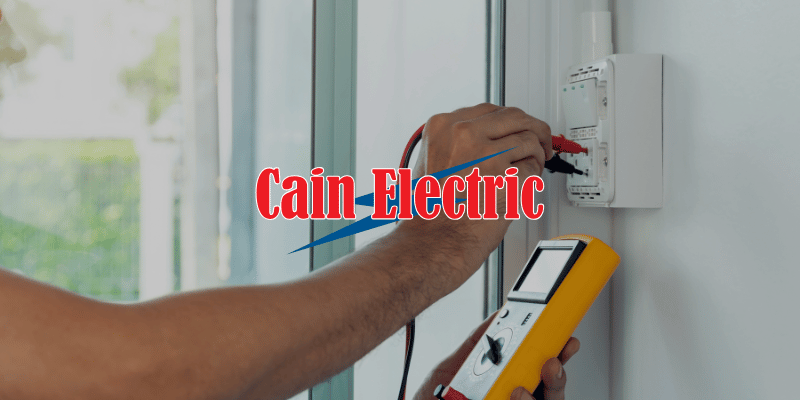
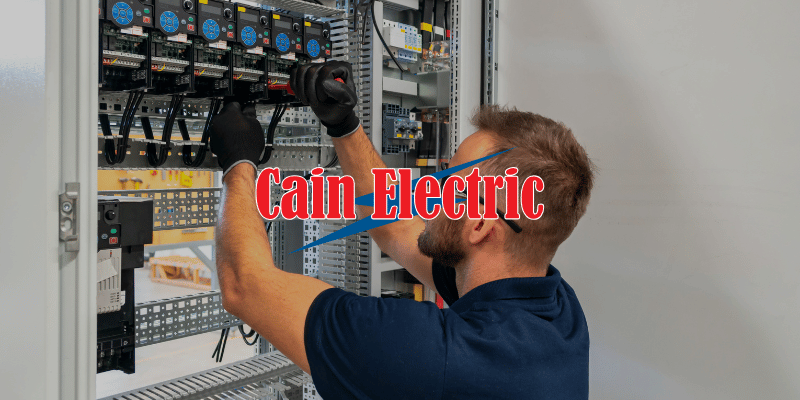
The first thing an electrician usually checks is your main panel.
This part matters because a Level 2 charger adds a meaningful new load to the home.
During this review, the electrician may look at:
- Service size
- Available breaker space
- Existing large electrical loads
- Panel condition
- Signs of overheating or past modifications
Many Missouri homes can support a charger with a dedicated circuit.
Some cannot without additional work.
If your home is already close to its limit, a panel upgrade may be part of the discussion:
https://www.cainelectricstl.com/blog/do-you-need-a-panel-upgrade-for-a-level-2-ev-charger-in-missouri/
Step Two: Load Calculation
This is one of the most important parts of the visit.
A load calculation helps determine whether your system can handle the charger safely along with everything else already in the house.
That includes loads such as:
- Electric range
- Dryer
- Water heater
- HVAC equipment
- Hot tub
- Basement circuits
- Home office equipment
This is the step that prevents unsafe assumptions.
Step Three: Charger Location Planning
Next, the electrician will review where you actually want the charger installed.
That sounds simple, but location affects both convenience and cost.
Questions usually include:
- Where do you park most often?
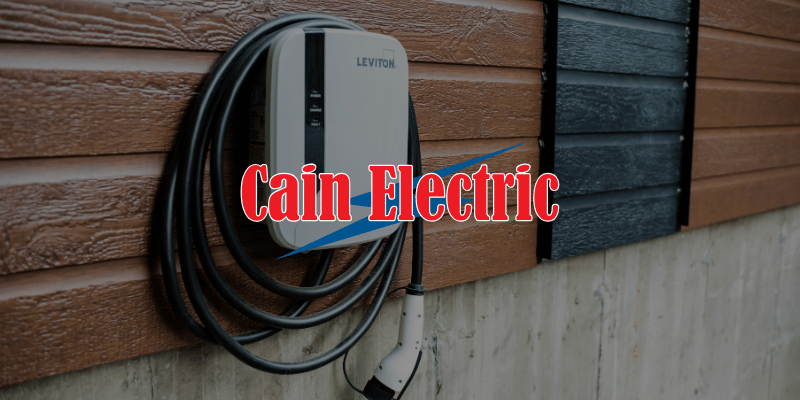
- Will the charger be wall-mounted inside or outside?
- How long is the charging cord?
- Will the cable reach the charge port without strain?
- Is future access convenient if you change vehicles?
A good charger location should be easy to use every day, not just technically possible.
Step Four: Routing the Circuit
Once the panel and charger location are known, the electrician can evaluate the circuit path.
That may include:
- Garage wall routes
- Basement ceiling access
- Finished wall conditions
- Exterior conduit runs
- Distance between panel and charger
This is one reason installation pricing varies.
A short, clean run is simpler than routing through finished spaces or across long distances.
Step Five: Reviewing the Installation Environment
Not every home has the same installation conditions.
The site visit also helps identify details such as:
- Moisture exposure
- Outdoor mounting needs
- Clearance issues
- Parking layout
- Existing subpanels
- Detached garage conditions
If your charger will be mounted outside or in an area exposed to the weather, enclosure type and code requirements matter.
Step Six: Permit and Inspection Requirements
A professional charger installation should include the permit conversation.
That is not a minor detail.
Permits help ensure:
- The circuit is sized correctly
- The equipment is installed to code
- Inspection requirements are met
- Documentation exists for resale and insurance purposes
Cain Electric handles code-compliant residential electrical work throughout the region:
https://www.cainelectricstl.com/residential-electrician/
Step Seven: Discussing Future Plans
A good site visit is not just about today's vehicle.
It should also account for what may change next.
For example:
- Will your next EV charge faster?
- Could your household add a second EV?
- Are you considering solar later?
- Is a panel upgrade already likely for another project?
Planning ahead now can prevent paying twice later.
Common Surprises That Affect the Quote
Homeowners are often surprised when one of these factors changes the price:
- The panel is full
- The service is only 100 amps
- The preferred charger wall is far from the panel
- The garage is detached
- Finished spaces limit wiring access
- Existing equipment is outdated or unsafe
That is exactly why a real site visit matters.
Questions to Ask During the Visit
You do not need to know everything going in, but it helps to ask:
- Does my panel have enough capacity?
- What amperage charger makes the most sense?
- Is a panel upgrade likely?
- Where would you place the charger?
- Will this require exterior conduit?
- What permits are needed?
The more clearly those questions are answered, the smoother the installation goes.
A Good Site Visit Prevents Bad Installs
A proper EV charger installation is not just about making the charger turn on.
It is about making sure the system is:
- Safe
- Convenient
- Code-compliant
- Sized for your home
- Ready for long-term use
If you are preparing for home charging in Pacific, Eureka, Union, Gray Summit, or nearby Missouri communities, Cain Electric can evaluate your home and provide a clear installation plan.
Schedule your EV charger site visit here:
https://www.cainelectricstl.com/contact/
The estimate gets more useful once someone has actually seen the panel, the garage, and the path the charger needs to take.