
How Often Should You Service a Whole-Home Generator in Missouri?
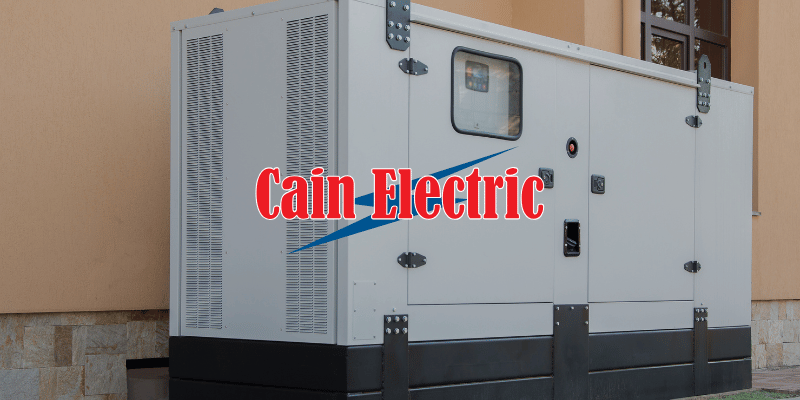
A whole-home generator is one of those upgrades you hope you never need often, but when you do need it, it has to work immediately.
That is why generator maintenance matters.
If your system has been sitting quietly beside the house for months, that does not mean it is ready for the next outage.
In Missouri, where storms, heavy summer demand, and winter weather can all interrupt power, routine generator service is not optional if you want reliable performance.
The Short Answer
Most whole-home generators should be professionally serviced at least once a year.
In some cases, twice-yearly service makes more sense, especially if:
- The generator runs frequently
- Your area experiences repeated outages
- The manufacturer recommends shorter intervals
- The unit is aging
- The home depends on the generator for critical loads
If your system has recently powered the home through a long outage, it should also be checked after that event.
Why Annual Service Is the Minimum
A standby generator is still an engine-driven system.
That means it includes components that age even when the unit is not under heavy use.
Over time, you can have issues with:
- Battery condition
- Oil and filter life
- Air filter condition
- Spark plugs
- Corrosion
- Fuel system performance
- Electrical connections
Annual service helps catch those issues before the next outage reveals them the hard way.
If you are still deciding whether a standby system is the right fit, start here:
https://www.cainelectricstl.com/whole-home-backup-generators/
What Missouri Weather Does to Generators
Generators in Missouri deal with wide temperature swings, humidity, thunderstorms, ice, and wind-driven debris.
That matters because outdoor equipment is exposed year-round.
A system that sits through spring storms, summer heat, fall leaves, and winter freeze-thaw cycles needs regular inspection even if it has not logged many operating hours.
Common local maintenance concerns include:
- Wet or corroded terminals
- Debris blocking ventilation
- Rodent activity
- Condensation in enclosures
- Battery weakness after winter
How Often Should the Oil Be Changed?
The exact answer depends on the model and how much the generator has run.
In general:
- Annual oil service is common for lightly used residential units
- Heavier use may require service based on operating hours
- Long outage events can trigger an earlier maintenance need
The owner's manual matters here, but homeowners often forget that time matters too, not just hours.
Oil degrades even when the machine is not being worked constantly.
What a Professional Generator Service Visit Usually Includes
A proper maintenance visit is more than a quick glance.
It may include:
- Oil and filter replacement
- Air filter inspection or replacement
- Battery testing
- Spark plug inspection
- Fuel system inspection
- Transfer switch check
- Electrical connection inspection
- Exercise cycle verification
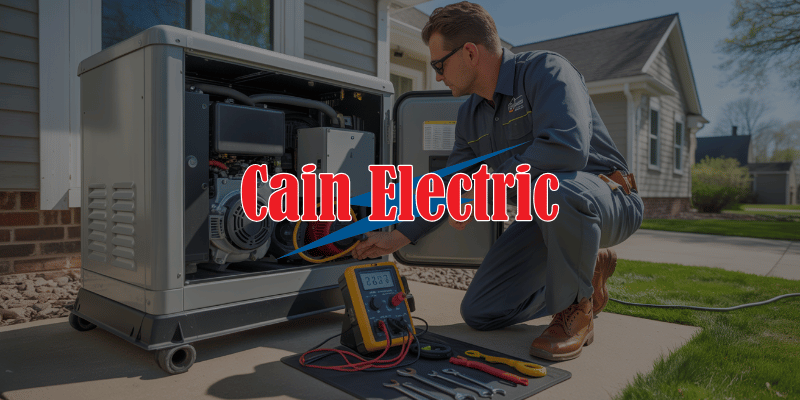
- General operation test
That service confirms both the engine side and the electrical side are ready.
What Homeowners Can Check Themselves
There are a few basic things homeowners can watch between service visits:
- Keep the area around the generator clear
- Watch for warning lights or alarms
- Listen for unusual sounds during exercise cycles
- Make sure shrubs and debris are not crowding the enclosure
- Check for visible rust, nests, or damage
Those are useful habits, but they are not a substitute for professional service.
Homeowners should not open panels or attempt electrical repairs inside the unit.
Signs Your Generator May Need Service Sooner
Do not wait for the yearly reminder if you notice:
- The unit fails a self-test
- The battery warning appears
- The generator starts roughly
- You smell fuel
- The exercise cycle sounds different
- The unit ran through a recent outage
If the generator supported your home during a storm event, it also makes sense to inspect related electrical protection:
https://www.cainelectricstl.com/storm-damage-repair/
What About the Transfer Switch?
Homeowners often focus on the generator itself and forget the transfer switch.
That is a mistake.
The transfer switch is what safely shifts the home from utility power to generator power and back again.
If it is not operating correctly, the generator may not serve the house the way it should.
That is one reason generator service should be handled by professionals familiar with the complete system, not just the engine.
Is Twice a Year Ever Worth It?
Yes, in some homes it is.
Twice-yearly service is worth considering if:
- You rely on medical equipment
- You work from home and cannot tolerate long outages
- The home has a sump pump or critical refrigeration loads
- Your neighborhood sees repeated storm outages
- Your system is older and more maintenance-sensitive
For many homeowners, a pre-summer or pre-storm-season check adds peace of mind.
Generator Maintenance Protects the Investment
A standby generator is not a small purchase.
Routine maintenance helps:
- Extend equipment life
- Reduce failure risk
- Improve reliability
- Catch small issues before they become expensive
- Protect the rest of your electrical system during outages
If your home also includes heavy electrical loads, it is smart to think about the entire system together:
https://www.cainelectricstl.com/residential-electrician/
The Best Time to Schedule Service
Do not wait until a storm warning is already in the forecast.
The best time to service a whole-home generator is before high-demand outage seasons.
In Missouri, that often means spring or early summer, with some homeowners preferring a second fall check before winter weather.
Schedule Generator Service Before You Need It
If your whole-home generator has not been professionally serviced within the last year, this is a good time to fix that.
Cain Electric helps homeowners in Pacific, Eureka, Union, Gray Summit, and surrounding Missouri communities keep backup power systems ready for the next outage.
Schedule service here:
https://www.cainelectricstl.com/contact/
The generator that starts every time is the one that gets maintained before the lights go out.