Winter Electrical Hazards in Missouri Homes (and How to Prevent Them)

Missouri winters bring more than snow and ice — they also bring a spike in electrical problems. From overloaded outlets to dangerous space heaters, cold weather increases the risk of home fires, outages, and costly damage to your appliances and wiring.
At Cain Electric, we help homeowners in Wildwood, Union, Washington, Eureka, and Pacific stay safe through every season. In this article, we’ll show you the most common winter electrical hazards in Missouri homes — and how to prevent them before they become emergencies.
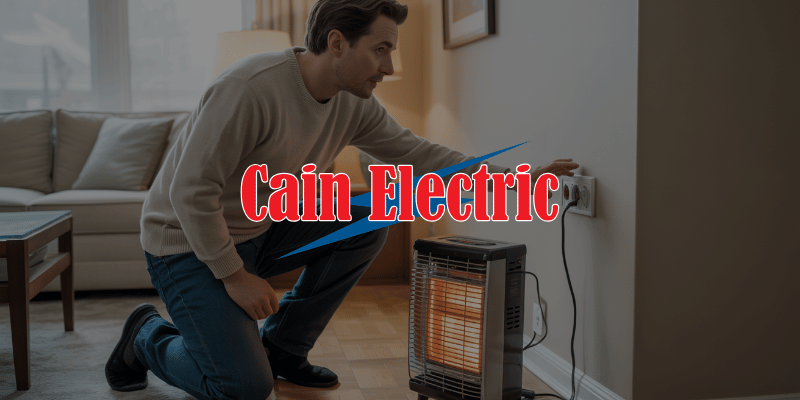
1. Overloaded Circuits from Space Heaters
Space heaters are one of the leading causes of electrical fires in winter. Most models draw 12–15 amps, which is nearly the entire capacity of a standard 15-amp household circuit.
If you plug a space heater into the same outlet as a TV, lamp, or phone charger, you’re likely to trip a breaker — or worse, overheat the wiring inside your wall.
Prevention Tips:
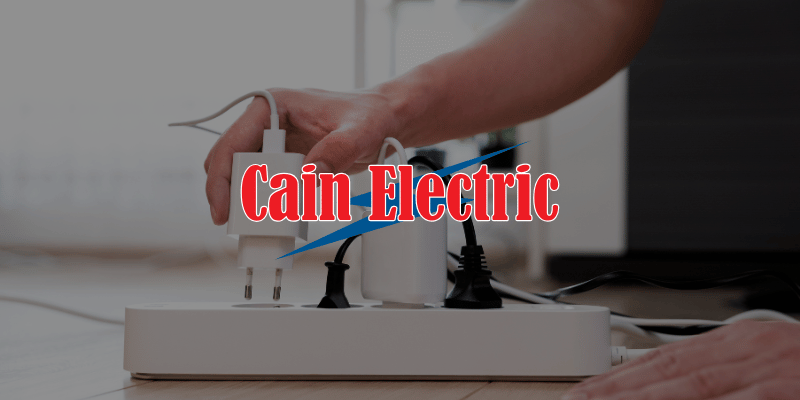
- Plug space heaters directly into a wall outlet, never a power strip or extension cord
- Don’t use more than one space heater per circuit
- Upgrade older circuits with AFCI/GFCI protection for added safety
- Consider installing a dedicated circuit if you use space heaters often
Explore our Residential Electrical Services.
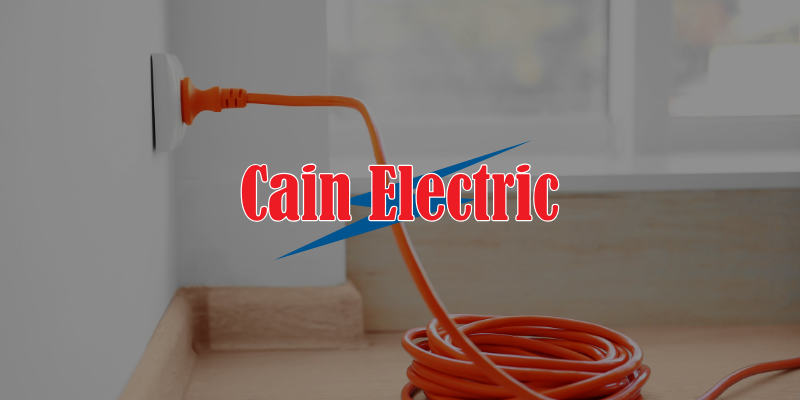
2. Using the Wrong Extension Cords Outside
Holiday lights, inflatable decorations, heated birdbaths — winter puts a lot of demand on your outdoor outlets and extension cords. If you’re using cords not rated for outdoor use, moisture and ice can seep in and cause shorts, fires, or shocks.
Prevention Tips:
- Use only weather-rated extension cords labeled “for outdoor use”
- Make sure outlets are GFCI protected and covered with weatherproof bubble covers
- Keep cords off the ground and away from water, snow, or metal gutters
- Unplug outdoor decorations when not in use or during storms
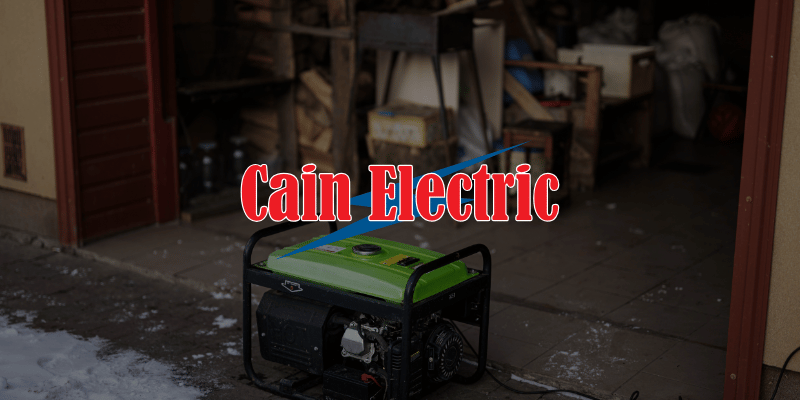
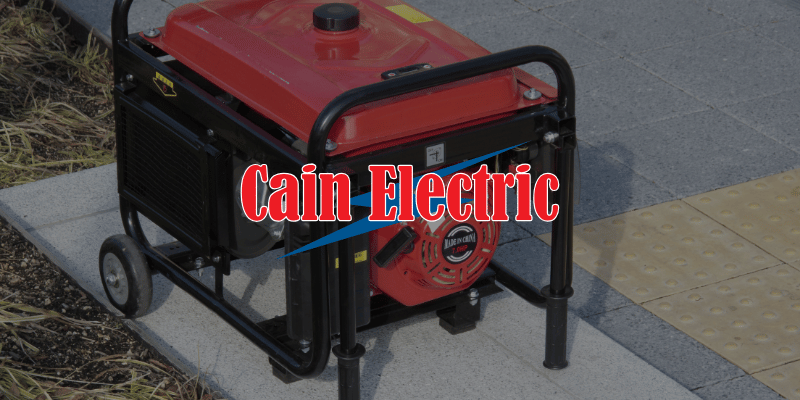
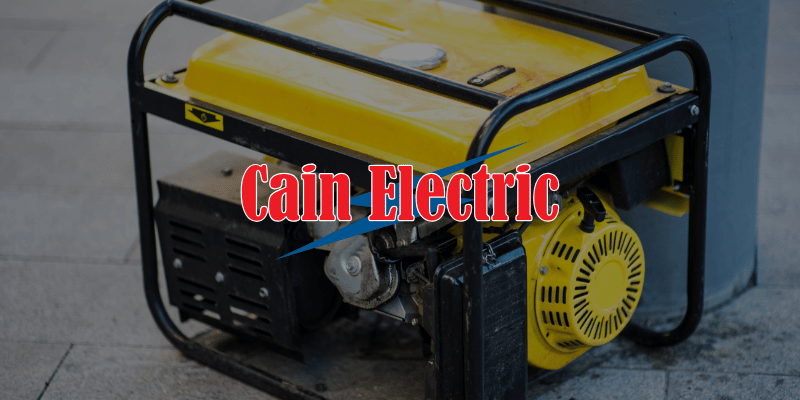
3. Portable Generator Dangers
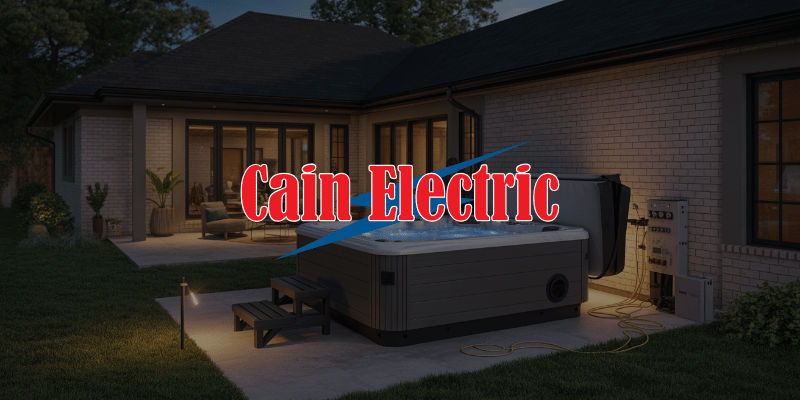
Winter storms in Missouri often lead to power outages — and many homeowners turn to portable generators. But using them incorrectly can be deadly.
Common mistakes include:
- Running generators indoors or in garages (carbon monoxide risk)
- Backfeeding power into the home without a transfer switch (fire and utility worker risk)
- Overloading the generator’s capacity
Prevention Tips:
- Always operate generators at least 20 feet from your home
- Never plug them into a wall outlet
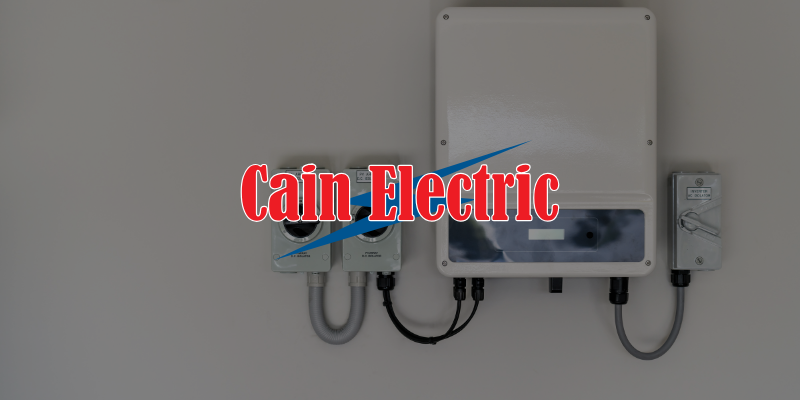
- Use a manual transfer switch or interlock kit installed by a licensed electrician
- Know the wattage of the appliances you’re powering
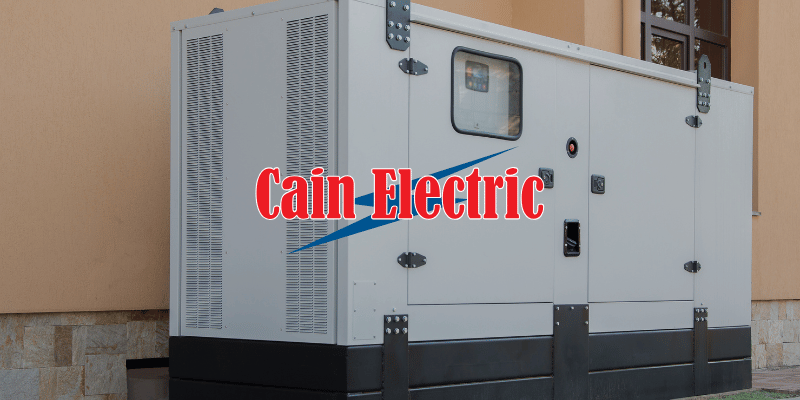
Want permanent peace of mind? Consider a whole-home backup generator that powers on automatically and runs safely.
Learn more about Generator Installation.
4. Heat Tape on Pipes Without GFCI Protection
Many homeowners use electric heat tape to prevent frozen pipes in crawl spaces, attics, or basements. While effective, these devices draw constant power and can overheat or short out — especially older models or those not installed correctly.
Prevention Tips:
- Use heat tape that’s UL-listed and appropriate for your pipe type
- Plug into a GFCI-protected outlet (especially in basements or crawl spaces)
- Never layer insulation over heat tape unless specified by the manufacturer
- Inspect cords regularly for damage or exposed wiring
5. Ice Storms and Fallen Power Lines
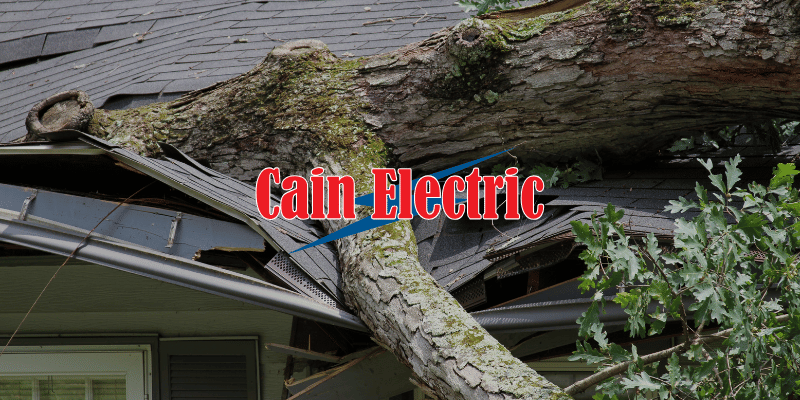
Winter storms in Missouri can bring down tree limbs and utility lines. If power lines fall near your home or driveway, touching or approaching them — even accidentally — can be fatal.
Prevention Tips:
- Never approach a downed line, even if it looks inactive
- Assume all wires are live and dangerous
- Call your utility company immediately
- Use a backup generator only after a safe disconnect from the grid is confirmed
- Consider whole-home surge protection to safeguard sensitive electronics from power surges when power returns
Explore Residential Surge Protection Services.
6. Frozen Outlets and Water Ingress
Exterior outlets can freeze or collect moisture during sleet or snow. This can trip GFCI breakers or cause outlets to fail, especially if improperly sealed.
Prevention Tips:
- Ensure all exterior outlets are weather-rated and have bubble covers
- Replace cracked or loose covers and caulk around the outlet boxes
- If you use outlets in sheds or detached garages, confirm proper grounding and GFCI protection
7. Outdated Panels Can’t Handle the Load
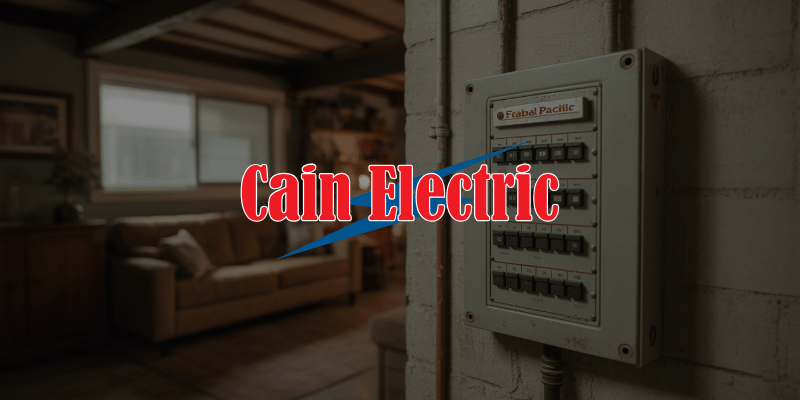
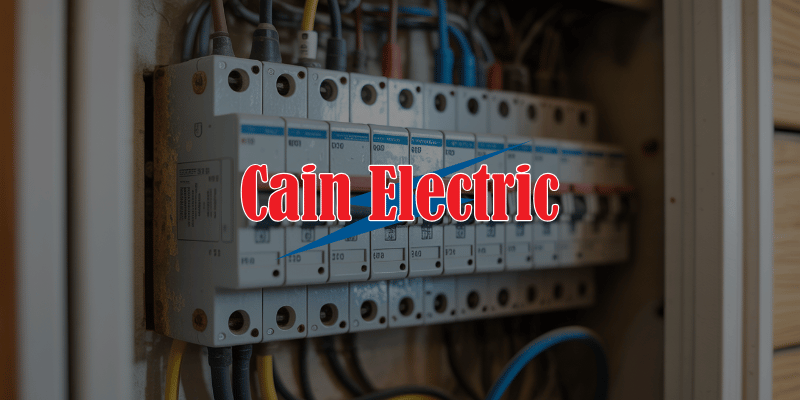
Winter usage spikes — with space heaters, heated blankets, electric fireplaces, sump pumps, and more — can reveal hidden weaknesses in your home’s main electrical panel.
If your lights flicker, breakers trip frequently, or your panel is warm to the touch, it may be time for an upgrade.
Signs Your Panel May Be Outdated:
- Panel is over 25 years old
- Uses fuses instead of breakers
- Has double-tapped breakers or overcrowded wiring
- Contains Zinsco, Pushmatic, or Federal Pacific breakers (known safety issues)
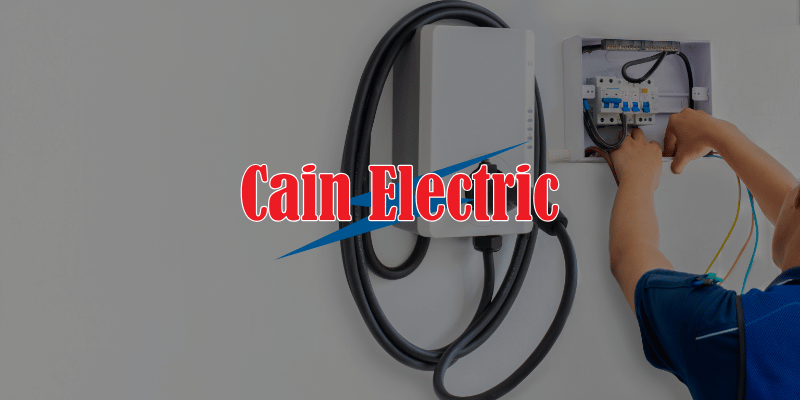
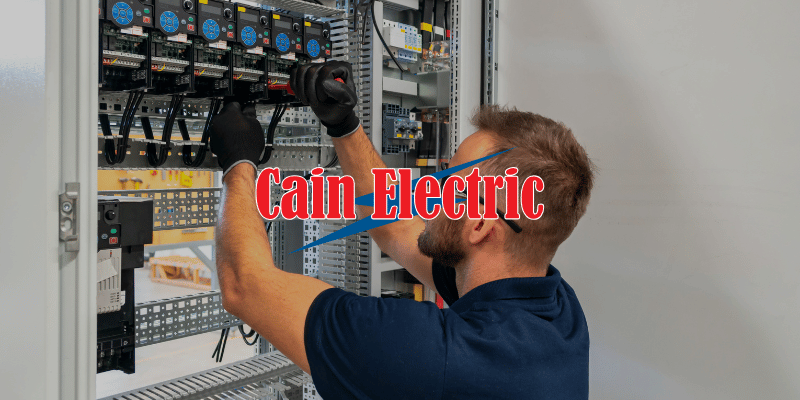
Cain Electric offers panel inspections and upgrades to prepare your home for winter and beyond.
8. No Backup Plan for Medical Devices or Refrigeration
If someone in your household uses electrically powered medical equipment, or if you store medication or food that must be kept cold, a winter outage can turn serious — fast.
Prevention Tips:
- Install a battery backup unit for essential devices
- Consider a standby generator with an automatic transfer switch
- Create a plan for accessing alternative power in case of extended outages
- Use surge-protected circuits for CPAP machines, oxygen devices, or mobility aids
Stay Safe This Winter with Cain Electric
Missouri winters don’t just test your furnace — they test your entire electrical system.
Cain Electric is here to help you:
- Inspect and upgrade panels
- Install safe, code-compliant circuits
- Add GFCI and AFCI protection
- Prepare for generator installation
- Protect outdoor outlets and decorations
We serve homeowners across Franklin County and surrounding areas. If you’re concerned about how your home will handle this winter’s electrical load — or you’ve already noticed issues — we’re ready to help.