Why Your Outlets Feel Warm and What That Means

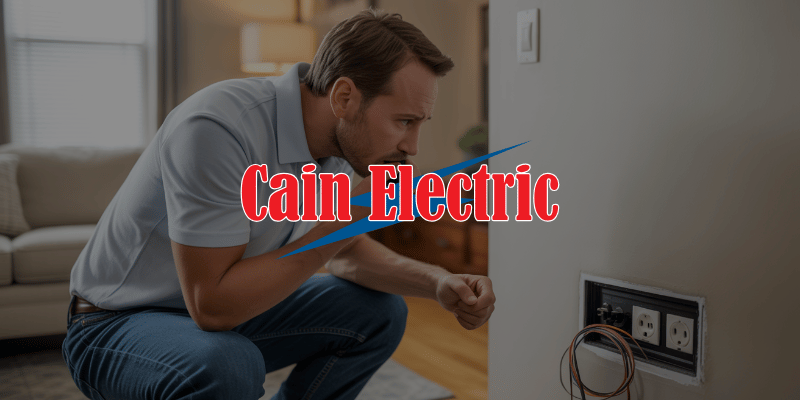
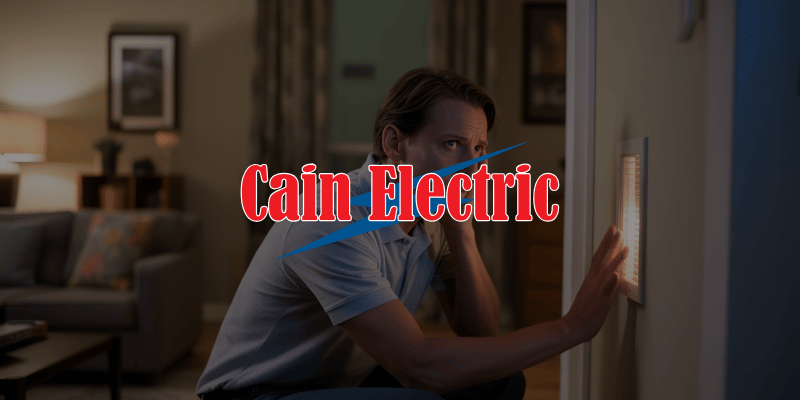
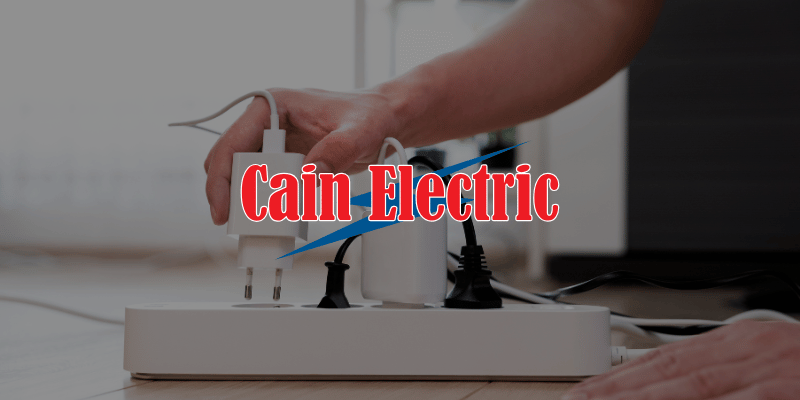
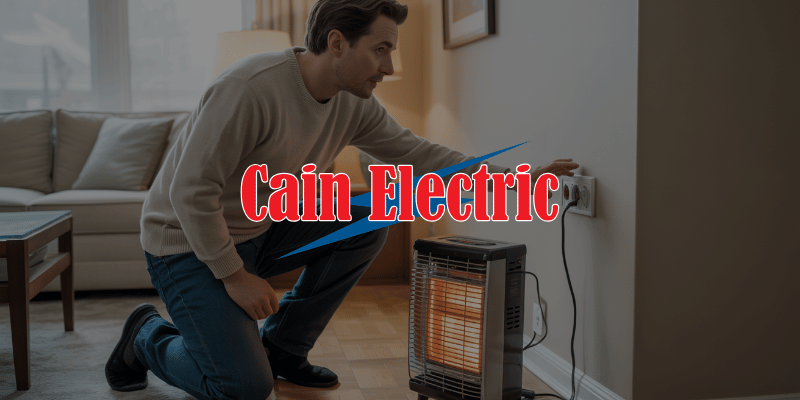
You unplug something and notice the outlet plate feels warm.
Not hot enough to burn you. Just warmer than it should be.
If you live in Washington, Union, Eureka, St. Charles, or elsewhere in the St. Louis area, this is something you should not ignore.
Electrical outlets should not feel warm under normal conditions.
Let’s talk about what causes it and when it becomes dangerous.
Is a Warm Outlet Ever Normal?
Slight warmth can occur if:
- A high-demand appliance is plugged in
- The device has been running for a long period
- The room temperature is already high
But noticeable warmth at the wall plate itself is usually a warning sign.
Outlets are designed to safely transfer electricity without generating excessive heat. When heat builds up, it typically means resistance is occurring somewhere in the connection.
And resistance creates heat.
Common Causes of Warm Outlets
1. Overloaded Circuit
If too many devices are plugged into one outlet or power strip, the circuit may be drawing more power than it was designed to handle.
Common overload situations include:
- Space heaters
- Window AC units
- Hair dryers
- Microwaves
- Multiple kitchen appliances running together
Older Missouri homes often have fewer dedicated circuits than modern homes. That increases the chance of overloading.
If you frequently experience breaker trips along with warm outlets, the issue may be circuit capacity.
You can learn more about professional residential electrical evaluation here:
https://www.cainelectricstl.com/residential-electrician/
2. Loose Wiring Behind the Outlet
Loose connections are one of the most dangerous causes of heat buildup.
When wiring is not tightly secured, electricity may arc slightly between contact points. That creates heat inside the wall.
You may not see it immediately, but over time it can damage insulation and increase fire risk.
Loose wiring is more common in:
- Older homes
- Homes that have had previous DIY electrical work
- Outlets that have been heavily used over many years
3. Backstabbed Connections
Some older outlets were wired using “backstab” push-in connections instead of screw terminals.
Over time, these connections can loosen.
As resistance increases, so does heat.
Modern best practice favors secure screw terminal connections to reduce this risk.
4. Damaged or Worn Outlets
Outlets wear out.
If plugs feel loose when inserted, the internal contacts may be worn. Poor contact creates resistance. Resistance creates heat.
If the outlet faceplate is discolored, cracked, or loose, replacement may be necessary.
5. High-Demand Appliances
Certain appliances generate significant electrical draw.
If you notice warmth only when a specific appliance runs, the device itself may be pulling heavy load.
In that case, the circuit may need upgrading or the appliance may need a dedicated line.
When Warm Becomes Dangerous
A mildly warm outlet is concerning.
A hot outlet is urgent.
You should treat the situation as serious if you notice:
- A burning smell
- Discoloration around the outlet
- Buzzing sounds
- Frequent breaker trips
- Visible sparking
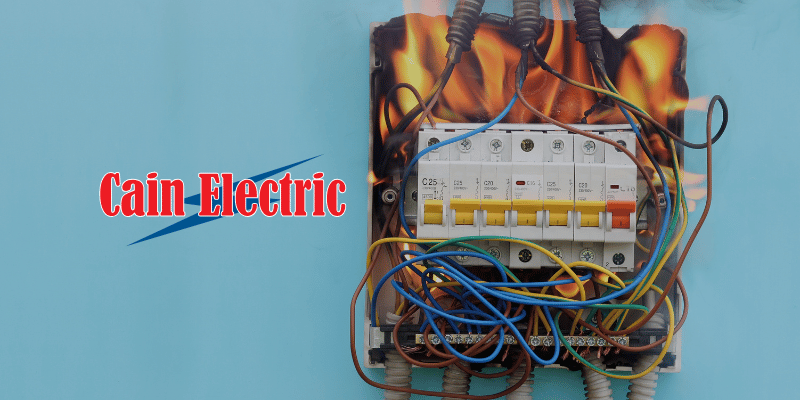
Heat inside walls can lead to electrical fires.
Do not ignore persistent warmth.
Missouri Weather and Electrical Stress
Hot Missouri summers increase overall demand.
Air conditioners run constantly. Space heaters run in winter. Power demand rises during temperature extremes.
If your system is already near capacity, these seasonal spikes can worsen overheating issues.
Storm activity can also stress wiring. If you suspect storm-related electrical damage, professional inspection is recommended:
https://www.cainelectricstl.com/storm-damage-repair/
What You Should Not Do
If you notice a warm outlet:
- Do not replace it with a higher-rated breaker
- Do not ignore the issue
- Do not continue running high-demand appliances on that outlet
- Do not attempt DIY wiring unless properly licensed
Increasing breaker size without upgrading wiring removes protection and increases risk.
Immediate Steps You Can Take
If an outlet feels warm:
- Unplug devices from that outlet.
- Let it cool down.
- Avoid using it until inspected.
- Monitor for smells or discoloration.
If heat returns quickly or you smell burning, contact an electrician immediately.
Long-Term Solutions
Depending on the cause, solutions may include:
- Replacing worn outlets
- Tightening or correcting wiring connections
- Adding dedicated circuits
- Upgrading aging electrical systems
- Increasing overall service capacity
The correct fix depends on a proper inspection.
If you live in Washington, Union, Eureka, St. Charles, or nearby communities and have noticed warm outlets in your home, Cain Electric can inspect your system and identify the cause safely.
Schedule an evaluation here:
https://www.cainelectricstl.com/contact/
Electrical outlets should never feel hot. When they do, it is a warning worth taking seriously.