Why Your Breaker Keeps Tripping in Older Missouri Homes

If you live in Washington, Union, Eureka, St. Charles, or anywhere in the greater St. Louis area, and your breaker keeps tripping, you are not alone.
This is one of the most common complaints in older Missouri homes.
You turn on the microwave and the lights go out.
The hair dryer shuts off half the bathroom.
The air conditioner kicks on and suddenly you are walking to the basement.
It feels random. It feels annoying. It feels inconvenient.
But it is not random.
Your breaker is doing exactly what it was designed to do.
The real question is why it keeps happening.
What a Tripped Breaker Actually Means
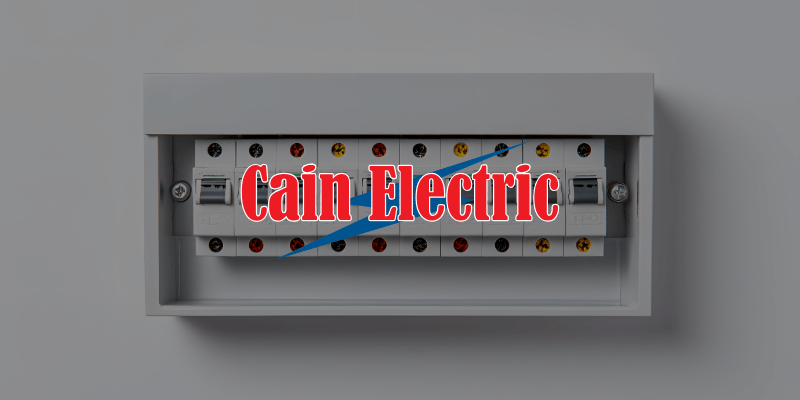
A breaker trips when a circuit draws more electricity than it is designed to handle.
Think of it as a safety valve.
When too much electrical demand flows through a circuit, the breaker shuts it off before the wiring overheats. That prevents fires and serious damage.
If your breaker keeps tripping, it means something is overloading that circuit.
The breaker is not the problem. The overload is.
Why This Happens More in Older Missouri Homes
Many homes in Washington, Union, and surrounding communities were built decades ago.
At the time, electrical demand looked very different.
Homes had:
- Fewer kitchen appliances
- No home office equipment
- Smaller HVAC systems
- No EV chargers
- Fewer electronics overall
Today, a single kitchen may run:
- Refrigerator
- Microwave
- Dishwasher
- Coffee maker
- Toaster
- Under-cabinet lighting
- Phone chargers
All at once.
Older circuits were not designed for that level of usage.
The Most Common Reasons Breakers Keep Tripping
1. Too Many Appliances on One Circuit
This is the number one reason.
In many older homes, multiple rooms share a single circuit. Kitchens especially were not always wired with modern demand in mind.
If you plug in a microwave and a toaster at the same time and the breaker trips, that circuit is likely overloaded.
The wiring itself may be fine. It just was not designed for modern usage.
2. Aging Electrical Systems
Electrical systems age just like roofs and HVAC units.
Connections loosen. Components wear down. Capacity becomes limited.
Even if your home has not changed much, the electrical system may not be performing like it did 30 years ago.
If your home has never had an electrical inspection or upgrade, it may be time to evaluate the system as a whole. You can learn more about residential electrical services here:
https://www.cainelectricstl.com/residential-electrician/
3. High-Demand Appliances
Certain appliances draw a large amount of power:
- Electric dryers
- Space heaters
- Window air conditioners
- Hair dryers
- Microwaves
If these are running on circuits that were not designed for heavy loads, tripping becomes common.
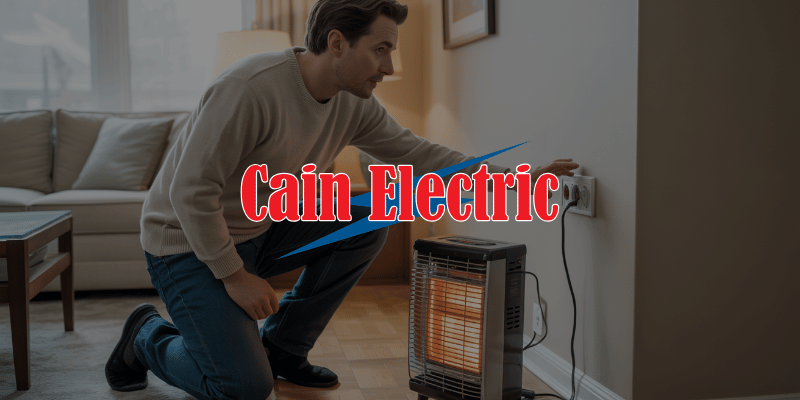
Winter in Missouri adds another layer. Space heaters are frequent breaker trip culprits in older homes.
4. Short Circuits
Sometimes the issue is not overload but a short circuit.
A short circuit happens when hot and neutral wires touch or when wiring is damaged.
This causes a sudden surge of current, and the breaker trips immediately.
Signs of a short circuit include:
- Breaker trips instantly when reset
- You hear a pop
- There is a burning smell
If this happens, do not keep resetting the breaker repeatedly. That can create further risk.
5. Ground Faults
Ground faults are common in bathrooms, kitchens, garages, and outdoor areas.
Moisture increases the chance of electricity taking an unintended path to ground.
If a breaker trips during rain or in humid conditions, moisture intrusion could be part of the problem.
Missouri storms can contribute to electrical stress, especially if your home has experienced recent severe weather. If storm damage is suspected, professional evaluation is important:
https://www.cainelectricstl.com/storm-damage-repair/
Is It Dangerous If a Breaker Keeps Tripping?
A breaker tripping occasionally is not dangerous.
A breaker tripping repeatedly is a warning sign.
If you ignore it and continue resetting the breaker without addressing the cause, you may be masking a deeper issue.
Persistent overload can lead to:
- Overheated wiring
- Damaged appliances
- Increased fire risk
Breakers are designed to protect you. When they trip frequently, they are telling you something.
When It Is Likely a Capacity Problem
If you notice:
- Breakers trip when multiple appliances run
- Lights dim before the breaker trips
- Your home still has 100 amp service
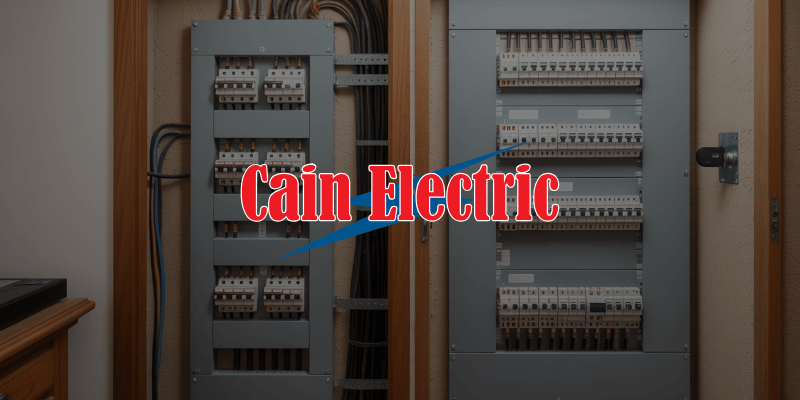
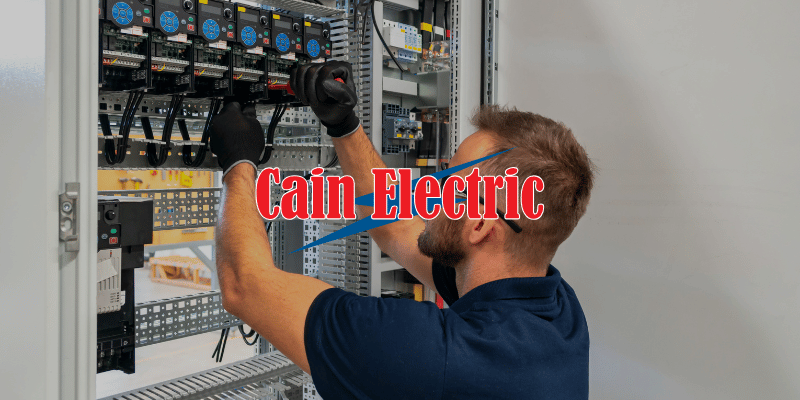
- Your electrical panel is completely full
Then the issue may not be just one circuit. It may be overall capacity.
Homes that have added:
- Finished basements
- Outdoor lighting
- EV chargers
- Hot tubs
- Additional HVAC systems
Often push older electrical systems beyond their intended limits.
In these cases, upgrading circuits or increasing service capacity may be necessary.
Quick Things You Can Check
Before calling an electrician, consider:
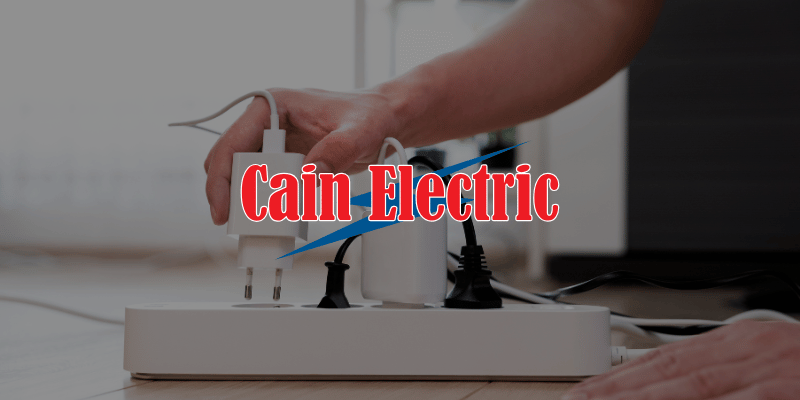
- Are too many devices plugged into one outlet?
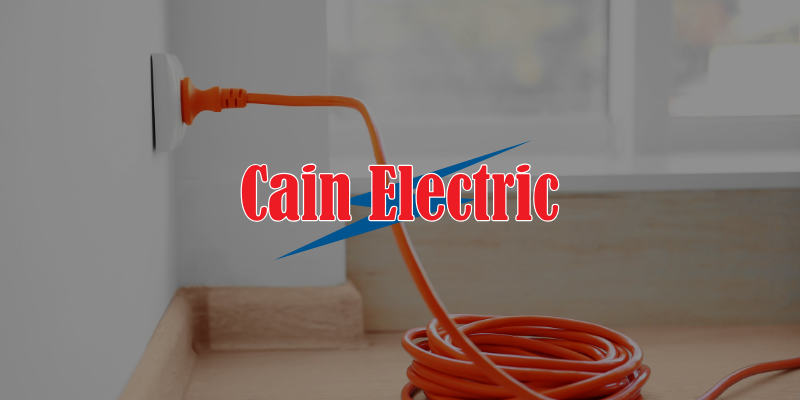
- Are extension cords being used heavily?
- Is a single room powering multiple high-demand appliances?
If rearranging usage solves the problem, the issue may simply be circuit load distribution.
If it continues, professional diagnosis is the safest route.
Why DIY Fixes Can Make Things Worse
It can be tempting to:
- Replace breakers yourself
- Use larger breakers
- Add extension cords
- Ignore repeated trips
Installing a larger breaker on wiring that was not designed for it is extremely dangerous.
The breaker protects the wire. Increasing the breaker size without upgrading wiring removes that protection.
Electrical upgrades should always be handled by a licensed professional.
The Right Way to Fix It
The solution depends on the root cause.
It may involve:
- Adding dedicated circuits
- Rebalancing existing loads
- Replacing aging breakers
- Upgrading your panel
- Increasing service capacity
The only way to know is through a proper evaluation.
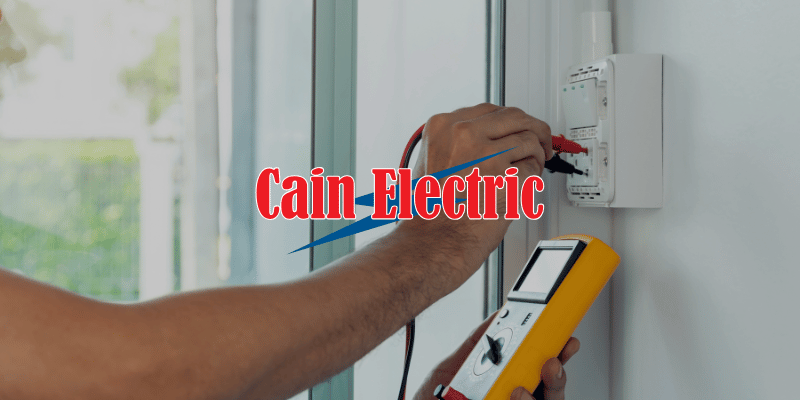
If you live in Washington, Union, Eureka, St. Charles, or nearby communities and your breaker keeps tripping, Cain Electric can inspect your system and identify the cause.
Schedule an evaluation here:
https://www.cainelectricstl.com/contact/
Breaker trips are not random. They are warnings.
Addressing the cause now prevents larger and more expensive problems later.