Signs You Need a Breaker Panel Replacement Before It Fails

Most homeowners never think about their electrical panel until something goes wrong.
But your breaker panel is the heart of your home’s electrical system. When it begins to fail, the warning signs usually show up long before a complete outage happens.
If you live in Washington, Union, Eureka, St. Charles, or the surrounding St. Louis area, and your home is more than 20–30 years old, your panel may already be showing signs of age.
Here’s how to recognize when it’s time for a breaker panel replacement before a serious problem develops.
What a Breaker Panel Actually Does
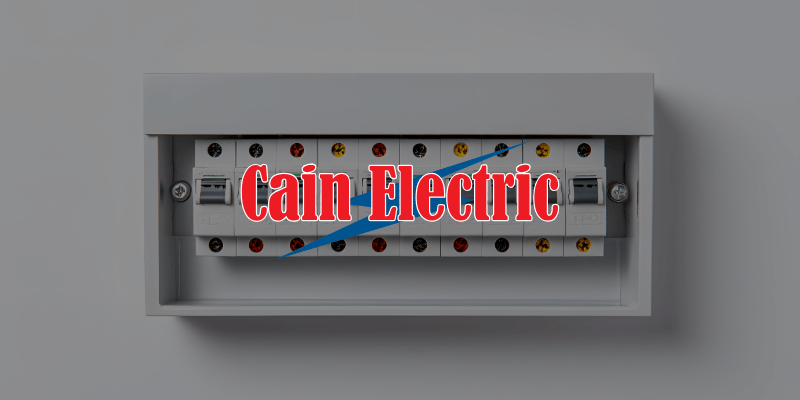
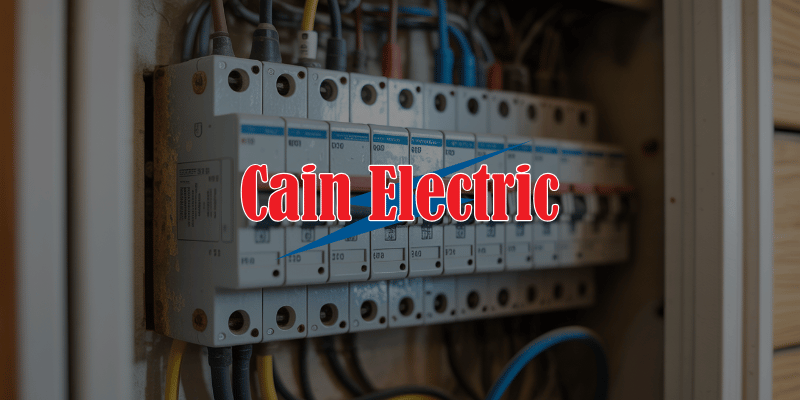
Your electrical panel distributes power from the utility company to the circuits throughout your home.
Each breaker is designed to shut off power if a circuit becomes overloaded or shorted. That protective function prevents overheating and reduces the risk of electrical fires.
When the panel itself becomes outdated or damaged, that protection can weaken.
If you are unsure about the overall health of your electrical system, professional evaluation through a licensed residential electrician is the safest place to start: https://www.cainelectricstl.com/residential-electrician/
Sign #1: Breakers Trip Frequently Without Obvious Cause
Occasional trips happen. But if you notice breakers tripping weekly or even monthly without major appliance changes, something deeper may be wrong.
Repeated breaker trips can indicate:
- Deteriorating internal components
- Weak breaker connections
- Overloaded service capacity
- Aging wiring connections inside the panel
When breakers fail to hold under normal loads, the panel may no longer be functioning reliably.
Sign #2: Breakers Feel Loose or Won’t Reset Properly
A healthy breaker should click firmly into place when reset.
If breakers feel loose, wobbly, or fail to stay reset, that is a red flag.
Internal bus bars, which connect breakers to incoming power, can degrade over time. When that happens, breakers may not make secure contact. Loose connections create heat, and heat creates risk.
Sign #3: Rust or Corrosion Inside the Panel
Missouri’s humidity and storm activity can expose electrical systems to moisture.
If you see:
- Rust on breaker screws
- Corrosion on metal components
- Signs of water intrusion
Your panel may have been compromised.
Moisture inside a panel accelerates deterioration and can lead to arcing or failure.
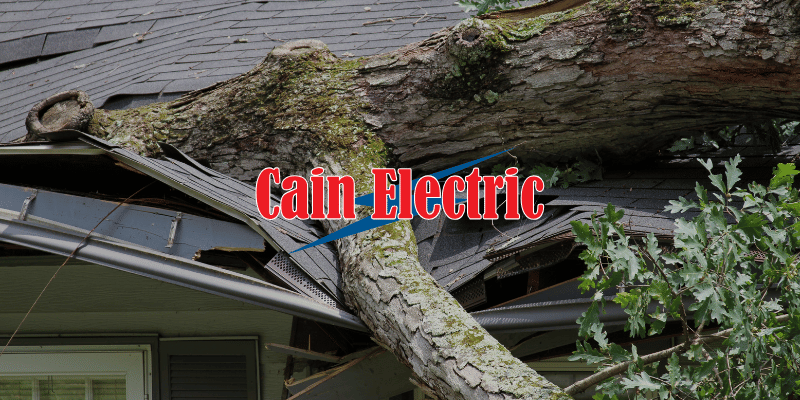
If your home has experienced severe weather or water damage, inspection is especially important: https://www.cainelectricstl.com/storm-damage-repair/
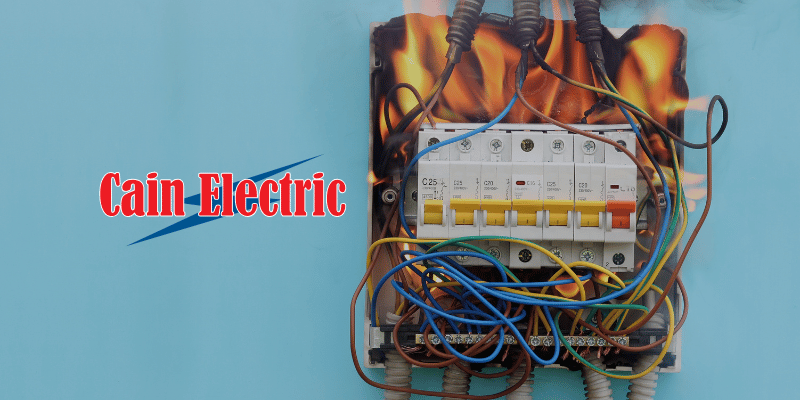
Sign #4: Burning Smell or Discoloration
A faint burning odor near your panel should never be ignored.
Other visual warning signs include:
- Scorch marks
- Melted insulation
- Discolored breaker switches
- Warm metal surfaces
These are signs of overheating.
An overheating panel can become a serious fire hazard. Immediate professional attention is required if you notice these symptoms.
Sign #5: Your Panel Is 25–40 Years Old
Breaker panels are not designed to last forever.
Even if you have not experienced obvious problems, panels older than 25–40 years may not meet current electrical code standards or safety expectations.
Older panels often lack:
- Modern surge protection
- Sufficient breaker capacity
- Proper grounding and bonding
- Compatibility with newer appliances
Age alone does not guarantee failure. But aging panels deserve evaluation.
Sign #6: You’re Planning Major Electrical Additions
Even if your panel has not failed, adding new electrical loads may push it beyond safe limits.
Common triggers for replacement include:
- Installing an EV charger
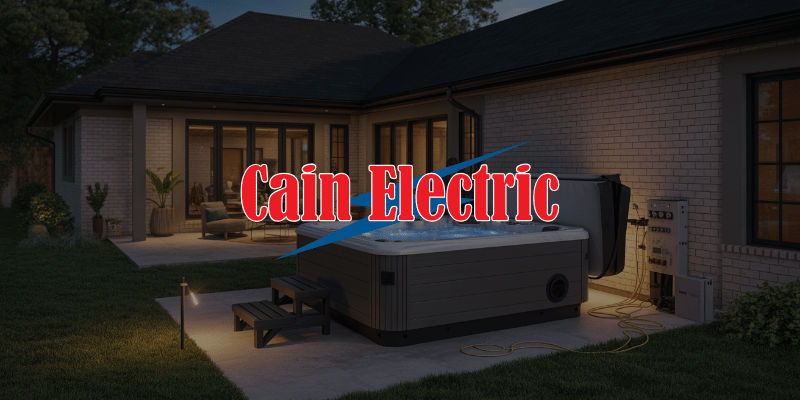
- Adding a hot tub
- Finishing a basement
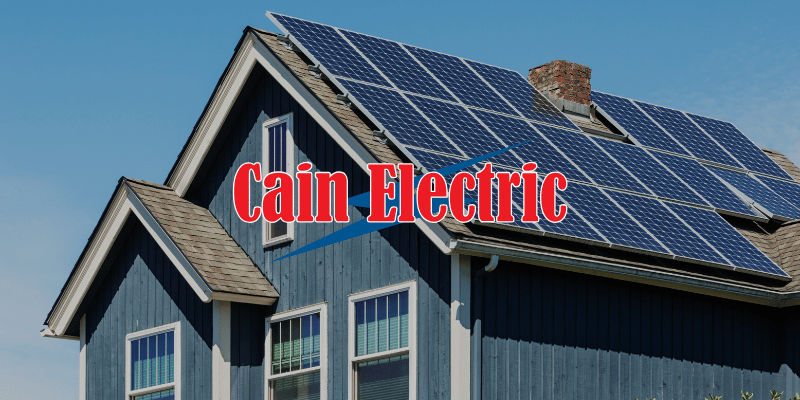
- Installing solar panels
- Upgrading HVAC systems
If your panel is already near capacity, expansion may not be possible without replacement.
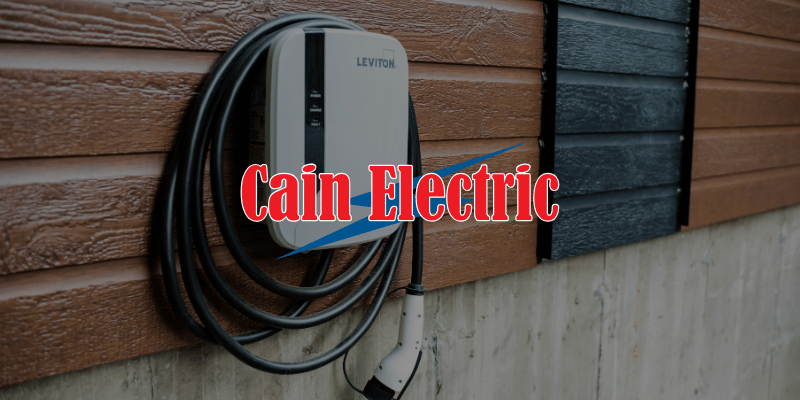
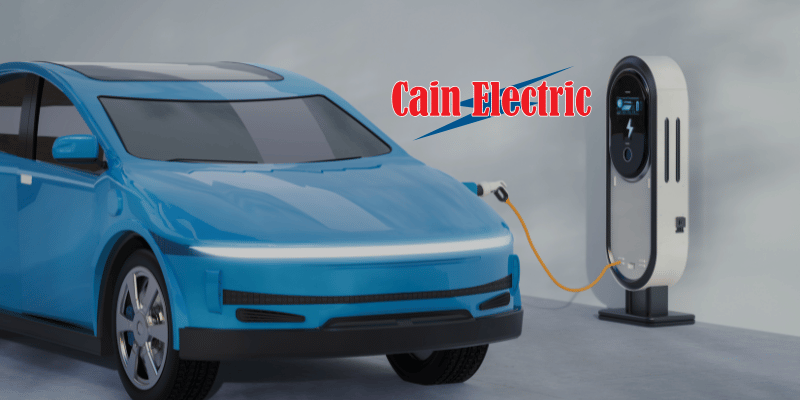
If you are considering EV charger installation in Washington or surrounding communities, you can review service details here: https://www.cainelectricstl.com/electric-car-charger-installation/
Large new loads often reveal weaknesses in older panels.
Sign #7: You Still Have a Fuse Box or Obsolete Panel Brand
Fuse boxes and certain outdated panel brands are known for safety issues.
If your home still has fuses instead of breakers, replacement should be strongly considered.
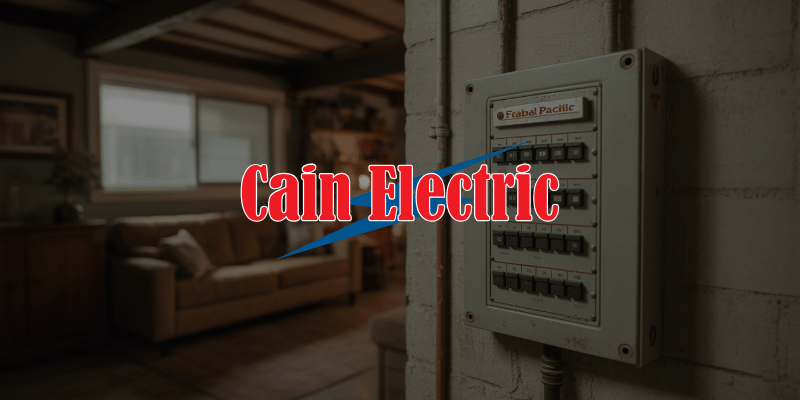
In our next article, we will specifically address Federal Pacific panels, which are common in older Missouri homes and raise additional safety concerns.
What Happens If You Ignore the Warning Signs?
Ignoring panel issues can lead to:
- Increased fire risk
- Damage to appliances
- Unexpected outages
- Expensive emergency repairs
- Lower home resale value
An electrical panel does not usually fail without warning. It often shows subtle signs first.
Addressing problems early is far less costly and far safer than waiting for a major event.
What a Breaker Panel Replacement Involves
A full panel replacement typically includes:
- Removing the existing breaker panel
- Installing a new panel rated for appropriate service capacity
- Replacing outdated breakers
- Updating grounding and bonding
- Coordinating inspections and permits
In some cases, a service upgrade from 100 amp to 200 amp may also be recommended, depending on your home’s electrical demand.
Is Replacement Worth It?
For many homeowners in Washington, Union, Eureka, and St. Charles, replacing an aging panel provides:
- Improved electrical reliability
- Increased safety
- More capacity for future upgrades
- Better home resale appeal
Electrical panels are not visible like countertops or flooring. But they are one of the most important systems protecting your home.
If your panel is showing warning signs or simply aging out, Cain Electric can inspect your system and recommend the safest path forward.
Schedule a professional evaluation here: https://www.cainelectricstl.com/contact/
Catching problems early protects your home, your appliances, and your family.