How to Prepare Your Home for EV Charging: Panel Capacity, Permits, and Parking Tips

Electric vehicle (EV) adoption is booming in Missouri. Whether you're driving a Tesla, Ford Lightning, Rivian, Chevy Bolt, or any other EV, getting your home ready for reliable, fast charging is essential — and it takes more than just plugging into a wall.
At Cain Electric, we’ve helped homeowners across Wildwood, Eureka, Union, Pacific, and Washington install EV chargers that are safe, code-compliant, and future-proof. Before you schedule your installation, there are a few important steps to consider.
This guide walks you through how to prepare your home for EV charging — from panel capacity to permit requirements and even where to park your car.
1. Understand Your Charging Needs
EV charging options fall into three main categories:
- Level 1 Charging (120V): Uses a standard outlet. Adds about 3–5 miles of range per hour.
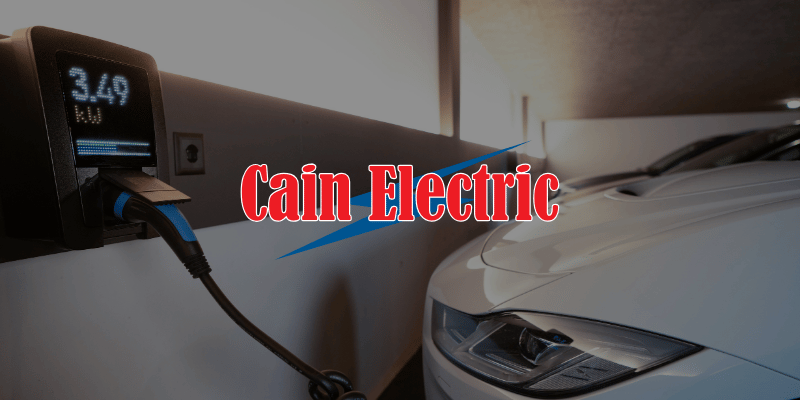
- Level 2 Charging (240V): Requires a dedicated circuit. Adds 25–40 miles of range per hour.
- Level 3 Charging (DC Fast Charging): Not available for homes; used at commercial stations.
Most Missouri homeowners opt for Level 2 charging for overnight charging convenience and shorter charge times.
2. Check Your Electrical Panel Capacity
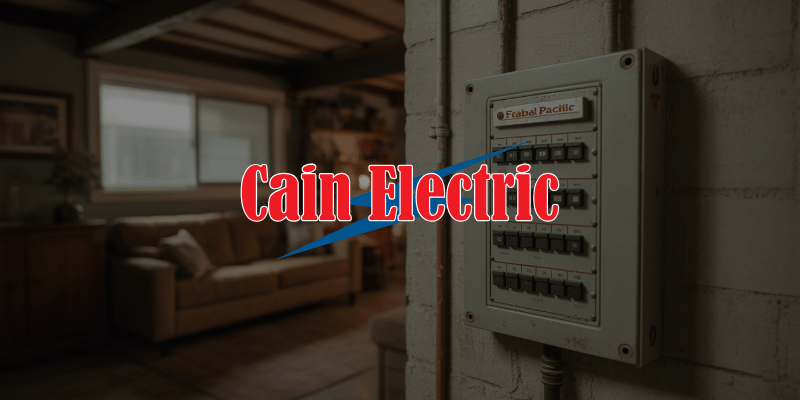
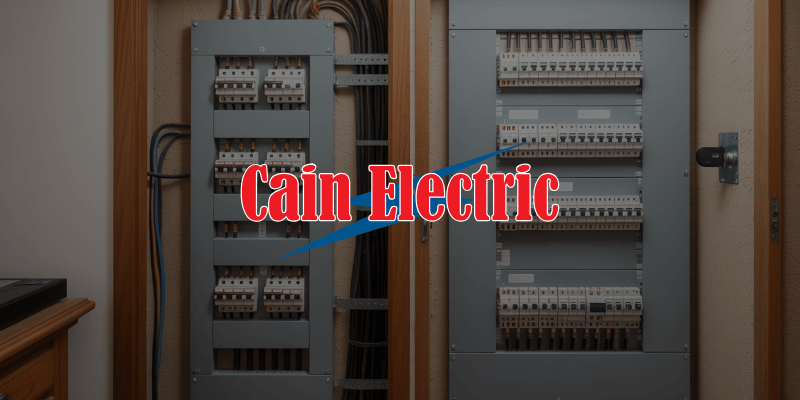
Before any installation, you’ll need to determine if your panel can handle the additional load of an EV charger.
Things to consider:
- Main panel amperage: Most homes have 100–200 amp service. A 50-amp EV charger will likely require 200 amp service if your home has many appliances.
- Available breaker slots: Your panel needs space for a dedicated 2-pole breaker.
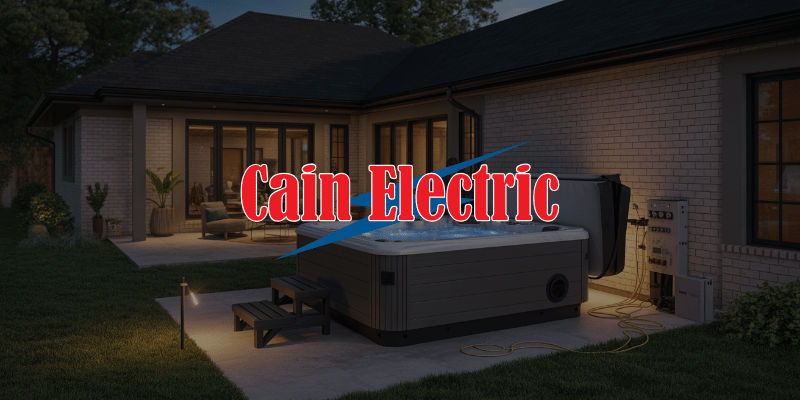
- Existing electrical load: Large appliances, HVAC systems, hot tubs, and older panels may leave little room for expansion.
If your panel is undersized or outdated, Cain Electric can upgrade it as part of your EV charger installation.
Learn more about our EV Charger Installation Services.
3. Choose Your Charger Type
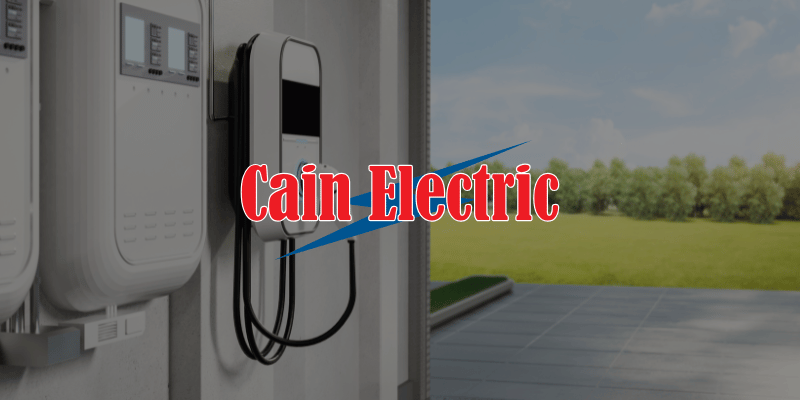
You'll need to decide between a plug-in charger or a hardwired charger.
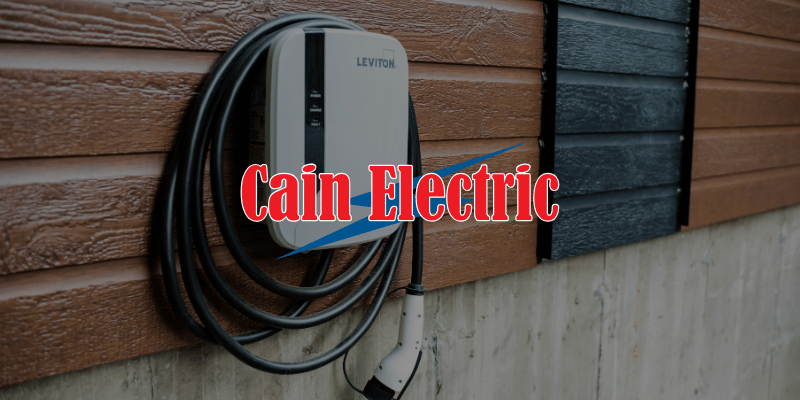
- Plug-in charger: Uses a NEMA 14-50 outlet. Can be unplugged or moved. Requires GFCI protection.
- Hardwired charger: Permanently connected to your panel. Offers better weather resistance and often qualifies for rebates.
Both options work well — it depends on your vehicle, future plans, and whether you're installing indoors or outdoors.
4. Get the Right Permits
In Missouri, installing a Level 2 charger requires a permit in most jurisdictions. Cain Electric handles this for you, including:
- Filing the permit application
- Scheduling the electrical inspection
- Ensuring GFCI protection and dedicated circuits are code-compliant
- Verifying load capacity and panel condition
Skipping the permit process can void your insurance or cause trouble when selling your home.
See our full guide to electrical permits in Missouri.
5. Plan Your Parking and Charging Location
The physical layout of your garage or driveway plays a major role in your charger installation. Consider:
- Distance from your panel: Shorter runs reduce cost and voltage drop.
- Indoor vs. outdoor mounting: Outdoor installs require weatherproof enclosures.
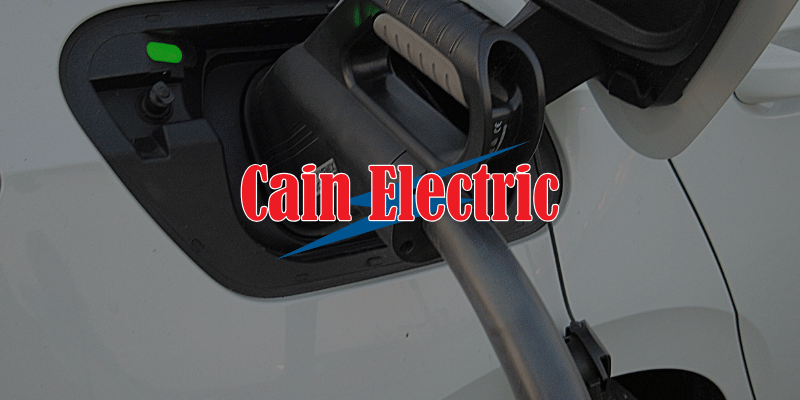
- Cable length: Most chargers have 18–25 ft cables — make sure it reaches your charge port.
- Wall space: Wall-mounted chargers should be positioned where they won't be damaged or obstructed.
- Vehicle clearance: Some EVs have charge ports in different locations (front, side, rear) — plan for convenience.
Cain Electric can advise on placement during a free on-site consultation.
6. Prepare for Future EVs and Load Management
If you plan to own multiple EVs in the future — or want to keep your options open — think ahead:
- Install a larger circuit (e.g., 60 amps) now, even if your current car only needs 32 amps.
- Use a charger with load-sharing features if you may add a second EV.
- Consider a smart panel or energy monitor to track usage and avoid overloading.
We help homeowners build charging setups that can grow with their needs — not just solve today's problem.
7. Ask About Rebates and Incentives
Some Missouri utility companies offer rebates for installing Level 2 EV chargers. Programs may require:
- Proof of licensed installation
- Approved charging equipment
- Load management features or off-peak use
- Coordination with utility inspections or smart meter data
Cain Electric stays up to date with these programs and can guide you through the paperwork if any rebates are available in your area.
8. Don’t DIY It — Here's Why
EV charger installations require careful attention to:
- Breaker sizing
- Conductor and conduit selection
- GFCI and surge protection
- Proper labeling and torque specifications
- Local code and inspection requirements
DIY or unlicensed installs can create serious hazards, including electrical fires, shock risks, and panel overloads.
Cain Electric’s licensed electricians ensure every install is safe, neat, and fully compliant with the 2023 National Electrical Code (NEC).
9. Combine with Solar or Generator Systems
Many homeowners ask us if they can integrate EV charging with solar power or whole-home generators. The answer is: yes — but it must be done carefully.
We assess:
- Load capacity during outages (some generators can’t support EV charging)
- Solar inverter configuration
- Battery storage compatibility
- Smart energy flow controls
Whether you’re planning solar or already have backup power installed, we’ll make sure your EV charging setup fits seamlessly.
Learn more about our Solar Services.
Explore our Generator Services.
Ready to Charge? We’ll Get You Plugged In
Adding an EV charger is one of the smartest home upgrades you can make — but only if it’s done right.
Cain Electric makes the process simple, safe, and worry-free. We offer:
- Panel load evaluations
- Charger recommendations
- Permit handling
- Professional installation
- Coordination with solar and backup systems
We serve homeowners across Franklin County and the surrounding region — from Pacific and Union to Wildwood, Washington, and Eureka.