What’s Draining Power in Your Home? How to Identify Phantom Loads and Save on Your Bill

Have you ever looked at your electric bill and thought, "How am I using this much power?" You're not alone — and the culprit might be something you don’t even notice: phantom loads.
Also known as standby power or vampire power, phantom loads are small amounts of electricity consumed by appliances and devices even when they're turned off. These hidden energy leaks can add up quickly, costing Missouri homeowners hundreds of dollars per year.
In this article, we’ll explain what phantom loads are, how to find them, and how Cain Electric can help you reduce energy waste through smarter electrical planning.
What Are Phantom Loads?
A phantom load is any device that continues to draw power even when it's turned off or not actively being used. This includes:
- TVs and sound systems in standby mode
- Microwaves and ovens with digital clocks
- Coffee makers with timers or warming plates
- Desktop computers and monitors left on sleep mode
- Printers, modems, and routers
- Phone and laptop chargers plugged in with no device attached
- Game consoles and cable boxes
- Smart speakers and assistants
- Older appliances with mechanical timers or pilot lights
These devices don’t consume a lot individually, but combined across your home and used year-round, they can account for 5 to 10 percent of your electric bill — sometimes more.
How Much Is It Costing You?
Let’s look at a few common examples:
- A cable box in standby mode can use 20 to 30 watts continuously
- A modern flat-screen TV in sleep mode can use 10 watts or more
- A laptop charger plugged in with no laptop attached can draw 2 to 5 watts
- A coffee maker with a clock might draw 1 to 2 watts 24/7
- Game consoles like Xbox or PlayStation can pull 15+ watts even when off
If you have a dozen or more devices like this plugged in, you could be using 100 to 300 watts around the clock — that’s the equivalent of running a lightbulb in every room, all day, every day.
How to Identify Phantom Loads in Your Home
Finding phantom loads doesn’t require special tools — though they can help. Here’s how to start:
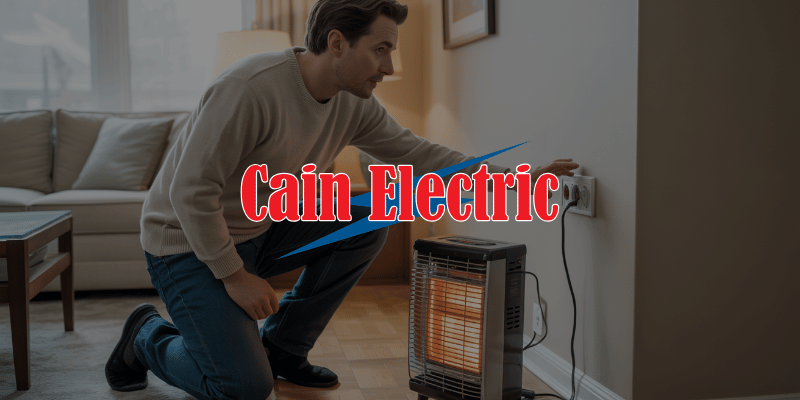
Unplug everything that doesn’t need to stay on all the time (like your toaster, coffee maker, or game console). Wait a day, then check your electric meter or smart home usage data to see if there’s a drop.
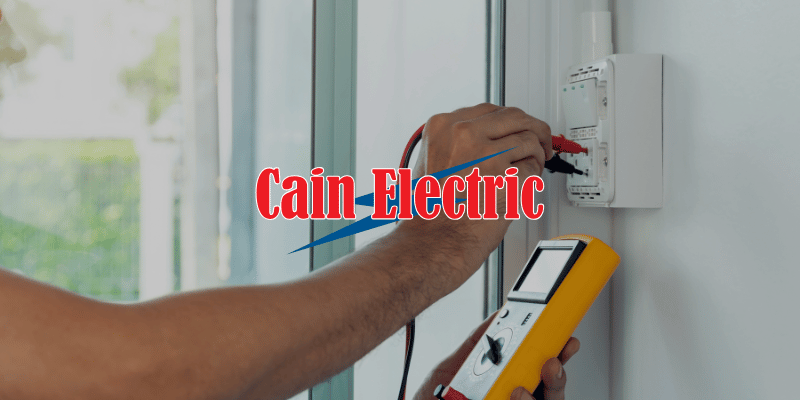
Use a plug-in energy meter (like the Kill A Watt device) to measure how much energy specific devices draw when turned off. Many Missouri libraries even lend these out for free.
Check your smart panel or utility dashboard if available. Some smart electrical panels or utilities like Ameren provide detailed hourly usage graphs that help you spot consistent overnight usage when everything should be off.
Look for clusters of electronics in entertainment centers, home offices, or kitchens — these are common hotspots for energy leaks.
How to Eliminate or Reduce Phantom Loads
You don’t have to live like you're off-grid to cut phantom load waste. Here are a few easy fixes:
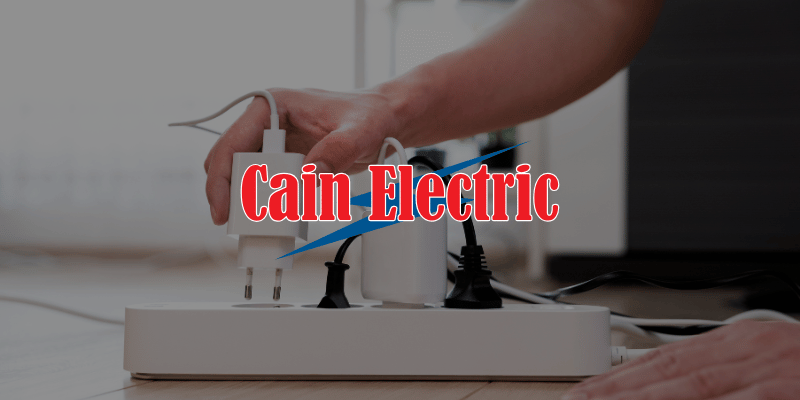
Plug electronics into smart power strips. These turn off power to everything except one “always-on” device (like a router or modem) when the main device is turned off.
Unplug infrequently used chargers, printers, or small appliances. If it’s not in use daily, it doesn’t need to be plugged in all the time.
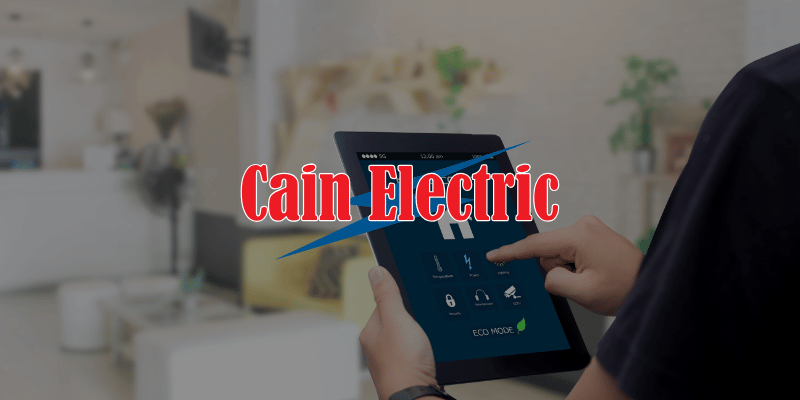
Use smart plugs with scheduling features. These let you control outlets from your phone or set timers for devices that don’t need to run 24/7.
Consolidate and replace outdated electronics. Older TVs, audio receivers, and kitchen appliances tend to use more standby power than newer Energy Star–rated ones.
Add a smart panel or energy monitor. Smart panels and whole-home energy monitors can show you exactly which circuits are using the most power, even at night.
Learn more about our smart electrical upgrades.
When to Consider Electrical Upgrades
If phantom loads are just one part of a larger energy problem — frequent high bills, overloaded circuits, flickering lights — it may be time to evaluate your electrical system.
Cain Electric can help with:
- Circuit rewiring or splitting to better distribute loads
- Panel upgrades to support modern appliances and solar integration
- Dedicated circuits for large devices so they can be shut down independently
- Smart panel installation for real-time energy monitoring
- Surge protection to safely manage power fluctuations
If you’re planning to add a generator, solar system, EV charger, or battery, this is the perfect time to plan for smart load management.
Explore our solar and generator services to see how we optimize power usage.
Missouri Homeowners We’ve Helped
We recently worked with a homeowner in Pacific who had persistent high electric bills despite having LED lighting and efficient HVAC. After installing a smart energy monitor, we found that several home office devices and entertainment equipment were drawing nearly 180 watts overnight — more than $200 per year in phantom load costs.
By moving those devices to two smart power strips and adding a hardwired GFCI circuit for the refrigerator and freezer, we were able to cut that number in half with minimal disruption.
Why Work With Cain Electric?
We go beyond basic wiring and panel work. We help Missouri homeowners build smarter, safer, and more efficient homes by:
- Diagnosing hidden energy issues
- Designing smarter circuit layouts
- Installing energy-saving technologies
- Educating you on long-term savings and safety
We serve clients across Wildwood, Eureka, Union, Pacific, Washington, and surrounding towns — always with an eye on practical upgrades that pay off.
Ready to Stop Paying for Power You’re Not Using?
Cain Electric can help you take control of your home’s energy usage — whether that means unplugging a few phantom loads or building a smarter, more efficient power system from the panel up.
Contact us today to schedule your in-home energy consultation.