
Why Your Breaker Panel Shouldn’t Be in a Closet (and Other Code Violations We See in Missouri Homes)

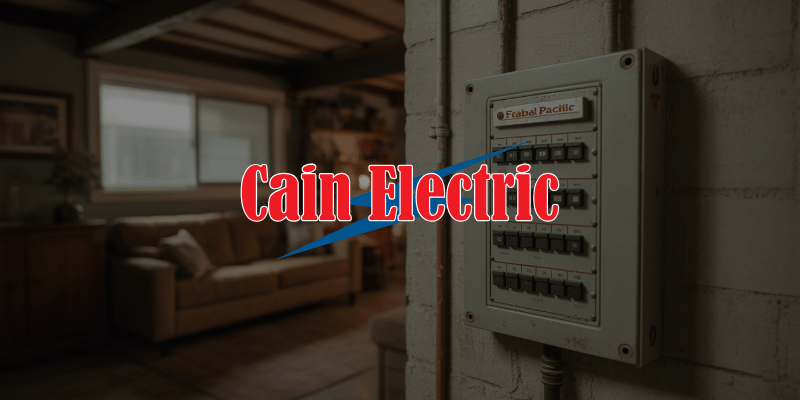
If you’ve ever opened a breaker panel hidden behind coats in a hallway closet, you're not alone — but that setup isn’t just inconvenient. It’s a code violation, and in some cases, a serious fire hazard.
At Cain Electric, we see these kinds of issues all the time in homes across Missouri. Many of them seem minor but could pose real risks to your home’s safety and function. Whether you're buying an older house, preparing for an inspection, or renovating, understanding these common violations could save you from costly mistakes.
This article walks you through the most frequent electrical code violations we encounter in Missouri homes — starting with one of the worst offenders: breaker panels installed in closets.
Why Closet-Mounted Breaker Panels Are a Problem
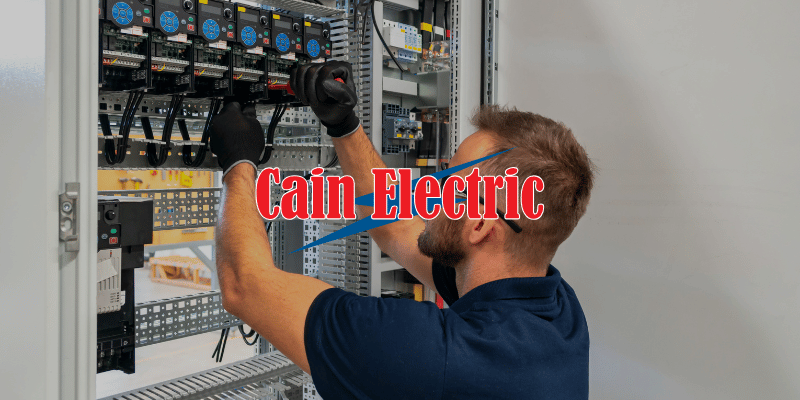
According to the National Electrical Code (NEC), breaker panels are not allowed in clothes closets or anywhere flammable materials may be stored. That includes linen closets, wardrobes, or storage rooms packed with boxes and household clutter.
Why it matters:
- Breakers can spark or arc during failure
- Closets are often tight and filled with flammable materials
- Lack of ventilation increases heat buildup around the panel
- It creates an access hazard during emergencies
Beyond fire risk, closet-mounted panels often violate clearance requirements, meaning electricians or inspectors can’t access them safely or legally.
If your panel is in a closet, Cain Electric recommends relocating it as part of a full panel upgrade.
Explore our residential electrical services here.
Required Clearance Around Electrical Panels
Many Missouri homes, especially older ones, fail to meet clearance rules. According to code, electrical panels must have:
- 30 inches of width clearance (15 inches on each side of the panel)
- 36 inches of depth clearance in front
- 78 inches of vertical clearance from the floor
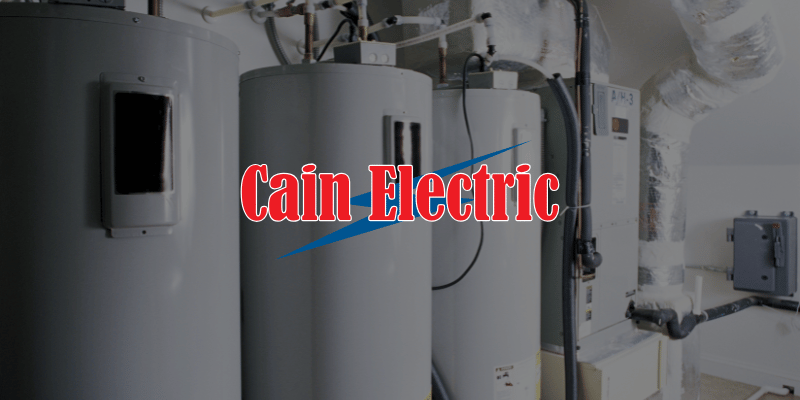
Panels installed behind water heaters, under stairwells, in tight corners, or behind furniture are all violations.
This isn’t just about following code — it’s about ensuring emergency responders or technicians can work safely during a crisis or repair.
DIY Wiring and Unpermitted Additions
Missouri homeowners love their DIY projects — but electrical isn’t the place to experiment.
We frequently find:
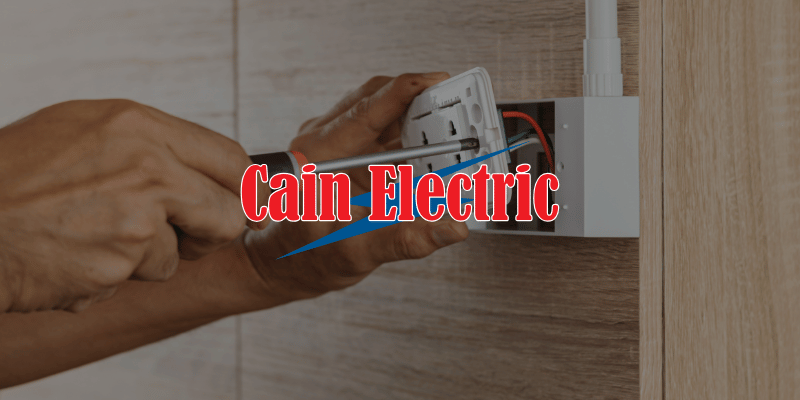
- Circuits added without permits or inspections
- Mismatched wire sizes and breaker ratings
- Improper connections without junction boxes
- Non-GFCI outlets near sinks or exterior walls
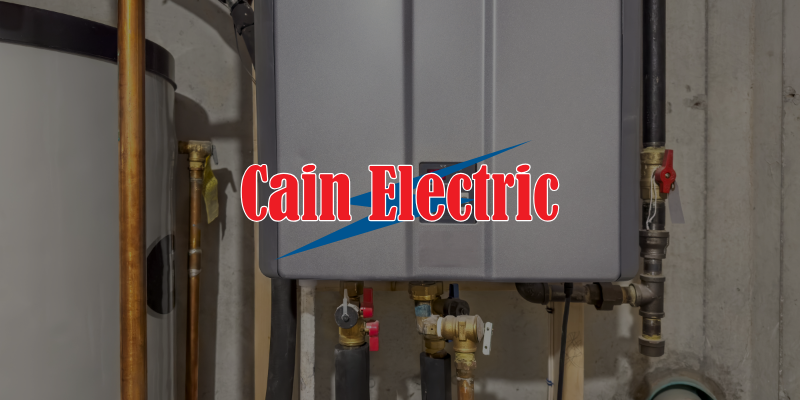
- Missing bonding on metal piping or water heaters
While you might save a few bucks doing things yourself, DIY electrical work often results in expensive corrections when it’s time to sell, renovate, or get insurance.
If you’re unsure whether your home’s wiring was done to code, schedule a safety inspection with Cain Electric before it causes bigger problems.
Extension Cords Used as Permanent Wiring
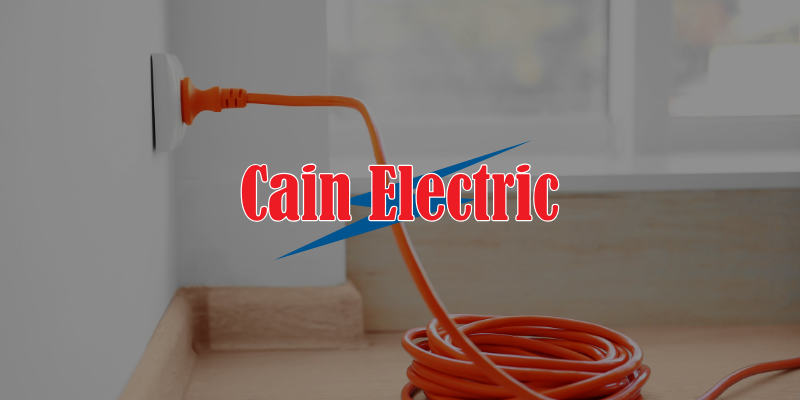
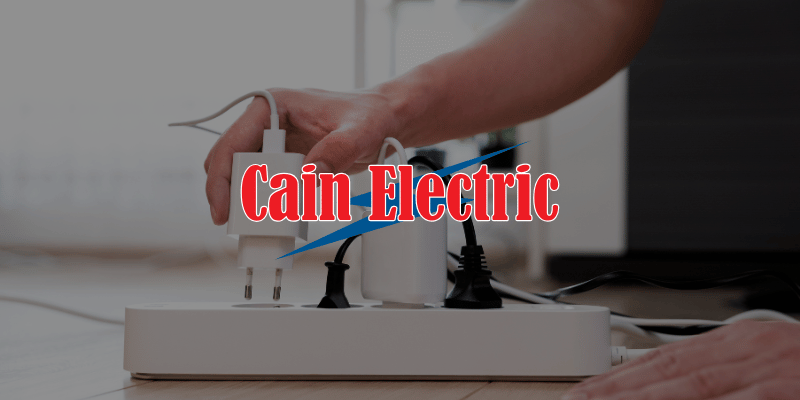
Using extension cords for daily appliances or even permanent lighting is extremely common — and extremely dangerous.
Extension cords are not rated for long-term use and can:
- Overheat behind furniture or under rugs
- Lead to voltage drops and equipment damage
- Cause arcing and fire when insulation wears out
If you find yourself using extension cords because there aren’t enough outlets in a room, it’s time to install permanent, code-compliant outlets instead.
We offer safe, affordable circuit and outlet additions across Wildwood, Eureka, Union, Pacific, Washington, and surrounding Missouri towns.
Improper Grounding and Bonding
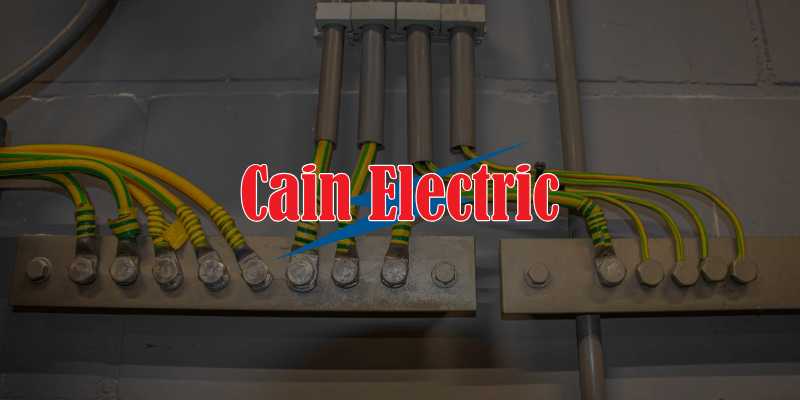
Grounding is what safely redirects electrical faults into the earth — keeping your family and devices safe. Bonding connects metallic systems (like water lines or gas pipes) to the same ground potential, preventing shock hazards.
Common problems we find:
- Outdated grounding rods or missing clamps
- Ground wires cut, missing, or terminated improperly
- Ungrounded outlets showing “hot” but no return path
- New copper pipes bonded to old aluminum without proper connectors
These issues can increase shock risk, affect appliance performance, and cause inspection failures — especially when upgrading systems like water filtration, generators, or solar panels.
Learn more about our grounding and bonding services.
Missing or Inadequate GFCI and AFCI Protection
Modern code requires Ground Fault Circuit Interrupters (GFCIs) and Arc Fault Circuit Interrupters (AFCIs) in many areas of the home, including:
- Bathrooms
- Kitchens
- Laundry areas
- Outdoor outlets
- Garages
- Bedrooms (AFCI)
GFCIs help prevent electrocution by tripping when they detect leakage current. AFCIs trip when they detect arcing — a major cause of electrical fires.
Older homes often lack these safety devices entirely. Cain Electric can retrofit modern breakers or install GFCI/AFCI outlets as needed to bring your home up to current standards.
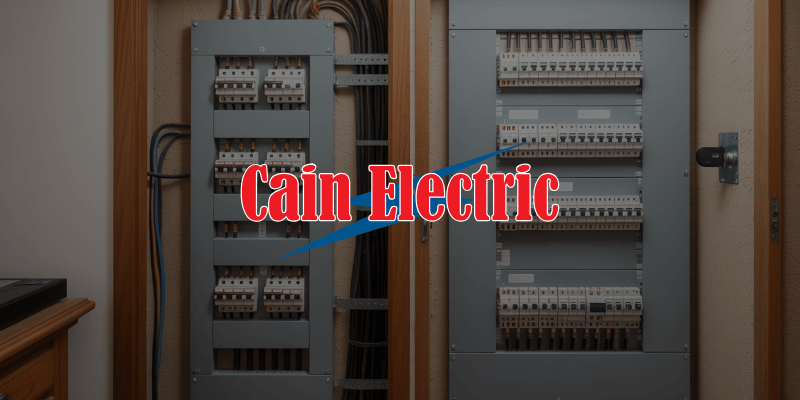
Outdated or Unsafe Electrical Panels
Many homes built between the 1950s and 1980s still have panels that are now considered unsafe due to design flaws or manufacturer defects. The worst offenders include:
- Federal Pacific Electric (FPE)
- Zinsco / Sylvania
- Challenger
- Pushmatic
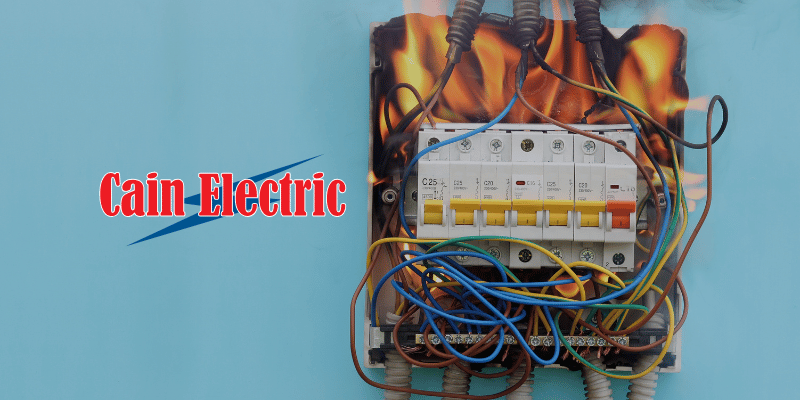
These panels are known to fail during overload conditions, creating a serious fire hazard.
If your home has one of these panels, upgrading should be a priority — even if everything seems to be working fine.
Explore our panel upgrade services here.
Lack of Permits or Inspection Records
If you bought a home and never received documentation for past electrical work, it’s smart to schedule a professional evaluation.
Unpermitted work often includes:
- Undersized service wires
- Unlabeled circuits
- Mixed neutral and ground wires on the same bus bar
- Improper splicing without accessible junction boxes
We can assess your panel, circuit layout, and wiring for safety and code compliance — and make necessary corrections if needed.
What Happens If You Ignore Code Violations?
Electrical code violations aren’t just a red mark during home inspections — they can:
- Jeopardize your homeowner’s insurance coverage
- Increase the risk of house fire or electrical shock
- Lead to failed renovation permits
- Reduce resale value or delay closing when selling
At Cain Electric, we help Missouri homeowners bring their systems up to code safely and affordably, without the scare tactics.
Cain Electric Makes It Right the First Time
We’ve seen it all — from extension cords used in basements for decades to panels hidden in broom closets. Our licensed electricians provide:
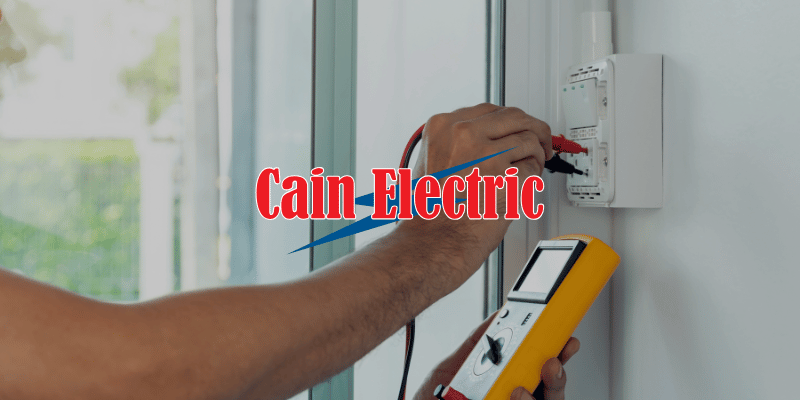
- Safety inspections and code compliance audits
- Full panel and breaker upgrades
- Outlet and circuit additions
- GFCI and AFCI protection installation
- Safe grounding and bonding corrections
Whether you need a simple fix or a complete system upgrade, we’ll walk you through your options with honesty and expertise.
Reach out to Cain Electric to schedule your home electrical evaluation today.