How to Tell If Your Electrical Panel Is Too Small for Modern Appliances

If your lights dim when the microwave runs, your breaker trips when the dryer starts, or your home just feels like it struggles to keep up with modern life, your electrical panel may be too small.
Many homes in the St. Louis area, especially in Washington, Union, Eureka, and surrounding communities, were built decades ago. Back then, families had fewer appliances, no EV chargers, no large HVAC systems, and certainly no home offices packed with electronics.
Today, the average household uses far more electricity. If your panel was designed for a different era, it may be reaching its limit.
Here’s how to tell.
What Does Your Electrical Panel Actually Do?
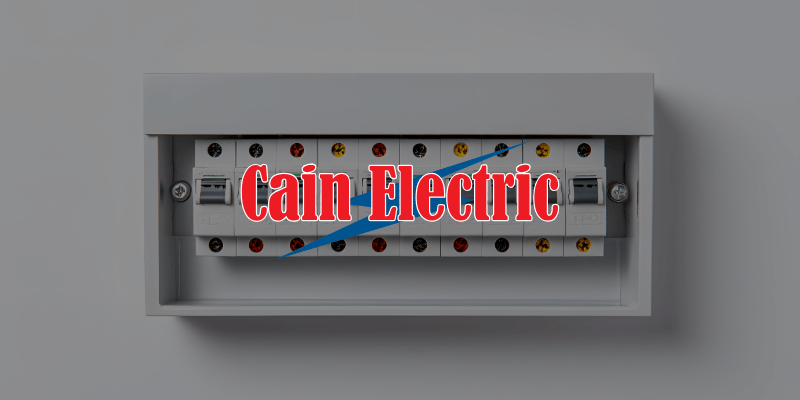
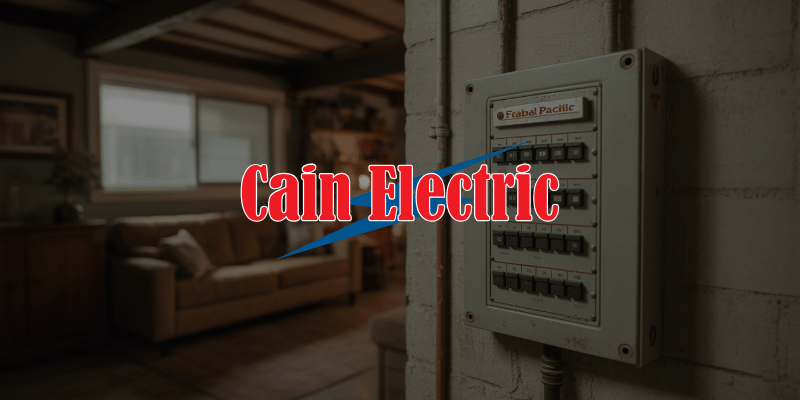
Your electrical panel is the control center of your home’s electrical system. It distributes power from the utility company to every circuit in your house.
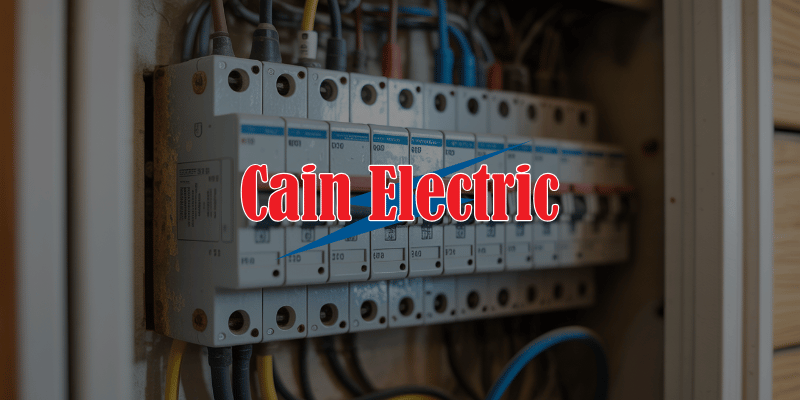
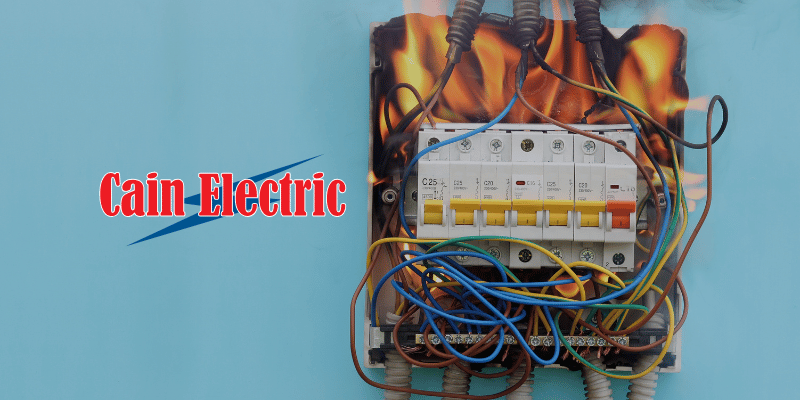
Inside the panel are breakers. Each breaker protects a specific circuit from overload. When a breaker trips, it is stopping wires from overheating and potentially causing a fire.
If the panel itself is undersized, you may constantly run into issues because it cannot safely handle the electrical demand your home now requires.
If you are unsure about the overall condition of your system, a professional inspection by a licensed residential electrician can help identify limitations and safety concerns before they become emergencies. You can learn more about residential electrical services here: https://www.cainelectricstl.com/residential-electrician/
Sign #1: Breakers Trip Frequently
Occasional breaker trips happen. Frequent breaker trips are different.
If you notice:
- The kitchen breaker trips when multiple appliances run
- The bathroom breaker trips when using a hair dryer
- The breaker for your HVAC system trips during extreme weather
Your panel may be maxed out.
Modern appliances draw significantly more power than older systems were designed to support. When multiple high-demand devices run at once, your panel may not have enough capacity to supply them safely.
Sign #2: You Only Have 100 Amp Service
Many older Missouri homes still operate on 100 amp service. While that may have been sufficient decades ago, it is often inadequate for:
- Electric dryers
- Electric ranges
- Tankless water heaters
- EV chargers
- Hot tubs
- Large HVAC systems
Today, most new homes are built with 200 amp service.
If you are not sure what size service your home has, the rating is typically printed on the main breaker. If your home still has 100 amp service and you are adding major appliances, it may be time to evaluate an upgrade.
We will cover the 100 amp vs 200 amp comparison in detail in our next article.
Sign #3: You’re Planning a Major Upgrade
Certain projects almost always require more electrical capacity.
For example:
- Installing an electric vehicle charger
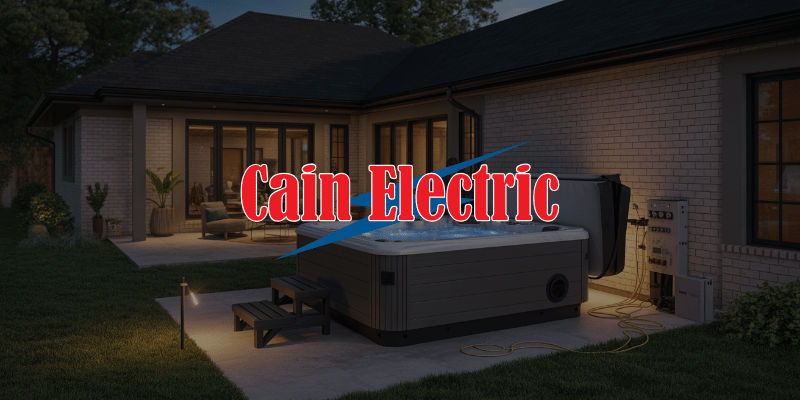
- Adding a hot tub
- Finishing a basement
- Converting from gas to electric appliances
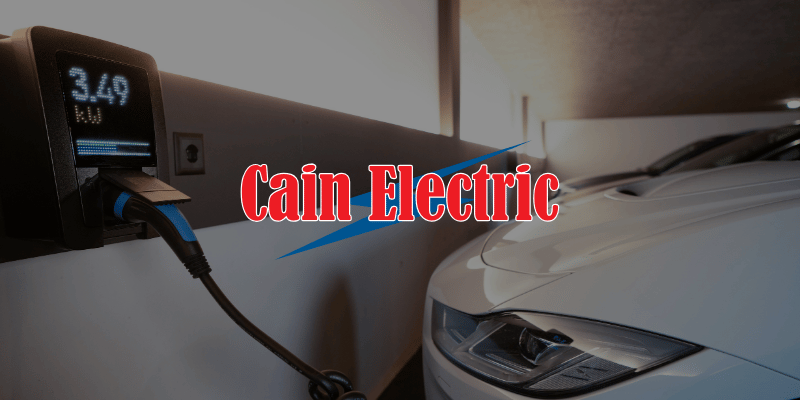
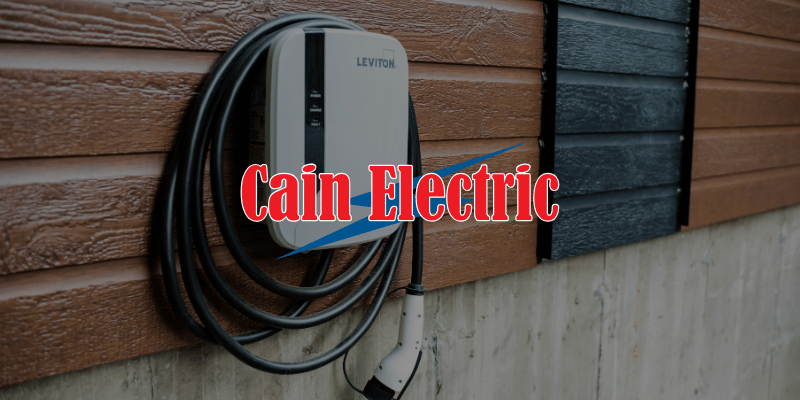
If you are considering an EV charger installation in the St. Louis area, you can review service details here: https://www.cainelectricstl.com/electric-car-charger-installation/
Many EV chargers require a dedicated 240-volt circuit. In some homes, adding that circuit pushes the panel beyond its safe limit.
Sign #4: Your Panel Is Completely Full
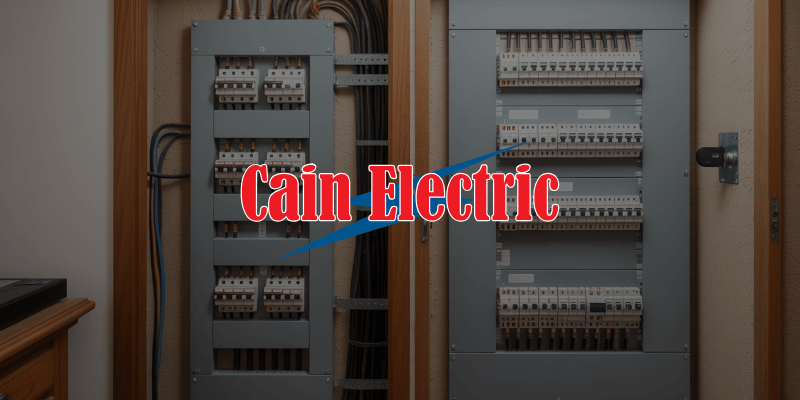
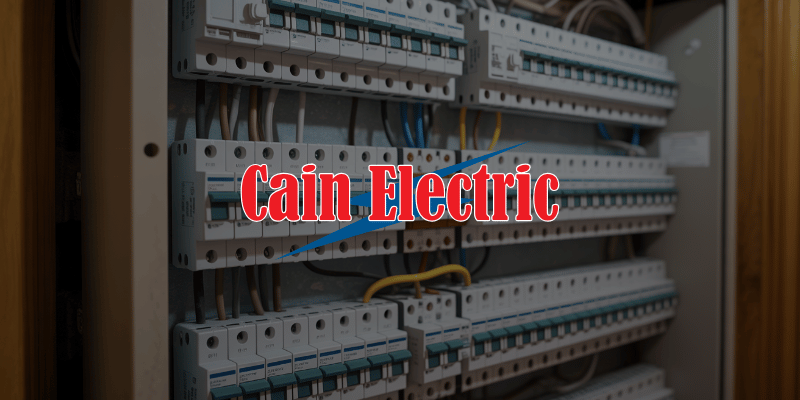
Open your panel door. Are all breaker slots filled?
If there is no room for additional circuits, homeowners sometimes resort to double-tapping breakers or using tandem breakers. These are not always safe long-term solutions.
A full panel does not automatically mean it is overloaded. But it does mean you have no room for expansion. If your lifestyle is changing, your panel may need to change with it.
Sign #5: Lights Dim When Appliances Start
If lights dim when the air conditioner kicks on or when the refrigerator compressor starts, that is a sign of strain.
Minor momentary dimming can happen. But consistent dimming indicates your electrical system may be struggling to deliver enough power.
This is especially common in older homes in areas like Washington and Union where original electrical systems were never upgraded.
Sign #6: You Still Have a Fuse Box
If your home still operates on a fuse box instead of a breaker panel, it is almost certainly undersized for modern electrical demand.
Fuse systems were common in homes built before the 1960s. They were not designed to handle today’s appliance loads.
If you still have a fuse system, a panel replacement should be strongly considered for both safety and capacity reasons.
Why This Matters for Missouri Homes
Missouri weather adds additional strain to electrical systems.
Hot summers mean heavy air conditioning usage. Cold winters mean electric space heaters, heating systems, and higher overall demand. Storms increase the risk of surges and interruptions.
If your system is already undersized, extreme weather pushes it even harder.
If your home has recently experienced storm-related electrical issues, professional evaluation is critical. You can review storm-related electrical repair services here: https://www.cainelectricstl.com/storm-damage-repair/
The Risks of Ignoring an Undersized Panel
An undersized panel does more than cause inconvenience.
It can lead to:
- Overheated wiring
- Melted breaker connections
- Increased fire risk
- Damaged appliances
- Reduced home resale value
When breakers trip repeatedly, some homeowners attempt temporary fixes instead of addressing the root cause. That can create dangerous conditions.
Electrical panels are not something to gamble with.
When Is It Time for a Panel Upgrade?
You should seriously consider a panel upgrade if:
- Your home still has 100 amp service and you are adding major appliances
- Your breakers trip weekly or monthly
- Your panel is more than 25–30 years old
- You are remodeling or adding square footage
- You are installing solar, a generator, or an EV charger
Upgrading to 200 amp service gives your home room to grow.
It allows you to run modern appliances without constant breaker trips and improves overall safety.
What a Panel Upgrade Involves
A panel upgrade typically includes:
- Replacing the existing breaker panel
- Installing a new main breaker rated for higher capacity
- Upgrading service wiring if required
- Ensuring proper grounding and bonding
- Coordinating with the local utility company
It is not a DIY project. It requires permitting and inspection to ensure everything meets current electrical code standards.
Is It Worth the Investment?
For most homeowners planning upgrades, the answer is yes.
A properly sized panel:
- Reduces nuisance breaker trips
- Supports EV chargers and generators
- Increases property value
- Improves electrical safety
- Provides peace of mind
If your electrical system feels like it is constantly struggling, it probably is.
Not Sure Where You Stand?
If you live in Washington, Union, Eureka, St. Charles, or surrounding communities and suspect your electrical panel may be too small, the safest next step is a professional evaluation.
Cain Electric can assess your current service capacity, inspect your panel, and help you determine whether an upgrade makes sense for your home.
Contact us here to schedule an inspection: https://www.cainelectricstl.com/contact/
Upgrading your electrical panel is not just about convenience. It is about protecting your home and making sure your system can handle modern life safely and reliably.