What Size Generator Do I Need for a 1,500 Sq Ft Home in Missouri?

Power outages in Missouri aren’t rare — between summer storms, winter ice, and aging grid infrastructure, more homeowners are turning to whole-home generators for peace of mind.
One of the first questions we get at Cain Electric is:
“What size generator do I need for a 1,500 sq ft house?”
It’s a great question — but there’s more to sizing a generator than just square footage. Your electrical load, appliance choices, HVAC system, and backup goals all factor in.
Let’s break down what you really need to know — and help you confidently choose a generator that’s safe, effective, and ready for Missouri’s unpredictable weather.
Square Footage Is a Starting Point — Not the Final Answer
It’s tempting to use your home’s size to estimate generator needs. And while a 1,500 sq ft house is considered average in Missouri, your power needs may be anything but average.
Two homes with the same square footage might have vastly different loads depending on:
- HVAC type (electric vs. gas)
- Number and type of large appliances
- Whether the water heater is electric
- Use of sump pumps or well pumps
- Home office or shop equipment
- Number of refrigerators or freezers
- Smart home tech or security systems
That’s why Cain Electric performs a full electrical load assessment before recommending a generator.
Typical Generator Sizes for 1,500 Sq Ft Homes
Here’s a general idea of what generator sizes work for homes in the 1,200–1,800 sq ft range:
| Generator Size | What It Can Power |
|---|---|
| 8–10 kW | Essential circuits: lights, fridge, sump pump, outlets |
| 12–14 kW | Essentials + HVAC (1 system), water heater, small appliances |
| 16–18 kW | Most of the house (minus heavy luxury loads) |
| 20–22 kW | Full-home coverage, including AC, range, and laundry |
| 26 kW | Larger homes or high-demand systems (multiple HVAC units) |
In most 1,500 sq ft Missouri homes, 14–22 kW is the sweet spot, depending on how much you want to power during an outage.
See our Whole-Home Generator Installation Services.
What Appliances Will You Run During an Outage?
Think through your must-haves:
Essentials:
- Refrigerator and freezer
- Lighting
- Phone chargers / WiFi
- Sump pump / well pump
- Furnace blower
Optional Comforts:
- Microwave or range
- Water heater
- Garage door opener
- TV or computer
High-Draw Items:
- Central air conditioning
- Electric dryers or ranges
- Tankless water heaters
- Hot tubs or saunas
If you want to run everything, you’ll need a full-home generator with an automatic transfer switch and possible panel upgrades.
Do You Have Electric Heat or Gas?
If your furnace or water heater is natural gas or propane, your backup electrical needs will be lower.
But if you rely on electric baseboard heaters, electric water heaters, or heat pumps, your winter load could be double.
Cain Electric evaluates your HVAC system as part of our generator sizing process.
Do You Want Manual or Automatic Backup?
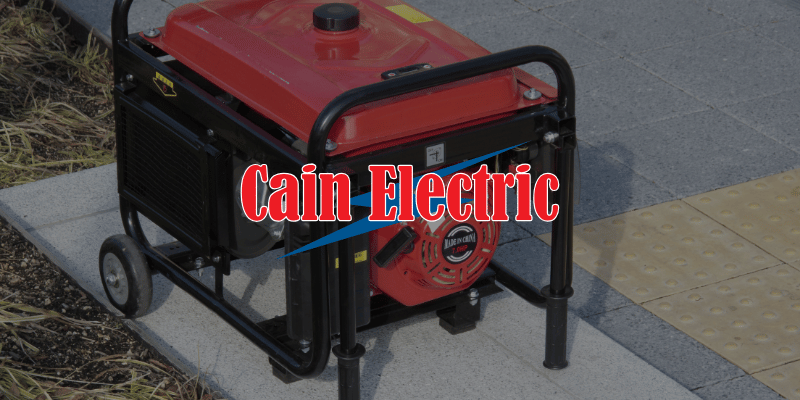
Manual Portable Generator:
- Connects with a cord and transfer switch or interlock
- Requires manual start and circuit selection
- Lower cost, but less convenient
Automatic Standby Generator:
- Starts within seconds of outage
- Powers pre-selected or whole-home circuits
- Quiet, self-testing, and fully automatic
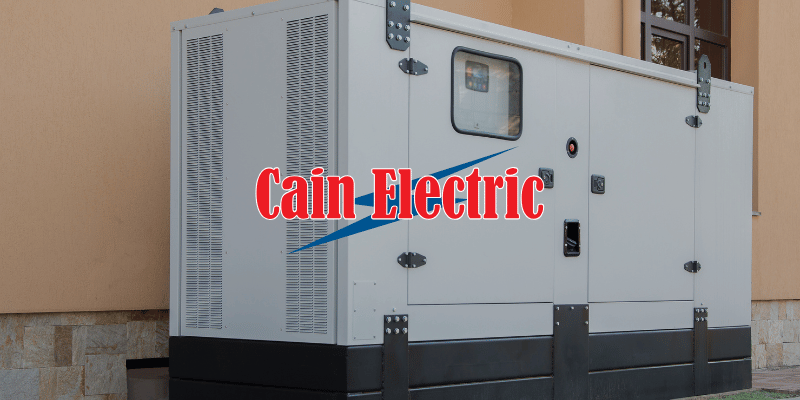
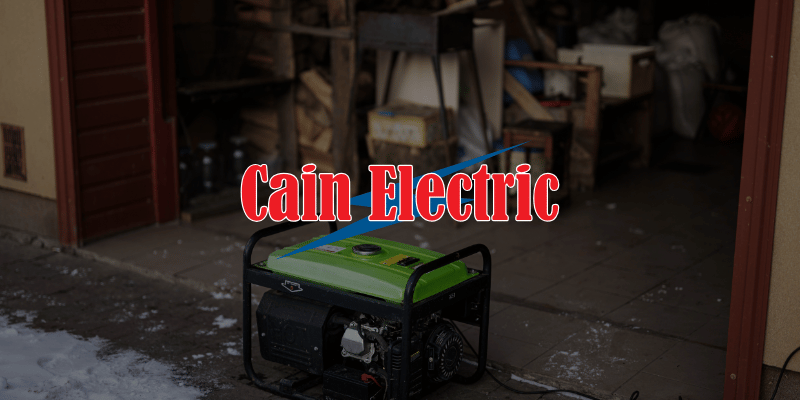
For most homeowners seeking worry-free operation, a standby generator in the 14–22 kW range is ideal.
What Fuel Will You Use?
Most whole-home generators in Missouri run on:
- Propane (LP): Stored in a tank onsite; reliable during outages
- Natural Gas (NG): Unlimited supply if utility lines are available
- Diesel: Less common for residential use; more typical for farms or commercial setups
Cain Electric installs and services both propane and natural gas systems. We’ll size the fuel supply line and ensure code compliance.
Can a Smaller Generator Work?
Yes — if you’re only looking to run essentials, a 10–12 kW generator might work. We can set up:
- A critical loads subpanel with just your must-haves
- A manual transfer switch for basic coverage
- A smaller propane tank or gas line
However, smaller systems don’t offer full-home comfort and may limit HVAC use during outages.
What Does a Generator Installation Include?
Cain Electric provides complete generator services in Wildwood, Pacific, Union, Eureka, Washington, and surrounding areas.
A typical installation includes:
- Generator sizing and selection
- Load assessment and permit filing
- Generator pad and electrical wiring
- Gas line installation (in coordination with plumber or gas company)
- Transfer switch installation
- Final inspection and system test
We also handle interlocks, subpanels, and solar/generator integrations if needed.
What If I Already Have Solar?
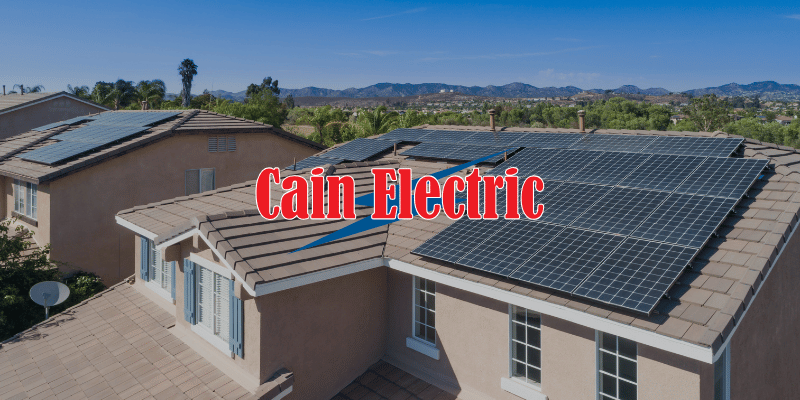
Great! But you still need a generator for overnight and cloudy-day outages unless you have a large battery bank.
We install generators that work with your solar system — using transfer switches and auto-sensing controls that avoid backfeed.
Read: Can You Combine Solar Power with a Backup Generator?
Let’s Size Your Generator the Right Way
Don’t buy the wrong size generator for your Missouri home. Too small, and you’ll be flipping breakers. Too big, and you’ll overpay on install and fuel costs.
Cain Electric takes the guesswork out by:
- Calculating your exact electrical load
- Recommending the right brand and size
- Coordinating fuel supply and permits
- Installing everything safely and to code
Serving Franklin County and beyond — we’re the trusted name for residential generator installs done right.