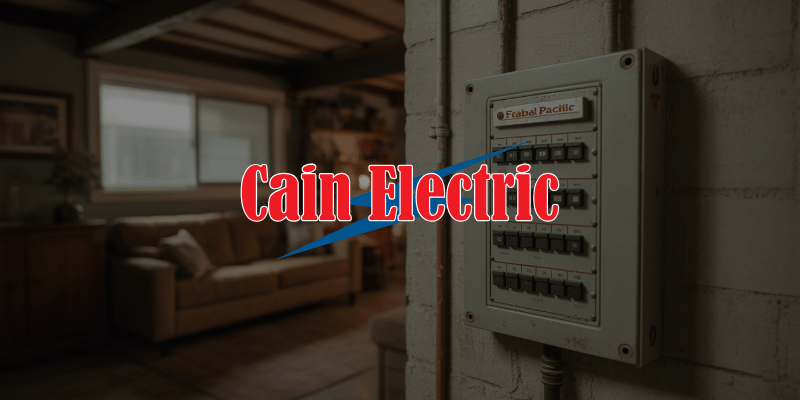
Federal Pacific Panels in Missouri Homes: Should You Replace Them?

If your home was built between the 1950s and 1980s in Washington, Union, Eureka, St. Charles, or the greater St. Louis area, there is a real possibility it still has a Federal Pacific electrical panel.
Most homeowners do not realize what brand of panel they have. They only find out when an electrician points it out during an inspection or when problems start to show up.
Federal Pacific Electric panels, often labeled FPE or Stab-Lok, have a long history of safety concerns. The big question Missouri homeowners ask is simple:
Do you need to replace it?
Let’s break this down clearly.
What Is a Federal Pacific Panel?
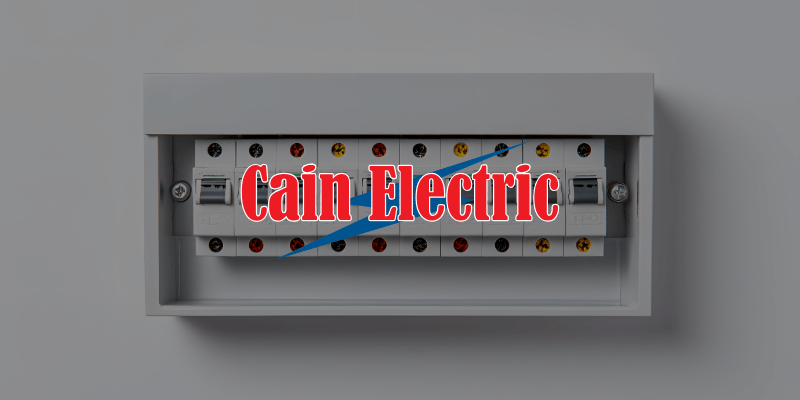
Federal Pacific Electric manufactured breaker panels that were widely installed in residential homes from the 1950s through the early 1980s.
The most common product line was called Stab-Lok.
At the time, these panels were inexpensive and widely distributed. Thousands of Missouri homes still have them installed today.
You can usually identify one by:
- The name Federal Pacific or FPE on the panel door
- The words Stab-Lok printed near the breakers
- A distinctive red breaker switch style
Many homeowners in older neighborhoods in Washington, Union, and surrounding communities are surprised to discover they still have one.
Why Are Federal Pacific Panels Considered Dangerous?
The concern is not just age. It is performance.
Multiple independent tests over the years have shown that some Federal Pacific breakers fail to trip when they should.
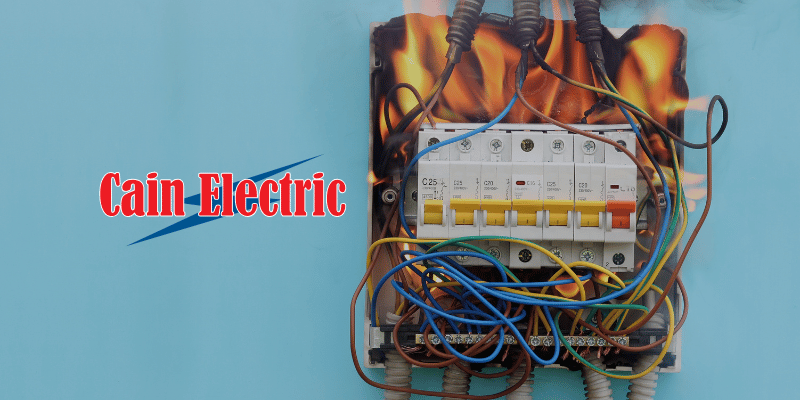
Breakers are designed to shut off power when a circuit overloads or shorts. If they fail to trip, wiring can overheat without protection.
That increases the risk of:
- Electrical fires
- Melted wiring
- Damaged appliances
- Shock hazards
The most troubling issue is that failure is not always obvious. A breaker may look normal from the outside while failing internally.
Are All Federal Pacific Panels Unsafe?
Not every Federal Pacific panel has failed. Many have operated for decades without visible problems.
The issue is unpredictability.
When a breaker’s primary job is to protect your home from overheating and fire, even a small percentage of failure risk becomes serious.
If your home still has an FPE panel, the real question becomes:
Is it worth taking the risk?
Signs Your Federal Pacific Panel May Be Failing
Some Missouri homeowners begin noticing symptoms before replacement becomes urgent.
Watch for:
- Breakers that feel loose
- Breakers that trip but do not fully switch off
- Lights dimming under moderate loads
- Warm panel surfaces
- Crackling sounds
- Burning smells
If you notice any of these issues, immediate inspection is recommended.
If you are unsure about your panel’s condition, a licensed residential electrician can evaluate your system and determine whether replacement is necessary: https://www.cainelectricstl.com/residential-electrician/
Why This Matters More in Modern Homes
When Federal Pacific panels were installed decades ago, homes used far less electricity.
Today, homes in Washington and surrounding areas often include:
- Electric dryers
- Large HVAC systems
- EV chargers
- Home office setups
- High-powered kitchen appliances
- Whole-home generators or solar integration
Older panels were not designed for this level of demand.
Even if the breakers functioned perfectly when installed, modern electrical loads can strain outdated systems.
Insurance and Resale Concerns
Another issue many homeowners discover is insurance.
Some insurance companies flag Federal Pacific panels as a liability. In certain cases, policies may require replacement before issuing or renewing coverage.
During home sales, buyers and home inspectors frequently call out FPE panels as safety concerns.
Replacing the panel before listing your home can remove a major obstacle during negotiations.
What Does Replacement Involve?
Replacing a Federal Pacific panel typically includes:
- Removing the existing panel
- Installing a modern breaker panel
- Replacing outdated breakers
- Updating grounding and bonding
- Bringing the system up to current code standards
In many cases, homeowners also choose to upgrade service capacity at the same time.
If your home still has 100 amp service, upgrading to 200 amp service during panel replacement may make sense long term.
Is It Dangerous to Wait?
Some homeowners ask whether they can simply monitor the situation.
Here is the challenge:
Breaker failure is not always visible. A breaker may appear to work normally until the moment it is needed most.
Electrical systems fail under stress. That stress often occurs during:
- Summer heat waves when air conditioners run continuously
- Winter cold snaps when heaters draw heavy load
- Severe storms common in Missouri
If your home has experienced storm damage or power surges, aging panels are even more vulnerable: https://www.cainelectricstl.com/storm-damage-repair/
Waiting may not cause immediate failure. But it does extend exposure to risk.
How Common Are Federal Pacific Panels in Missouri?
They are more common than most people think.
Many homes built in the 1960s and 1970s in St. Charles County, Franklin County, and Jefferson County still contain original panels.
Because they often remain hidden in basements or utility rooms, homeowners simply never look at them.
If your home was built during that era and has never had a panel upgrade, it is worth checking.
Should You Replace It Even If It Seems Fine?
From a purely risk management perspective, many electricians recommend replacement even if no symptoms are currently present.
The reasoning is simple:
- The known failure rate
- The age of the equipment
- The increased electrical demand of modern living
Panel replacement is an investment. But it is also a safety upgrade.
If you are unsure whether your panel is Federal Pacific, or if you want a professional opinion before making a decision, Cain Electric can inspect your system and provide clear guidance.
Schedule an evaluation here: https://www.cainelectricstl.com/contact/
Replacing an outdated panel is not about fear. It is about reducing preventable risk and ensuring your home’s electrical system can protect you when it matters most.