EV Charger vs Dryer Outlet: Why You Should Never DIY Your Home Charging Setup

If you’ve recently bought an electric vehicle in Missouri, chances are you’ve run across DIY advice suggesting you can plug your EV into a dryer outlet and call it a day. While it sounds convenient — and maybe even cost-effective — this approach is often unsafe, non-compliant, and potentially damaging to both your home and your vehicle.
At Cain Electric, we’ve seen firsthand what happens when DIY charging setups go wrong. In this article, we’ll break down why using a dryer outlet for EV charging is risky, explain the differences between proper EV chargers and appliance outlets, and walk you through safer, smarter alternatives.
What’s the Deal with Dryer Outlets?
Many older Missouri homes have a 240-volt outlet in the laundry room, typically a NEMA 14-30 or NEMA 10-30. Some newer dryers use a NEMA 14-50, which is the same plug type found on some Level 2 EV chargers.
Because these outlets provide higher voltage than a standard wall outlet, some EV owners assume they can safely plug their vehicle into the same circuit.
But here’s what they’re not being told:
- The circuit may not be rated for continuous high-current loads
- The wire gauge may be insufficient for sustained EV charging
- The outlet may lack GFCI protection, which is required in many garages
- Shared use with the dryer can overload the circuit
- Some outlets lack grounding (especially older NEMA 10-30 types)
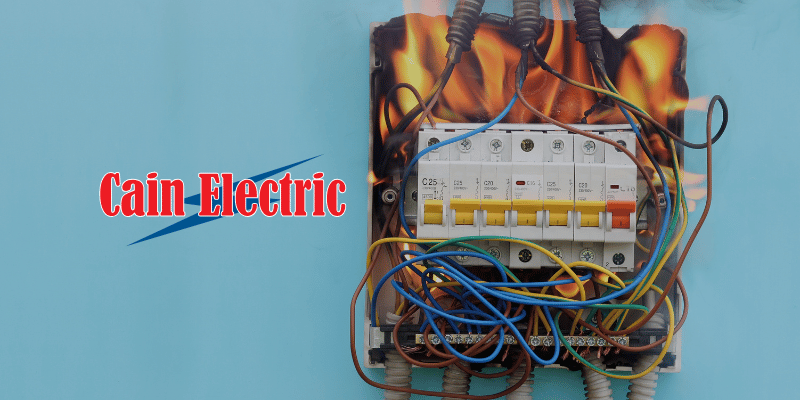
That means you're potentially violating electrical code — and more importantly, risking fire, breaker failure, or long-term damage to your EV.
EV Charging Load vs Dryer Load
Dryers use high power for short durations. EVs draw high power for hours.
A standard dryer might run for 30 to 45 minutes at a time, drawing 24 amps. In contrast, a Level 2 EV charger drawing 32 to 40 amps may run continuously for 6 to 10 hours.
Electrical code treats this kind of use as a continuous load, which means the circuit must be rated at 125% of the current draw. That’s why EV chargers on a 40-amp breaker must be limited to 32 amps — and why you can’t safely share that circuit with anything else.
Dryer circuits were never designed for this kind of load — and even if it works at first, it’s a ticking time bomb in terms of overheating and circuit degradation.
Other Problems With Dryer Outlet Charging
Let’s say you’ve plugged into the outlet and things seem to work. Here’s what else can go wrong:
No GFCI Protection
Modern code requires GFCI protection on most 240V outlets in garages or outdoor spaces. Most dryer circuits don’t have it, and without it, you risk electric shock if the EV or cable malfunctions.
No Dedicated Circuit
Sharing a circuit between a dryer and an EV charger is a no-go. Code requires EV chargers to be on a dedicated circuit, meaning nothing else is connected. If your dryer shares the circuit, you could trip breakers or create an overheating hazard.
Incorrect Breaker Size or Wire Gauge
Older dryer circuits may have undersized wire or outdated breakers that can’t handle the heat generated by EV charging. This can damage the wire insulation inside the walls — a hidden fire hazard.
Insurance and Inspection Issues
In the event of a fire or electrical failure, insurance companies may deny your claim if the EV charger wasn’t installed per code. DIY work almost always lacks proper permits and inspections.
What About Using Adapters?
There are countless aftermarket adapters on the market that claim to let you plug a Tesla or other EV into a dryer outlet safely. The problem? Most of them:
- Don’t comply with UL or NEC safety standards
- Bypass grounding or overload protection
- Require manual load sharing or guesswork
- Are not permitted by many EV manufacturers
One common example: using a Tesla mobile connector with a dryer outlet adapter and no GFCI protection. It may work, but it’s not safe — and it’s not how the system was designed.
The Right Way: Install a Dedicated EV Charging Circuit
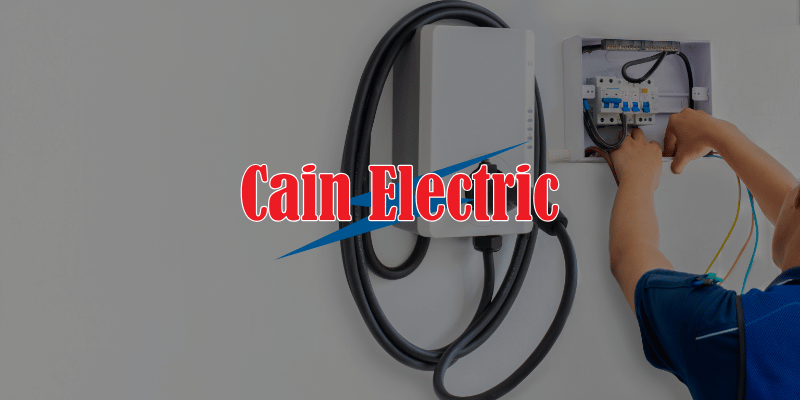
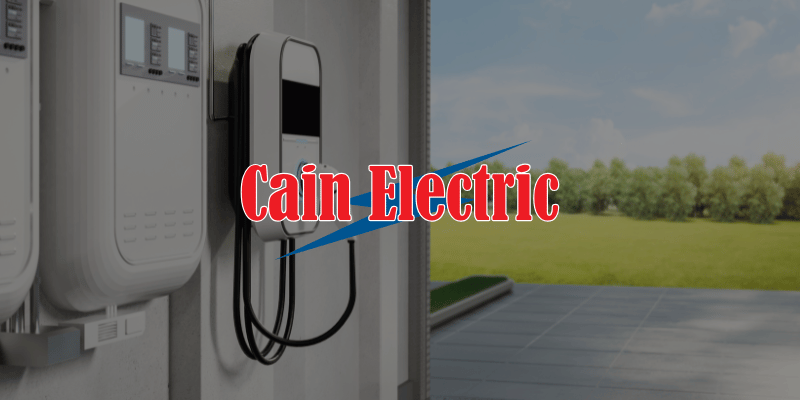
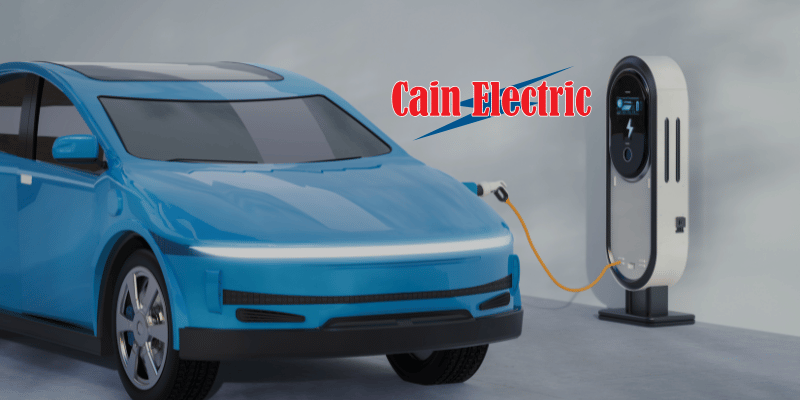
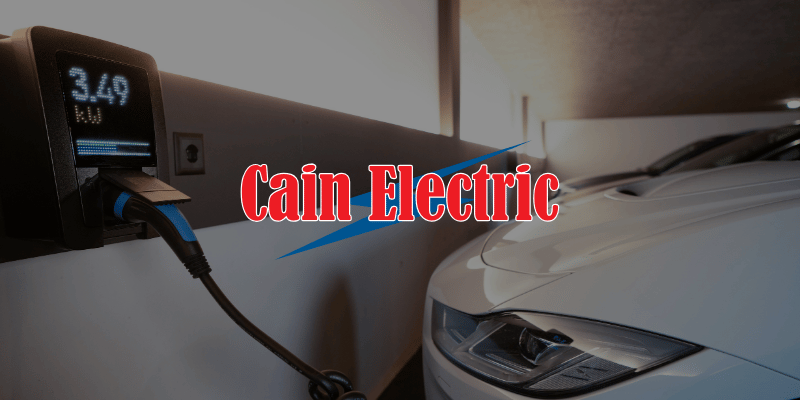
The safest and most efficient way to charge your EV at home is with a dedicated 240V circuit designed specifically for EV charging.
Cain Electric installs:
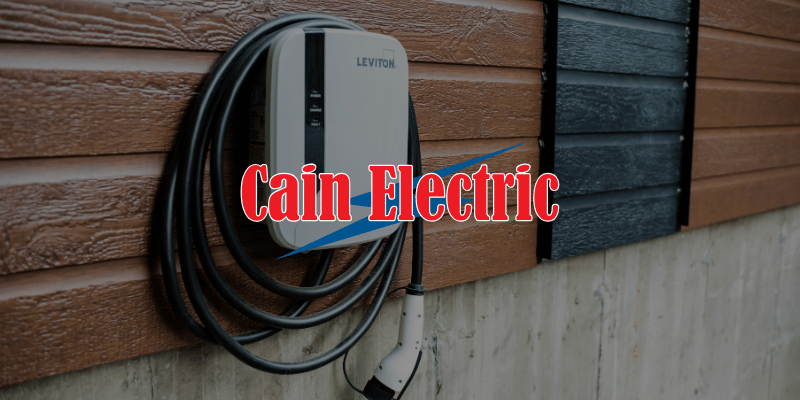
- NEMA 14-50 outlets with GFCI protection for plug-in chargers
- Hardwired Level 2 chargers (40–60 amps)
- Dedicated circuits sized for your vehicle and panel capacity
- Code-compliant wiring and breaker installation
- Panel upgrades if needed to support EV charging
- Load assessments for homes with solar, battery, or backup generators
Explore our EV charger installation services in Missouri.
Already Used a Dryer Outlet? What To Do Next
If you’ve been charging from a dryer outlet, don’t panic — but don’t keep doing it indefinitely.
We recommend:
- Scheduling an inspection of the outlet, wiring, and panel
- Installing a properly rated outlet or hardwired charger on a dedicated circuit
- Verifying that your charger setup includes GFCI protection and meets NEC code
- Considering a smart EV charger that adjusts amperage safely to protect your system
Cain Electric can upgrade your setup quickly, safely, and in compliance with Missouri code — no cutting corners.
Planning for the Future
Using a dryer outlet is a short-term solution. If you’re serious about EV ownership, you’ll want to charge faster, safer, and more reliably.
A properly installed Level 2 charger offers:
- Faster charging (25–40 miles per hour)
- Seamless overnight recharging
- Compatibility with any major EV brand
- Resale value as EV adoption grows
- Confidence that your system is safe and future-ready
If you're adding solar or planning a backup power system, Cain Electric can help design a charging setup that integrates with your overall energy goals.
Learn more about our solar and generator services here.
Cain Electric Makes It Simple and Safe
We’ve installed hundreds of EV chargers across Wildwood, Eureka, Union, Pacific, and Washington. Whether you’re driving a Tesla, Ford, Chevy, Rivian, or Hyundai, we know what it takes to build a charging solution that’s fast, safe, and built to last.
- Licensed electricians with EV experience
- Clear, up-front pricing
- Local permits and inspections handled for you
- Smart charger recommendations and setup
- Clean, reliable work done right the first time
Contact Cain Electric today to upgrade your EV charging safely.