
Planning a Home Addition? Here’s What Electrical Work Is Required

Adding square footage to your home in Pacific, Gray Summit, Union, Eureka, or anywhere in Franklin County is exciting.
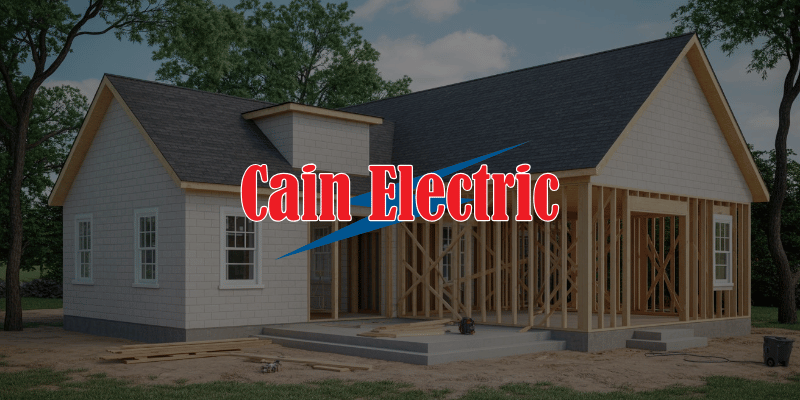
Whether you are building a new bedroom, expanding your living room, adding a sunroom, or constructing a master suite, a home addition increases comfort and property value.
But adding space also increases electrical demand.
Many homeowners focus on framing, roofing, and finishes. The electrical planning often gets treated as an afterthought.
That can lead to overloaded systems, breaker trips, and costly corrections after the project is complete.
Here is what electrical work is typically required when planning a home addition in Missouri.
Step One: Evaluating Your Current Electrical Capacity
Before any new wiring is installed, the first question is simple:
Can your existing electrical system handle the addition?
Home additions increase:
- Lighting load
- Outlet demand
- HVAC usage
- Appliance usage
- Overall square footage
If your home in Union or Pacific already operates near capacity, adding more circuits without evaluating service size can create strain.
A professional load calculation determines whether your current panel and service can support the expansion safely.
You can learn more about residential electrical evaluation here:
https://www.cainelectricstl.com/residential-electrician/
Adding New Circuits
Most home additions require new dedicated circuits.
Common additions include:
- Separate lighting circuits
- Receptacle circuits
- Dedicated circuits for mini-split HVAC units
- Bathroom GFCI circuits
- Outdoor outlet circuits
- Smoke and carbon monoxide detector integration
Simply extending an existing circuit is rarely sufficient for a full addition.
Proper distribution ensures reliability and prevents nuisance breaker trips.
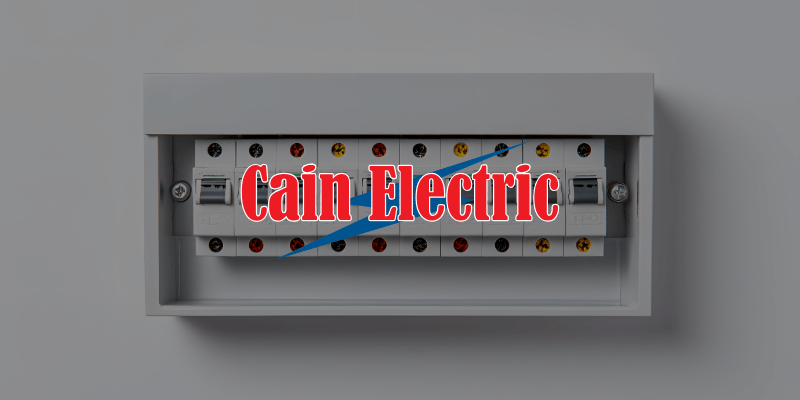
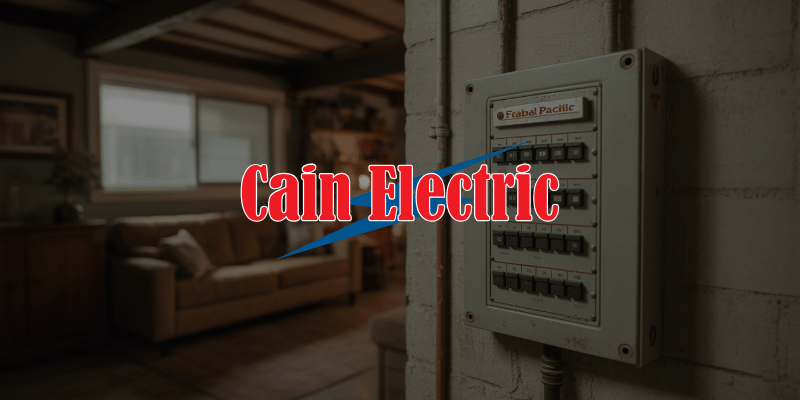
Panel Space and Capacity
Even if your panel has physical space for additional breakers, that does not guarantee capacity.
Many older homes in Franklin County still operate on 100 amp service.
If your addition includes:
- A bathroom
- Electric heating
- Built-in entertainment systems
- Large window units
- A kitchenette
The added load may push your system beyond safe limits.
In some cases, a panel upgrade or service upgrade may be recommended during the addition process.
Planning this early prevents delays later.
Lighting Design for New Spaces
Electrical planning is not just about power. It is about usability.
Additions should include:
- Adequate overhead lighting
- Task lighting where needed
- Dimmer switches for flexibility
- Exterior lighting for new entry points
Natural light does not eliminate the need for proper electrical lighting design.
Layered lighting improves comfort and reduces reliance on extension cords or temporary fixtures.
Smoke and Carbon Monoxide Requirements
When adding bedrooms or enclosed living areas, updated smoke and carbon monoxide detector placement is required.
These systems may need to be interconnected with existing detectors.
Code compliance protects both safety and insurance coverage.
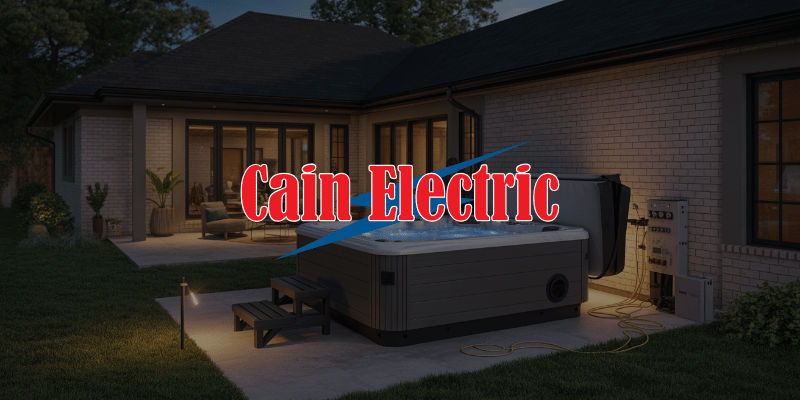
Exterior and Outdoor Electrical Considerations
If your addition includes:
- A covered patio
- A sunroom
- A new exterior entrance
- Outdoor lighting
- Exterior outlets
Weather-rated installations are required.
Missouri weather includes heavy rain, humidity, and temperature extremes.
If your home has experienced storm damage in the past, inspecting and upgrading related wiring may also be wise:
https://www.cainelectricstl.com/storm-damage-repair/
Outdoor electrical components must be installed correctly to prevent moisture-related hazards.
HVAC and Electrical Coordination
Many additions include new heating and cooling equipment.
Mini-split systems are common in home additions.
These systems require dedicated electrical circuits sized appropriately for their load.
Improper coordination between HVAC installation and electrical planning can lead to delays and inspection failures.
Avoiding Common Home Addition Electrical Mistakes
Homeowners sometimes:
- Assume existing circuits are enough
- Skip load calculations
- Avoid panel evaluation
- Delay electrical planning until framing is complete
Electrical planning should happen early in the design phase.
Correcting mistakes after drywall is installed is far more expensive.
Permits and Inspections
Home additions require electrical permits and inspections in most Missouri jurisdictions.
Permitting ensures:
- Circuits are properly sized
- Grounding and bonding meet current code
- Installations pass safety standards
- Insurance compliance remains intact
Skipping this step can create long-term complications.
Planning for Future Growth
If you are adding square footage, consider future needs as well.
You may want:
- Additional outlet capacity
- Smart home wiring
- Dedicated circuits for future appliances
- Space for future electrical expansion
Planning ahead while walls are open reduces future renovation costs.
Why Professional Evaluation Matters
Every home addition is unique.
The electrical requirements depend on:
- Size of the addition
- Intended use
- Existing service capacity
- Condition of current wiring
- Local code requirements
If you live in Pacific, Gray Summit, Union, Eureka, or nearby communities and are planning a home addition, Cain Electric can evaluate your current system and help design safe, code-compliant electrical upgrades.
Schedule a consultation here:
https://www.cainelectricstl.com/contact/
A home addition should increase comfort and value. Proper electrical planning ensures it also increases safety and reliability.