
Adding a Basement? Electrical Planning Mistakes to Avoid

Finishing a basement is one of the most popular home upgrades in Pacific, Gray Summit, Union, and throughout Franklin County.
It adds usable square footage. It increases home value. It creates space for a family room, guest bedroom, home gym, or office.
But here is what many homeowners overlook:
Basement remodels dramatically increase electrical demand.
If you do not plan the electrical work correctly from the beginning, you may end up with overloaded circuits, tripped breakers, or expensive corrections after drywall is finished.
Here are the most common electrical planning mistakes to avoid when finishing a basement in Missouri.
Mistake #1: Assuming Existing Circuits Can Handle It
One of the biggest errors homeowners make is tapping into existing circuits upstairs to power basement outlets and lights.
Older homes in Union and surrounding areas often have limited circuit capacity to begin with. Adding more outlets to those same circuits increases the load without increasing capacity.
Basements typically include:
- Multiple receptacles
- Recessed lighting
- Entertainment systems
- Mini refrigerators
- Space heaters
- Treadmills or exercise equipment
Each of these adds demand.
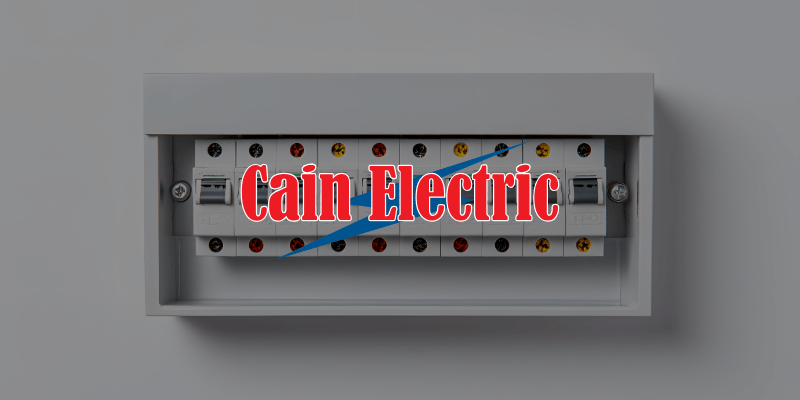
Before adding basement circuits, it is important to evaluate your current electrical system. A licensed residential electrician can determine whether your existing panel has room and capacity:
https://www.cainelectricstl.com/residential-electrician/
Mistake #2: Not Adding Enough Circuits
A finished basement should not rely on one or two general-purpose circuits.
Modern best practice includes:
- Separate lighting circuits
- Dedicated receptacle circuits
- Dedicated circuits for high-demand equipment
- GFCI protection where required
If you plan to include a wet bar, bathroom, or kitchenette, additional code requirements apply.
Installing enough circuits from the start prevents overload issues later.
Mistake #3: Forgetting About Panel Capacity
Basement projects increase total electrical load.
If your home in Gray Summit or Pacific still operates on 100 amp service, adding a finished basement may push your system near its limits.
Common basement additions include:
- Large televisions
- Surround sound systems
- Gaming setups
- Mini-split HVAC systems
- Electric fireplaces
Without evaluating overall service capacity, you risk frequent breaker trips once everything is operational.
A load calculation before construction begins can prevent expensive surprises.
Mistake #4: Poor Lighting Layout Planning
Basements often lack natural light.
Homeowners sometimes underestimate how much artificial lighting they need.
Insufficient lighting leads to:
- Dark corners
- Overloaded single circuits
- Overuse of floor lamps and extension cords
Proper planning includes layered lighting:
- Recessed ceiling lights
- Accent lighting
- Task lighting
- Dimmer controls
Thoughtful lighting design improves both usability and safety.
Mistake #5: Skipping Smoke and Carbon Monoxide Planning
Finished basements often include bedrooms or sleeping areas.
Electrical code requires proper smoke and carbon monoxide detector placement.
These detectors may need to be interconnected with existing systems upstairs.
This is not something to leave as an afterthought.
Mistake #6: Not Planning for Future Use
Basements evolve over time.
Today it may be a playroom. In five years, it could be a home office or rental space.
Consider installing:
- Extra outlet boxes
- Conduit for future wiring
- Additional circuits for expansion
- Data and internet planning
Adding these features while walls are open costs far less than retrofitting later.
Mistake #7: Ignoring Moisture Risks
Missouri basements are susceptible to humidity and occasional water intrusion.
Electrical components in basements must be:
- Properly grounded
- Protected from moisture
- Installed according to code
If your home has experienced previous storm or water damage, inspection is especially important:
https://www.cainelectricstl.com/storm-damage-repair/
Water and electricity must be managed carefully in below-grade spaces.
Mistake #8: DIY Electrical Work Without Permits
Basement remodels require permits for electrical modifications.
Unpermitted work can:
- Void insurance coverage
- Cause problems during home sale
- Create hidden safety risks
- Lead to failed inspections
Electrical work behind finished walls should be done correctly the first time.
How to Plan It the Right Way
The safest approach includes:
- Evaluating existing panel capacity
- Performing a load calculation
- Designing circuit layout before framing is complete
- Pulling proper permits
- Scheduling inspections
Planning early prevents breaker trips and electrical stress after the basement is complete.
Why Capacity Planning Matters in Franklin County Homes
Many homes in Pacific, Union, and surrounding areas were not originally designed for finished basements.
As electrical demand grows throughout the home, additions compound the load.
Ignoring that growth leads to flickering lights, overloaded circuits, and recurring issues.
Proper planning ensures your basement functions like a natural extension of your home rather than a strain on it.
If you are planning to finish a basement in Pacific, Gray Summit, Union, or nearby communities, Cain Electric can evaluate your system and help you design safe, code-compliant electrical upgrades.
Schedule a consultation here:
https://www.cainelectricstl.com/contact/
Finishing a basement adds space and value. Doing the electrical work correctly ensures it adds reliability and safety too.