Is Aluminum Wiring Dangerous? What Missouri Homeowners Need to Know About Older Homes

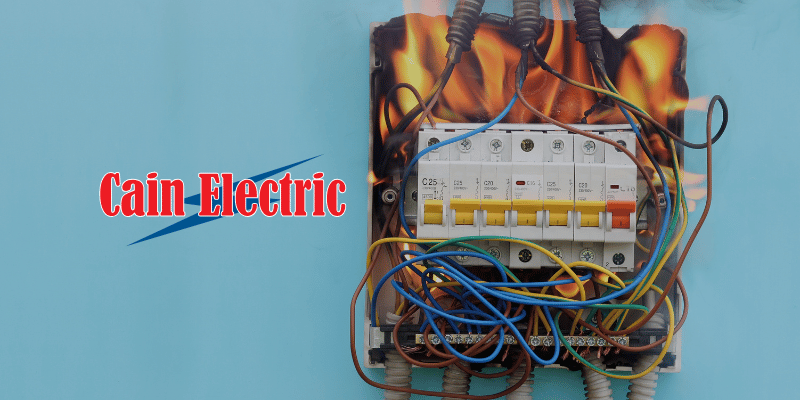
If your Missouri home was built between the mid-1960s and late 1970s, there’s a good chance it may contain aluminum wiring — and that could be a hidden fire risk you’re not aware of.
At Cain Electric, we regularly inspect and upgrade older homes in Wildwood, Eureka, Union, Pacific, and Washington. Aluminum wiring isn’t illegal, but it is a known hazard when not handled properly. In this article, we’ll explain why aluminum wiring was used, what makes it dangerous, how to identify it, and what steps you can take to make your home safer.
Why Was Aluminum Wiring Used?
In the 1960s, the price of copper rose sharply, prompting builders and manufacturers to look for a cheaper alternative. Aluminum was lighter, more affordable, and readily available — and for a time, it was approved by code for branch circuits (the wiring that runs to outlets, switches, and lights).
However, it didn’t take long for electricians and inspectors to notice that homes with aluminum branch wiring were more likely to suffer from:
- Overheated wires
- Loose connections
- Scorched outlets or switch plates
- Electrical fires
Today, we know why — and building codes now require copper or properly rated aluminum wiring with specialized connectors.
What Makes Aluminum Wiring Risky?
Aluminum isn’t inherently dangerous, but it behaves differently than copper in ways that create long-term reliability issues.
It Expands and Contracts More
Aluminum expands and contracts more than copper when it heats and cools. Over time, this movement can loosen connections at terminals, outlets, or switches — increasing the risk of arcing, overheating, and fires.
It Oxidizes Faster
Aluminum forms an oxide layer on its surface when exposed to air. This layer is non-conductive, increasing resistance at connection points and causing additional heat.
It’s Softer and More Fragile
Aluminum wire is more prone to being nicked, bent, or broken during installation or repairs — which can lead to hidden damage inside walls.
It Was Often Installed with Incompatible Devices
During the 60s and 70s, most electrical devices were designed for copper. Terminals weren’t rated for aluminum, and installers didn’t always use the correct paste, connectors, or torque settings — leading to premature failures.
How to Tell If Your Home Has Aluminum Wiring
Here’s how Missouri homeowners can check for aluminum wiring:
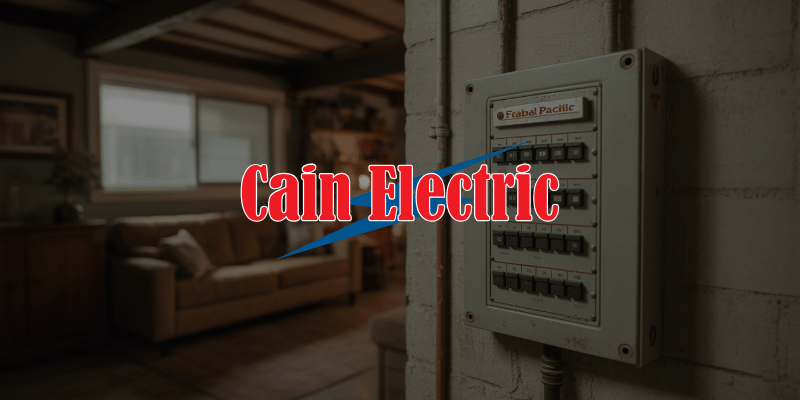
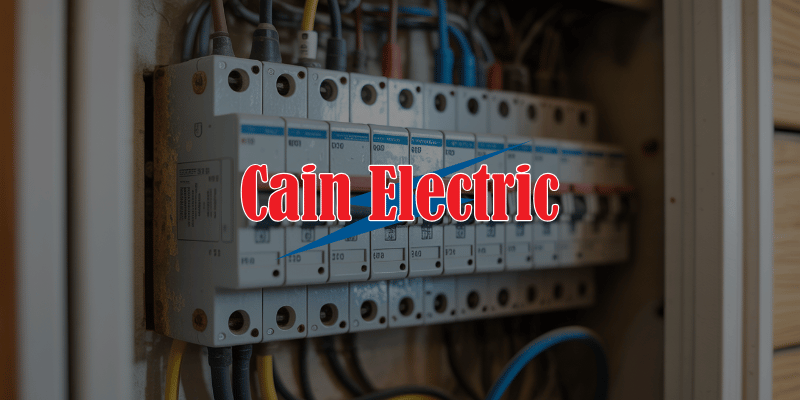
- Check your electrical panel or junction boxes for wiring marked with “AL”, “ALUMINUM,” or “AL ACM”.
- Look at visible wiring in your attic or basement (if accessible).
- Contact your local building department if you know your home was built between 1965–1975.
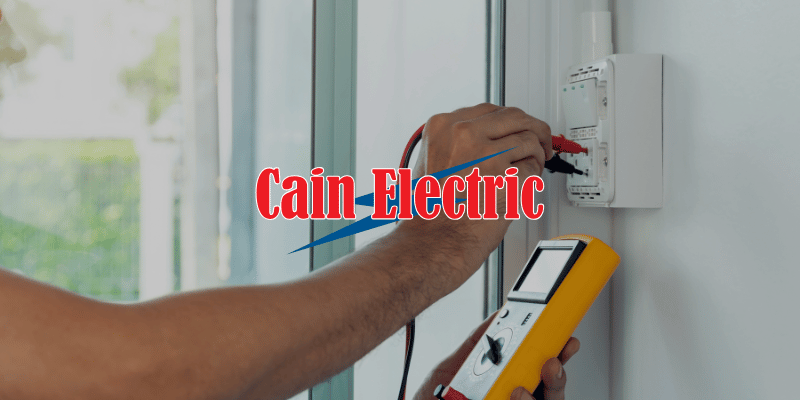
- Schedule a licensed electrician to inspect your wiring safely and confirm the type of branch circuit wiring used.
Note: Don’t open outlets or switches yourself unless you’re trained and the circuit is turned off — even a small slip could cause damage or injury.
Schedule a wiring inspection with Cain Electric.
What Are the Warning Signs?
Homes with aluminum wiring often show subtle signs before serious issues develop. Watch for:
- Flickering lights that aren’t solved by changing bulbs
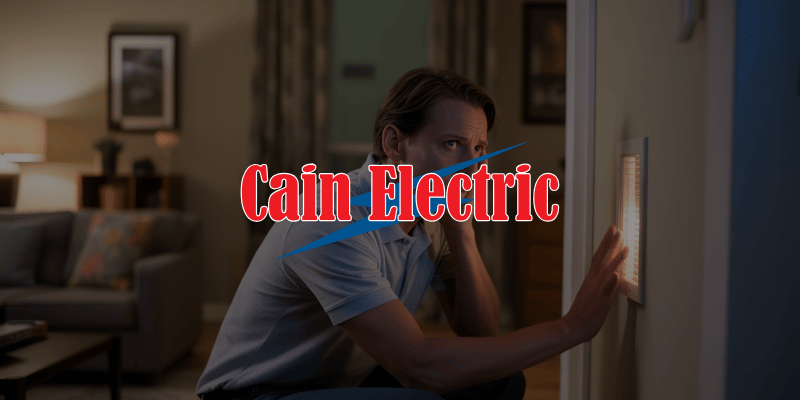
- Outlets or switches that feel warm to the touch
- Light switches or plugs that are loose or wobbly
- A faint burning smell near outlets
- Tripped breakers that reset but trip again shortly after
- Discolored outlet covers or black marks near plugs
If you see any of these symptoms, call a licensed electrician right away. Cain Electric can inspect your home and recommend safe, affordable fixes.
What Are the Solutions?
You don’t always need to rewire your entire home. In most cases, we recommend one of the following:
Option 1: Pigtailing with COPALUM or AlumiConn Connectors
This method involves connecting short copper wires (pigtails) to the ends of aluminum wires at each device, using specialized connectors approved by the U.S. Consumer Product Safety Commission.
We use only approved connectors like:
- COPALUM crimp connectors (requires special tools)
- AlumiConn lugs, which are torque-tested and code-compliant
These connectors prevent the issues caused by direct aluminum-to-device connections while avoiding the need to rewire your whole home.
Option 2: Full Rewiring with Copper
In some cases — particularly during major remodels or if the wiring is damaged — a full rewire is the best long-term solution.
We typically recommend this when:
- You’re already opening walls or ceilings
- The panel is outdated and due for replacement
- Multiple circuits show signs of overheating or damage
- You’re adding solar, generators, or major new appliances
Cain Electric offers copper rewiring services and panel upgrades that meet modern Missouri codes.
What Does the NEC Say?
The National Electrical Code (NEC) does not ban aluminum wiring, but it requires:
- Proper connectors rated for aluminum
- Devices labeled CO/ALR (Copper-Aluminum Rated)
- Approved anti-oxidant paste at connection points
- Proper torque and mechanical security
Insurance companies may still raise premiums or deny coverage on homes with aluminum wiring unless corrective action has been taken. An inspection report from a licensed electrician like Cain Electric can help support your case during real estate transactions or policy reviews.
Aluminum Wiring and Home Insurance in Missouri
Some insurance providers consider aluminum wiring a liability, particularly if it's unmodified or showing signs of degradation. Before issuing or renewing a policy, insurers may ask:
- Has the wiring been pigtailed or upgraded to copper?
- Were repairs made by a licensed electrician?
- Are you able to provide inspection documentation?
Cain Electric can perform a full inspection, issue a written report, and provide verification for insurance or real estate documentation.
How Cain Electric Helps
We’ve helped homeowners throughout Wildwood, Eureka, Washington, Union, and Pacific solve aluminum wiring issues safely and affordably. Our services include:
- Full home wiring inspections
- Safe aluminum-to-copper pigtailing with approved connectors
- Copper rewiring during remodels or panel upgrades
- AFCI breaker installation to protect older wiring
- Panel replacements for outdated or overloaded systems
- Inspection reports for home sales or insurance reviews
Whether you’re buying a home, planning a renovation, or just want peace of mind, we’ll make sure your wiring is safe, compliant, and built to last.